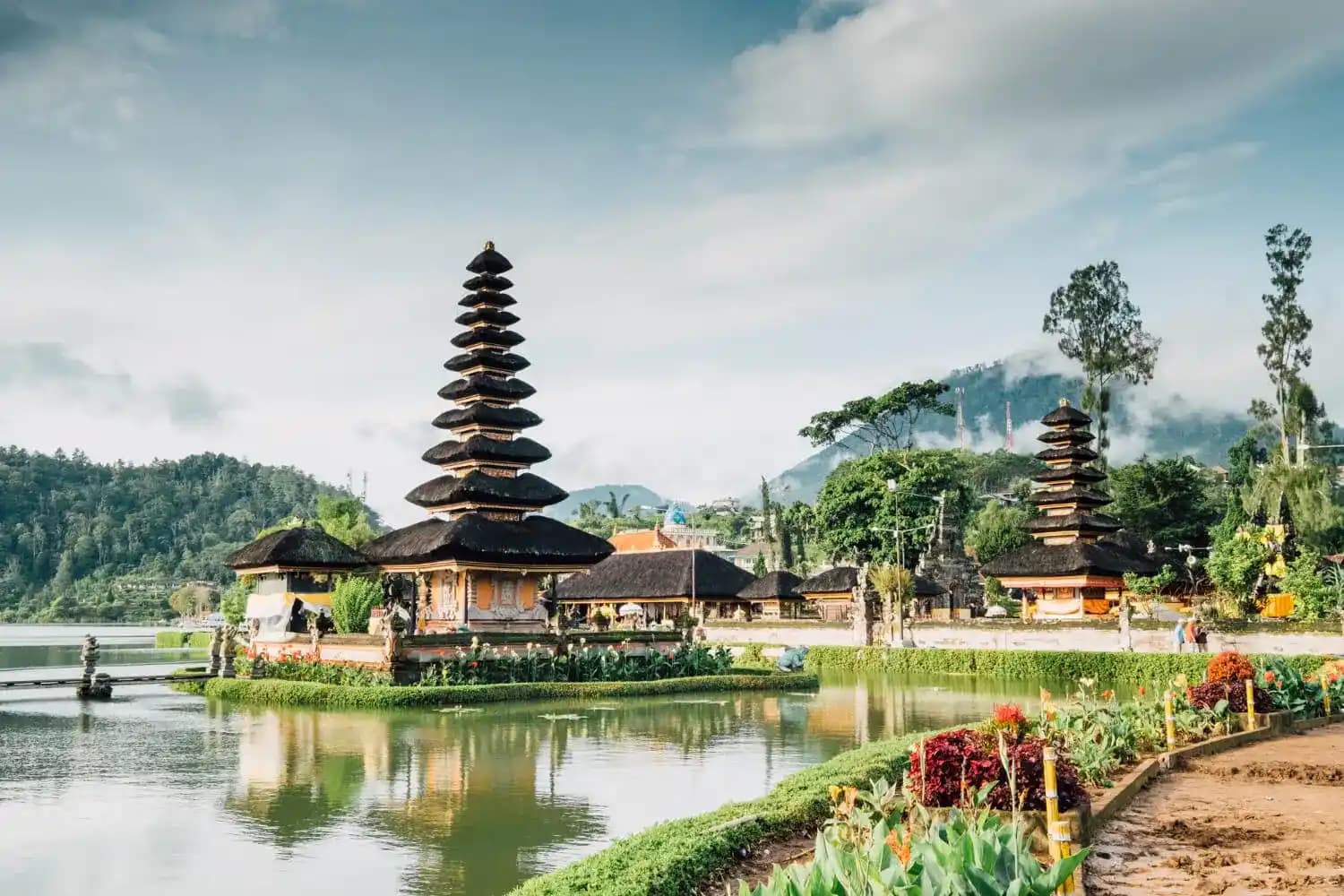

Explore Shirakawa-go - Japan Travel, Asia
Tucked away in the mountains of Gifu Prefecture, Shirakawa-go feels like a scene from an old Japanese folktale. This UNESCO World Heritage Site is famous for its gassho-zukuri farmhouses, wooden homes with steep thatched roofs designed to withstand heavy winter snow. Here, each season paints the village in new colors: spring blossoms, green summer paddies, golden autumn leaves, and glistening winter snow.
Population: Approximately 60,000 in 2020.
Economy: Shirakawa-go’s economy blends heritage preservation with sustainable tourism. While agriculture, especially rice farming, remains part of local life, tourism is now the main economic driver.
Landmarks: Famous for Ogimachi Village, Wada House, and Shiroyama Viewpoint.

Overview of Shirakawa-go
History & Cultural Influence
Shirakawa-go’s history stretches back hundreds of years, shaped by its isolated location in the Shogunate period. The villagers developed gassho-zukuri architecture, meaning “hands in prayer,” for its resemblance to palms pressed together. For generations, life here revolved around communal farming, silk production, and mulberry cultivation. Even today, many traditions remain intact, preserved through meticulous care and strong community ties. In 1995, Shirakawa-go, along with nearby Gokayama, earned UNESCO recognition for its cultural and architectural heritage, ensuring these mountain hamlets continue to tell their story to the world.
Interaction with the Locals
Many families at Shirakawa-go open their gassho-zukuri houses as minshuku (family-run inns), where guests sleep on tatami mats, share home-cooked meals, and hear stories passed down for generations. You can join locals in craft workshops like washi paper making, weaving, or seasonal farm activities. These encounters reveal the hospitality built on warmth, humility, and quiet pride in the tradition of rural Japan. Even a simple exchange over a cup of green tea can turn into a cherished memory.

Top Attractions in Shirakawa-go
- Ogimachi Village: The heart of Shirakawa-go, Ogimachi Village is a living museum of gassho-zukuri houses, some over 250 years old. Stroll past rice fields, quaint gardens, and wooden bridges while taking in the peaceful mountain air. Many homes double as museums, offering a glimpse into rural life from centuries past.
- Wada House: As the largest gassho-zukuri farmhouse in Ogimachi, Wada House stands as a proud reminder of the village’s prosperity during the silk trade era. Visitors can explore its preserved interiors with tatami rooms, wooden beams, and the attic once used for sericulture.
- Shiroyama Viewpoint: For that postcard-perfect shot, climb to Shiroyama Viewpoint. From here, the panoramic view of the village against a backdrop of mountains is unforgettable, especially during winter’s snow blanket or autumn’s crimson foliage.
- Myōzen-ji Temple: Unique among Buddhist temples, Myōzen-ji has a gassho-zukuri-style main hall. The temple grounds are serene, dotted with mossy stones, wooden gates, and seasonal flowers, ideal for a quiet moment of reflection.

Must-Try Dishes in Shirakawa-go
- Hoba Miso: Hoba Miso blends miso paste with green onions, mushrooms, and sometimes minced meat, grilled on a dried magnolia leaf over a charcoal flame. The smoky aroma and deep umami flavor make it a comforting countryside meal.
- Gohei Mochi: This traditional snack features pounded rice shaped into flat ovals, skewered, and coated with a sweet miso or walnut sauce before being grilled. Gohei Mochi is soft, nutty, and slightly smoky, perfect for a quick bite while exploring.
- Hida Beef: Renowned for its delicate marbling, Hida Beef is one of Japan’s finest wagyu varieties. Enjoy it seared on a hot plate, grilled as yakiniku, or simmered in sukiyaki during colder months. Its buttery texture melts in your mouth.
- Sansai Dishes (Mountain Vegetables): In spring, the region bursts with fresh sansai such as warabi (bracken), fuki (butterbur), and kogomi (ostrich fern). These wild vegetables are often served as tempura, pickled, or in miso soup, bringing a taste of the mountains to your table.
- Ayu (Sweetfish): Caught from the nearby rivers, Ayu is salt-grilled and served whole, its mild flavor enhanced by the crisp skin and tender flesh. It’s a summertime delicacy.
- Kei-chan Chicken: A hearty local dish, Kei-chan features chicken marinated in miso, soy sauce, or garlic-based sauces, then stir-fried with cabbage and onions. It’s flavorful, rustic, and best enjoyed hot off the pan.
- Hoba Sushi: Unique to this region, Hoba Sushi is pressed sushi wrapped in magnolia leaves. The leaves infuse a subtle aroma, keeping the fish fresh and adding a distinctive twist to the classic Japanese dish.
- Mitarashi Dango: A sweet treat of skewered rice dumplings glazed with soy-based syrup. Mitarashi Dango is chewy, lightly sweet, and often sold at small teahouses in the village.

Festivals & Local Celebrations
Doburoku Festival
Held every October, the Doburoku Festival celebrates the harvest and pays homage to the village’s guardian deities. The highlight is the offering of doburoku, a thick, unrefined sake brewed locally. Visitors can watch traditional lion dances, listen to folk music, and taste the freshly brewed sake.
Shirakawa-go Winter Light-Up
On select nights in January and February, the Shirakawa-go Winter Light-Up transforms the snow-covered village into a glowing wonderland. The gassho-zukuri houses, blanketed in white, are illuminated against the dark mountain backdrop, creating one of Japan’s most magical winter scenes. This event draws photographers and travelers from around the world.

What to Do in Shirakawa-go
- Walking Tours: The best way to discover Shirakawa-go is on foot. Wander through winding lanes lined with gassho-zukuri houses, rice paddies, and wooden bridges. Guided tours offer deeper insights into the village’s history, architecture, and folklore.
- Photography: Each season offers a unique canvas, snow-capped rooftops in winter, pink cherry blossoms in spring, lush green fields in summer, and fiery foliage in autumn. The Shiroyama Viewpoint is perfect for wide village panoramas, while narrow alleys provide intimate close-up shots.
- Cycling & Hiking: In warmer months, rent a bicycle to explore beyond Ogimachi Village or follow gentle hiking trails to nearby hamlets. The surrounding mountains reveal scenic vistas, waterfalls, and hidden shrines.
- Cultural Workshops: Participate in hands-on experiences such as washi paper making, weaving, pottery, and local cooking classes. These activities deepen your connection to the village’s traditions.
Shopping in Shirakawa-go
- Local Crafts: Shirakawa-go is known for its handmade washi paper, pottery, and wooden carvings. These crafts reflect the skill and patience of local artisans.
- Unique Souvenirs: Popular mementos include miniature gassho-zukuri house models, doburoku sake bottles, and woven straw ornaments. Many are made by hand, making each piece unique.
- Regional Food Products: Bring home regional flavors such as miso paste, pickled vegetables, sansai (mountain vegetables), and locally milled rice. Specialty sweets like mitarashi dango and gohei mochi are also available packaged for travel.

Weather in Shirakawa-go: Best Time to Visit
Spring (March – May)
Cherry blossoms bloom from mid- to late April, marking a shift to milder weather. Average temperatures range from 2°C to 18°C (36°F to 64°F). Melting snow reveals green fields, making it a perfect season for walking tours and photography.
Summer (June – August)
Lush rice paddies and cool mountain breezes define summer here. Average temperatures range from 17°C to 28°C (63°F to 82°F). While generally cooler than much of Japan, expect occasional rain showers during the June rainy season.
Autumn September – November)
Autumn transforms the village into vibrant shades of red, orange, and gold. Average temperatures range from 5°C to 21°C (41°F to 70°F). Crisp air and clear skies make this the ideal time for hiking and outdoor activities.
Winter (December – February)
Shirakawa-go is renowned for its heavy snowfall, often exceeding two meters. Average temperatures range from -5°C to 3°C (23°F to 37°F). The gassho-zukuri houses look magical under a thick layer of snow, especially during the Winter Light-Up events. Warm clothing, gloves, and sturdy snow boots are essential.

Essential Travel Information
Getting Around Shirakawa-go
- By Car: Driving offers flexibility, but winter roads can be icy and hazardous. Parking is available at designated lots located outside the village, with shuttle buses providing transportation to the center.
- Within the Village: Shirakawa-go is best explored on foot. Walking paths connect all major attractions, and cycling is available in warmer months. During winter, expect snow-packed routes, so wear sturdy boots.
- Travel Tips For First-Time Travellers: Public transport is reliable but can be limited in frequency, especially in the evening. Plan return trips in advance. In peak seasons and during the Winter Light-Up, buses may require reservations in advance.
ATM & Banking Services
Shirakawa-go has very few ATMs, and not all accept international cards. The main option is at the local post office, which often supports foreign-issued debit and credit cards. Many guesthouses, small restaurants, and shops operate on a cash-only basis. It’s best to withdraw enough yen before arriving, especially if you plan to stay overnight or shop for local crafts. Full-service banking facilities are located in nearby towns such as Takayama and Hakusan. Travelers should handle major currency exchanges before visiting.
Where to Stay in Shirakawa-go
- Gassho-Zukuri Minshuku: For the most authentic stay, book a minshuku inside a gassho-zukuri farmhouse. These family-run inns offer tatami mat rooms, futon bedding, and home-cooked meals, giving you a taste of rural life.
- Ryokan: Some ryokan blend traditional design with modern comforts, often including onsen baths, multi-course kaiseki dinners, and scenic mountain views.
- Guesthouses & Budget Stays: For travelers on a budget, guesthouses and dorm-style lodgings offer simple facilities and shared common areas, perfect for meeting other visitors.
Day Trips vs. Overnight
While many visitors come on day trips, staying overnight lets you experience the quiet, lantern-lit village after the tour buses leave, as well as early morning views before the crowds arrive.
Articles for you

Explore Fuji-Shi - Japan Travel, Asia
Fuji-shi, or Fuji City, is a vibrant gateway to Japan’s most iconic peak, Mount Fuji. Located in Shizuoka Prefecture, this coastal city blends scenic beauty with rich traditions. From its bustling streets to the peaceful banks of the Fuji River, every corner offers a postcard-worthy view of the mountain. Just an hour from Tokyo by train, Fuji-shi is ideal for travelers seeking authentic Japanese city life with nature close at hand.
Population: Approximately 245,000 in 2019.
Economy: Fuji-shi is a major hub in Shizuoka Prefecture’s manufacturing sector, known for its paper and pulp production. The city also benefits from the logistics and transport industries due to its location along the Tōkaidō corridor.. Fishing at Tagonoura Port, tea production in nearby plantations, and tourism linked to Mount Fuji further diversify the local economy.
Landmarks: Famous for Mount Fuji viewing points, Fujisan Hongu Sengen Taisha Shrine, and Tanuki Lake.

Explore Fukushima - Japan Travel, Asia
Nestled in Japan's scenic Tohoku region, Fukushima offers travelers a unique blend of historical charm, cultural richness, and natural beauty. Known for its stunning landscapes and welcoming communities, Fukushima is an excellent destination for those seeking an authentic Japanese experience beyond the bustling metropolises. Renowned for its diverse attractions, from ancient castles and hot springs to vibrant festivals and picturesque countryside, Fukushima offers a great opportunity for cultural and historical exploration for anyone who loves Japanese culture.
Population: Approximately 1.8 million in 2023.
Economy: Specializing in the seafood and fishing industries, Fukushima, with its historical impacts, now continues to thrive as one of the most developed and largest economies in Japan.
Landmarks: Famous for Aizu-Wakamatsu Castle, Fukushima City Historical Museum, and Ouchi-juku.

Explore Itsukushima (Miyajima) - Japan Travel, Asia
Floating gently in the tranquil waters of the Seto Inland Sea, Miyajima, officially known as Itsukushima, is one of Japan’s most treasured islands. Just a short ferry ride from Hiroshima, this peaceful destination draws travelers with its spiritual energy, ancient shrines, and wild-yet-gentle sacred deer that roam freely. Renowned for the iconic floating Torii gate of Itsukushima Shrine, Miyajima blends centuries of Shinto belief, Buddhist tradition, and natural beauty into one unforgettable journey.
Population: Approximately 1,500 in 2019.
Economy: Miyajima’s economy is deeply rooted in tourism. Visitors fuel local businesses such as traditional inns (ryokan), souvenir shops, street food vendors, and ferry services.
Landmarks: Famous for Itsukushima Shrine and the Floating Torii Gate, Mount Misen, and the Daisho-in Temple.

Explore Mashiko - Japan Travel, Asia
Hide away in the gentle hills of Tochigi Prefecture, Mashiko is more than a stop on a map, it’s a living gallery of clay, craft, and community. Known worldwide for its Mashiko-yaki pottery, this charming rural town draws travelers seeking hands-on creativity and a slower pace of life. Here, kiln smoke curls into blue skies, and artisan shops spill treasures onto narrow streets. Only a few hours from Tokyo, Mashiko offers the perfect escape for lovers of traditional Japanese culture, authentic local food, and countryside landscapes.
Population: Approximately 22,000 in 2020.
Economy: Mashiko’s economy thrives on its renowned pottery industry, attracting both domestic and international buyers. Tourism plays a vital role, fueled by pottery fairs, local crafts, and cultural events.
Landmarks: Famous for the Mashiko Pottery Museum, Pottery Street, and the Saimyoji Temple.


Our Best-Selling Tours
Follow Us