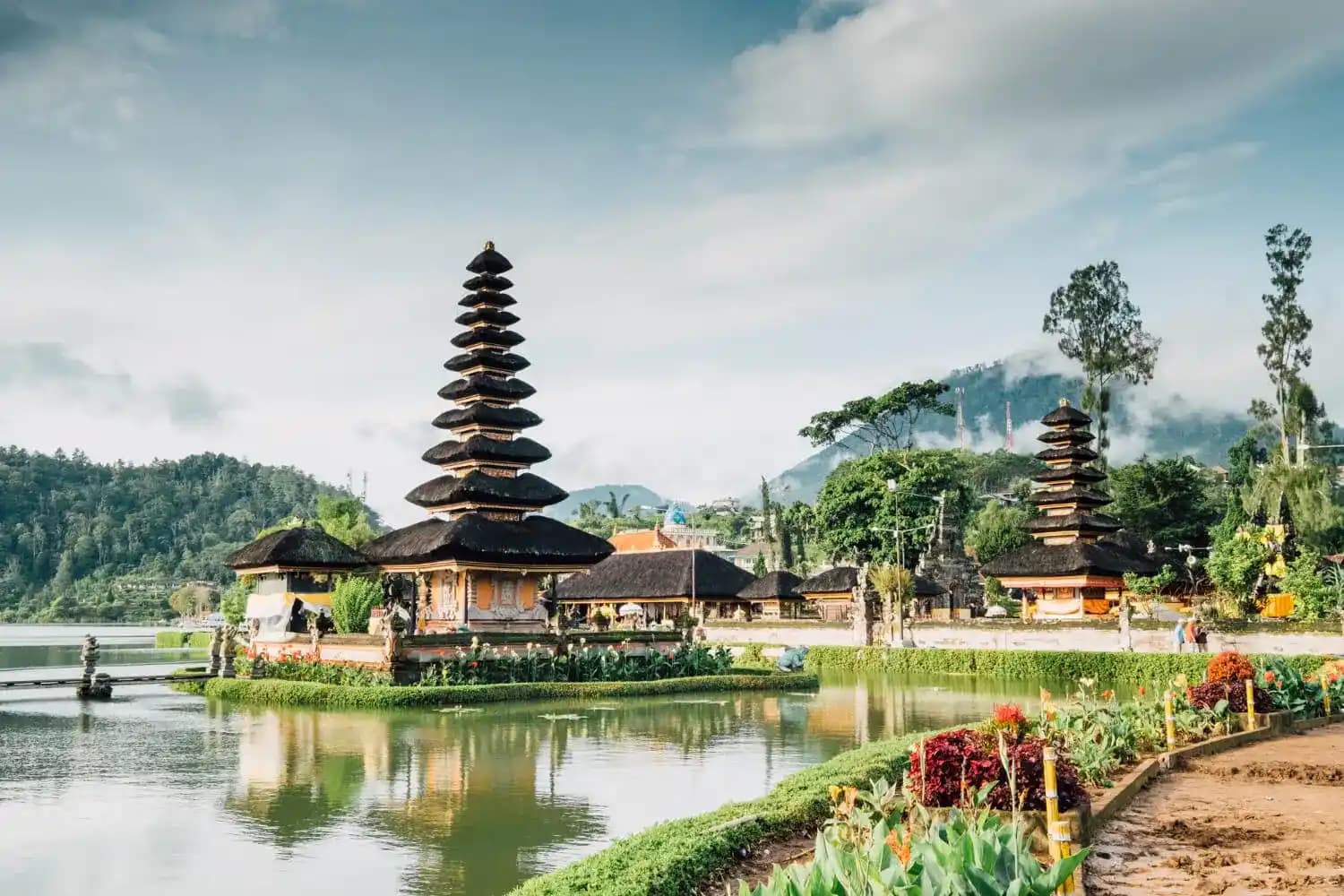

Explore Yongin - South Korea Travel, Asia
Yongin, a vibrant city located in Gyeonggi Province, South Korea, is a fascinating blend of historical significance, modern attractions, and cultural richness. Yongin's strategic location allows for easy commuting to downtown Seoul, with travel times averaging 30–40 minutes by car or via the efficient public transportation system, including the Bundang Line subway. The city is characterized by its multi-nuclear structure, featuring urban centers like Suji-gu and Giheung-gu, which contribute to its vibrant atmosphere. Yongin has rapidly developed into a major urban center while retaining its unique identity. Yongin's history dates back to the Three Kingdoms period when it was part of the Baekje Kingdom (BC 18 - AD 660). Over the centuries, the region saw various dynasties, including Goguryeo and Silla, shaping its cultural landscape.
Population: Approximately 1,100,000 in 2021.
Economy: Yongin's economy is diverse and robust, driven by its strategic location and the presence of major industries. The city is home to several large corporations, including Samsung and LG, which have established manufacturing and research facilities in the area. Additionally, Yongin is known for its thriving tourism sector, thanks to attractions.
Landmarks: Korean Folk Village, Wawoojeongsa Temple, Jukjeon Cafe Street, Everland, Nam June Paik Art Center, Yongin StadiumYongin Citizen Sports Park, Dae Jang Geum Park (MBC Dramia)

Overview of Yongin
History & Cultural Influence
The city’s origins can be traced back to the Three Kingdoms period, when it was part of the Baekje Kingdom. The city is renowned for its amusement parks, including Everland, the largest in South Korea, and the traditional Korean Folk Village, which offers a glimpse into the country’s rich heritage. Throughout the centuries, Yongin has been influenced by various dynasties, including Goguryeo and Silla, and played a crucial role during the Joseon Dynasty as a transportation hub along the Yeongnam-daero road. Despite its rapid urbanization, Yongin has maintained its commitment to preserving green spaces and cultural rites, ensuring that the city's rich history remains alive. The city's transformation into a hub for education and technology, with numerous universities and research institutes, highlights its dynamic character.
Interaction with The Locals
The general attitude of Yongin's residents towards tourists is friendly and hospitable. Many locals take pride in their city's attractions, such as Everland and the Korean Folk Village, and are often eager to share their knowledge and experiences with visitors. While English proficiency may vary, younger generations and those working in the tourism sector are typically more comfortable communicating in English, making interactions smoother for international travelers.

Top Attractions in Yongin
Everland
As South Korea's largest and most popular amusement park, Everland promises excitement for visitors of all ages. From heart-pounding roller coasters to family-friendly rides, there's something for everyone. The park hosts vibrant seasonal festivals, including breathtaking flower displays in the spring and thrilling Halloween events in the fall. Beyond the rides, visitors can enjoy beautifully landscaped gardens and animal exhibits, including a safari experience. Everland is the perfect destination for families, adventure seekers, and anyone looking for a day packed with fun.
Korean Folk Village
Step back in time at the Korean Folk Village, an open-air museum that immerses visitors in the life and culture of the Joseon Dynasty. With over 300 meticulously restored houses, visitors can explore traditional Korean architecture and watch cultural performances such as folk dances and tightrope walking. The village also offers hands-on activities like pottery-making and traditional craft demonstrations. Seasonal festivals add an extra layer of vibrancy, making this a rich cultural experience for history enthusiasts and curious travelers alike.
Wawoojeongsa Temple
Nestled in the quiet embrace of nature, Wawoojeongsa Temple is a serene retreat known for its awe-inspiring lying Buddha statue, one of the largest in the world. The temple’s striking architecture harmonizes with the surrounding natural beauty, offering a peaceful atmosphere for reflection. Visitors can explore walking trails that wind through the picturesque landscape, making this an ideal destination for those seeking spiritual solace or simply a tranquil day out in nature.
Hoam Art Museum
For art lovers, the Hoam Art Museum is a hidden gem showcasing Korea’s rich artistic heritage. Set amid beautifully landscaped gardens, the museum’s collection includes traditional Korean ceramics, paintings, and calligraphy, as well as rotating exhibitions that offer something new with every visit. Visitors can enjoy a peaceful walk through the garden while appreciating Korea’s artistic legacy. It's a cultural haven for those interested in both art and nature.
Cheonggyesan Mountain
For those who crave nature, Cheonggyesan Mountain offers scenic hiking trails and breathtaking views of the surrounding landscape. With diverse flora and fauna, the mountain is a popular spot for outdoor enthusiasts seeking an escape from city life. Whether you're looking for a leisurely hike or a more challenging trail, Cheonggyesan provides a peaceful setting for a day of exploration and relaxation in nature.

Must-Try Dishes in Yongin
Yongin, a city in South Korea, is not only rich in culture and history but also boasts a vibrant culinary scene that offers unique flavors and dishes. Here are some must-try dishes and local specialties that highlight Yongin's culinary diversity:
- Yukhoe (Korean Beef Tartare): Yukhoe is a traditional Korean dish of seasoned raw beef, often mixed with pear, a raw egg yolk, and various seasonings such as sesame oil, soy sauce, and garlic. The beef used is typically tender and lean, carefully prepared to ensure freshness and quality. This dish is a testament to the Korean love for fresh, high-quality ingredients and showcases the traditional Korean way of seasoning and enjoying meat.
- Makguksu (Buckwheat Noodles): Makguksu is a cold noodle dish made from buckwheat, typically served with a tangy chilled broth or a spicy dressing. It is often garnished with sliced cucumber, pear, boiled egg, and sometimes kimchi. Especially popular during the hot summer months, makguksu is known for its refreshing and light taste. It's a regional specialty in areas of Korea with a tradition of cultivating buckwheat.
- Samgyeopsal (Grilled Pork Belly): Samgyeopsal consists of thick, fatty slices of pork belly meat that are not marinated or seasoned before being cooked on a grill at the diner's table. The meat is typically dipped in a seasoning made of salt and pepper mixed in sesame oil, and wrapped in lettuce along with garlic, chili, and other sides. This dish is a beloved Korean barbecue option, reflective of the communal and interactive aspect of Korean dining.
- Kalguksu (Knife-Cut Noodle Soup): Kalguksu is a noodle soup with handmade, knife-cut wheat flour noodles served in a large bowl with broth and other ingredients like vegetables, seafood, or chicken. The dish highlights the Korean expertise in noodle making and offers a comforting, hearty meal that is particularly favored during the cooler months.
- Sundubu-jjigae (Soft Tofu Stew): This is a hot and spicy stew that contains freshly curdled soft tofu, vegetables, mushrooms, onion, optional seafood (like oysters, mussels, and clams), and gochujang (chili paste) or gochu garu (chili powder). The stew is often served in a stone pot with raw egg added just before serving. Sundubu-jjigae is celebrated for its rich, distinct flavors and is a staple in Korean home cooking.

Festivals & Local Celebrations
- Yongin Folk Culture Festival: Held in the fall, this festival takes place at the Korean Folk Village. It includes performances of traditional Korean music and dance, folk games, and hands-on experiences with traditional crafts. It’s a deep dive into Korea’s rich cultural history and a fun, educational event for all ages.
- Everland Tulip Festival: Every spring, Everland Resort transforms into a spectacular garden with its Tulip Festival. Featuring more than a million tulips of various kinds, it’s a celebration of spring’s arrival with beautiful flower sculptures, photo zones, and themed parades.
- Yongin International Dance Festival: This festival occurs in late spring and showcases a blend of traditional and contemporary dance performances by artists from around the world. It’s a vibrant, energetic event that highlights the universal language of dance and promotes cultural exchange.
- Baekam Art Festival: Taking place in summer, this arts festival in the Baekam Hot Springs area includes a range of performances, from musical acts and live concerts to art exhibitions. It’s an opportunity to enjoy Yongin’s natural beauty alongside creative and artistic expressions.
- Yongin Korean Music Festival: Hosted annually, this event celebrates traditional Korean music with performances from renowned national musicians. It typically includes genres like pansori (a traditional musical storytelling performance), samulnori (percussion music), and more, providing a rich auditory feast.
- Yongin Great Battle Festival: Commemorating the historical battles that occurred in the region, this autumn festival features reenactments, military parades, and cultural events that bring history to life. It’s both educational and entertaining, offering insights into Korea’s historical military strategies and costumes.

Festivals & Local Celebrations
- Yongin Folk Culture Festival: Held in the fall, this festival takes place at the Korean Folk Village. It includes performances of traditional Korean music and dance, folk games, and hands-on experiences with traditional crafts. It’s a deep dive into Korea’s rich cultural history and a fun, educational event for all ages.
- Everland Tulip Festival: Every spring, Everland Resort transforms into a spectacular garden with its Tulip Festival. Featuring more than a million tulips of various kinds, it’s a celebration of spring’s arrival with beautiful flower sculptures, photo zones, and themed parades.
- Yongin International Dance Festival: This festival occurs in late spring and showcases a blend of traditional and contemporary dance performances by artists from around the world. It’s a vibrant, energetic event that highlights the universal language of dance and promotes cultural exchange.
- Baekam Art Festival: Taking place in summer, this arts festival in the Baekam Hot Springs area includes a range of performances, from musical acts and live concerts to art exhibitions. It’s an opportunity to enjoy Yongin’s natural beauty alongside creative and artistic expressions.
- Yongin Korean Music Festival: Hosted annually, this event celebrates traditional Korean music with performances from renowned national musicians. It typically includes genres like pansori (a traditional musical storytelling performance), samulnori (percussion music), and more, providing a rich auditory feast.
- Yongin Great Battle Festival: Commemorating the historical battles that occurred in the region, this autumn festival features reenactments, military parades, and cultural events that bring history to life. It’s both educational and entertaining, offering insights into Korea’s historical military strategies and costumes.

Shopping in Yongin
- Korean Folk Village Souvenir Shops: For authentic Korean crafts and unique souvenirs, the shops inside the Korean Folk Village are a must-visit. They offer everything from traditional Korean clothing, such as hanbok, to handcrafted pottery and jewelry. These items not only serve as great mementos but also provide a tangible connection to Korean culture and history.
- Bojeong-dong Café Street: While primarily known for its vibrant café culture, Bojeong-dong Café Street also features an array of boutique shops selling handmade accessories and local crafts. It's a great place to browse unique and quirky items while enjoying a relaxing day out in one of Yongin’s most charming neighborhoods.
- Yongin Agricultural Products Market (Yongin Nonghyup Hanaro Mart): For local food products, this market offers a wide range of items including freshly picked fruits, vegetables, and regional specialties like Korean rice cakes and seasoned seaweeds. It’s an ideal spot for food lovers looking to explore local flavors or buy authentic Korean ingredients to take home.
- Shinsegae Department Store in Yongin: This major department store hosts a variety of international and Korean brands. For those looking for high-quality clothing, cosmetics, and electronics, Shinsegae provides a comprehensive shopping experience with the convenience of having everything under one roof.
- Everland's Gift Shops: Located within Everland Resort, these shops specialize in fun and whimsical souvenirs themed around the park's attractions and characters. From plush toys and apparel to unique gadgets and local snacks, these shops offer a wide selection of gifts that are perfect for young visitors or the young at heart.

Weather in Yongin: Best Time to Visit
Yongin experiences a temperate climate with four distinct seasons, each offering its own unique charm and considerations for travelers. Here’s a detailed overview of the weather and climate in Yongin to help you plan your visit:
Average Temperatures
- Spring (March to May): The temperatures in spring are pleasant, ranging from 5°C (41°F) in early March to around 20°C (68°F) by May. This season sees the city blooming with flowers, making it a beautiful time for outdoor activities.
- Summer (June to August): Summer in Yongin is warm and humid, with average temperatures ranging from 20°C (68°F) to 30°C (86°F). July and August can be particularly hot and muggy.
- Autumn (September to November): Fall is often considered the best time to visit Yongin due to its mild weather and spectacular autumn foliage. Temperatures range from 15°C (59°F) in September to around 5°C (41°F) by late November.
- Winter (December to February): Winters are cold and dry, with temperatures often dropping below freezing. January is typically the coldest month, with average lows around -5°C (23°F) and highs just above freezing.
Best Time to Visit
- Autumn (September to November) is highly recommended due to comfortable temperatures and the stunning visual display of fall colors. The weather is conducive for hiking, sightseeing, and participating in outdoor festivals.
- Spring (March to May) is also an excellent time to visit, especially for those interested in spring blossoms such as cherry and apricot flowers. The weather is generally mild, although it can be a bit chilly in early March.

Essential Travel Information
Getting Around Yongin
- Buses: Yongin boasts an extensive network of local and regional buses that connect all major districts and attractions. The buses are affordable and fairly punctual, with bus stops featuring electronic boards displaying real-time information.
- Subway: Part of the Seoul Metropolitan Subway, the Yongin EverLine is a light metro line that connects to the Seoul subway system at Giheung Station. This line is particularly useful for reaching Everland Resort and other local areas.
- Taxis: Taxis in Yongin are readily available and reasonably priced. They can be hailed directly from the street, booked via phone, or through apps. Both standard and deluxe (black) taxis are available, with the latter offering a more comfortable ride at a higher fare.
- Ride-Sharing Services: Services like Kakao T provide convenient alternatives to traditional taxis and are often preferred for their ease of use and transparent pricing. These apps are user-friendly and offer services ranging from budget to premium cars.
- Car Rentals: Renting a car can be a practical option for those planning to travel around Yongin extensively or visit rural areas. Several car rental agencies operate at both Incheon and Gimpo airports, as well as within Yongin.
- Bicycles: Yongin is increasingly promoting cycling as an eco-friendly way to explore the city. Dedicated bicycle lanes and rental services are available, particularly around major parks and tourist areas.
ATM & Banking Services
- Widespread Availability: ATMs are abundantly available throughout Yongin, especially in high-traffic areas like shopping centers, transportation hubs, and near tourist attractions.
- International Compatibility: Many ATMs in Yongin support international cards, particularly those operated by major banks like KB Kookmin Bank, Shinhan Bank, and Hana Bank. Look for ATMs marked with global network logos like Visa, MasterCard, or Cirrus to ensure compatibility.
- 24/7 Access: While most bank ATMs operate during business hours, ATMs in convenience stores such as GS25, CU, and 7-Eleven are available 24/7, offering both cash withdrawal and foreign card services.
Where to Stay in Yongin
- Family-Friendly Stays: Yongin is home to popular attractions like Everland and Caribbean Bay, making it a great tourist destination for families. Many accommodations near these attractions are designed with families in mind, offering spacious rooms, play areas, and easy access to the theme parks. These family-friendly stays often provide additional amenities like shuttle services to the parks, ensuring a stress-free and enjoyable experience for parents and kids alike.
- Business and Conference Hotels: Yongin is not only a tourist destination but also a business hub for its location closes to Yongin’s industrial complexes. Many business-friendly hotels in the city offer modern amenities such as conference rooms, high-speed internet, and business centers.
- Luxury Stays: If you’re looking for a more indulgent experience, Yongin offers luxury accommodations that provide top-tier services and amenities. These high-end stays often include spa facilities, fine dining options, and stunning views of the surrounding nature.
Articles for you

Explore Pohang: Top South Korea Travel Destinations
Pohang is a major industrial city located on the east coast of South Korea in North Gyeongsang Province, approximately 110 km (70 mi) north of Busan and 360 km (230 mi) southeast of Seoul. Renowned for its steel production, primarily through POSCO, one of the world's largest steel companies, Pohang also offers stunning coastal landscapes, including Yeongildae Beach and the iconic Homigot Sunrise Square, home to the "Hands of Harmony" sculptures symbolizing peace and hope. Travelers are drawn to the city's vibrant seafood culture, best experienced at the bustling Jukdo Fish Market. Additionally, Pohang hosts the annual Steel Art Festival, celebrating the city's unique blend of art and industry, making it a captivating destination for both cultural and natural attractions.
Looking for an unforgettable journey through South Korea? Explore our premium tours here and start planning your adventure
Population: Estimate 500,000 people (as of 2024)
Economy: Pohang is primarily known for its steel industry, with POSCO (Pohang Steel Company) being one of the largest steel producers globally, contributing to both local and national economic growth. The city's economy also includes food, textile, and metal industries, alongside a robust fishing sector due to its proximity to the Sea of Japan. Agricultural products such as grapes, persimmons, and garlic chives are also cultivated in the region.
Landmarks: Hwanho Park Space Walk, Jukdo Fish Market, Hwanho Sunrise Park, Yeongildae Beach, Yeongildae Maritime Pavilion (Floating Pavilion), POSCO Art Museum, Homigot Sunrise Square

Explore Namhae: Top South Korea Travel Destinations
Namhae is an island county located in the South Gyeongsang Province of South Korea. Situated off the southern coast of the Korean Peninsula, approximately 60 kilometers from the city of Jinju. The county encompasses Namhae Island and several smaller islands, offering beautiful coastal views and diverse landscapes. Often referred to as the "Treasure Island" of Korea due to its breathtaking scenery, including mountains, beaches, and terraced rice fields. The region is ideal for outdoor activities such as hiking, kayaking, and fishing. The county is home to various cultural sites, including the famous Boriam Temple, which is one of the five most significant temples in South Korea, offering stunning views from its location atop Geumsan Mountain.
Population: Approximately 50,000 in 2024.
Economy: Tourism plays a significant role in Namhae's economy, with attractions such as the Namhae German Village, Boriam Temple, and the scenic terraced fields of Da-rang-yi Village drawing visitors year-round. Also renowned for its agricultural products, particularly high-quality garlic and rice. The region's fertile soil and favorable climate support various crops, making it a key area for farming in South Korea. Visitors can experience local farming practices and enjoy fresh produce at markets and restaurants.
Landmarks: Boriam Temple, Namhae Treasure Island Observatory, Namhae German Village, Da-rang-yi Terraced Rice Fields, Hallyeohaesang National Park, Geumsan Mountain

Explore Goseong: Top South Korea Destinations in Asia
Goseong County, located in South Gyeongsang Province, South Korea, is notable for its rich history as the former capital of the ancient Sogaya kingdom and its stunning natural landscapes, including beautiful coastlines and mountains. Goseong is unique for being the historical capital of the ancient Gaya kingdom and features attractions like the Goseong Dinosaur Museum and the annual Sogaya Festival, celebrating its cultural heritage. The area is also renowned for its scenic coastlines, mountains, and agricultural products, making it an appealing destination for nature lovers and those interested in Korean history. You can enjoy outdoor activities, explore historical sites, and experience local cuisine, enhancing their overall travel experience in this culturally rich region.
Embark on a journey beyond the ordinary—discover our premium South Korea tours here for a truly unique travel experience.
Population: Estimate 30,000 people (as of 2024)
Economy: Goseong County's economy is characterized by a blend of agriculture, fishing, and tourism, reflecting its rich natural resources and historical significance. The county is known for its agricultural products, including rice, sweet persimmons, and various vegetables, which contribute to the local economy. Additionally, Goseong's coastal location supports a thriving fishing industry, with ports like Geojin and Gajin facilitating trade and seafood production.
Tourism plays a crucial role in Goseong's economy, driven by attractions such as the Goseong Dinosaur Museum, which showcases the region's paleontological significance, and the annual Sogaya Festival that celebrates its cultural heritage.
Landmarks: Goseong Dinosaur Museum, Sangjogam County Park, Danghangpo Tourist Resort, Mt. Yeonhwa Provincial Park, Goseong Ogwangdae (Korea Mask Dance Drama), Songhakdong Gobungun (Tombs of Gaya Period Leaders), Unheung Temple

Explore Gongju: Top South Korea Travel & Asia Tweet Tours
Gongju is a city located in South Chungcheong Province, South Korea, approximately 120 kilometers south of Seoul. Situated along the Geum River and is known for its rich historical and cultural heritage. Visitors can explore numerous archaeological sites and cultural relics from this period, including the UNESCO World Heritage-listed Baekje Historic Areas. The city is also known for its beautiful natural surroundings, including scenic mountains and rivers, making it an attractive destination for history enthusiasts and nature lovers alike. Additionally, Gongju hosts various cultural events and festivals that celebrate its rich heritage, further enhancing its appeal to visitors.
Craving an exceptional South Korea adventure? Explore our handpicked premium tours here for the ultimate experience.
Population: Approximately 105.000 people.
Economy: The local economy is primarily driven by agriculture, with the surrounding fertile land supporting the cultivation of various crops, including rice, fruits, and vegetables. Additionally, Gongju has developed a burgeoning tourism sector, capitalizing on its historical sites, such as the Baekje Historic Areas, which attract both domestic and international visitors.
Attractions: Gongsanseong Fortress, Songsan-ri Tombs, Gongju National Museum, Magoksa Temple, Gyeryongsan Mountain, Geumgang River

Explore Pohang: Top South Korea Travel Destinations
Pohang is a major industrial city located on the east coast of South Korea in North Gyeongsang Province, approximately 110 km (70 mi) north of Busan and 360 km (230 mi) southeast of Seoul. Renowned for its steel production, primarily through POSCO, one of the world's largest steel companies, Pohang also offers stunning coastal landscapes, including Yeongildae Beach and the iconic Homigot Sunrise Square, home to the "Hands of Harmony" sculptures symbolizing peace and hope. Travelers are drawn to the city's vibrant seafood culture, best experienced at the bustling Jukdo Fish Market. Additionally, Pohang hosts the annual Steel Art Festival, celebrating the city's unique blend of art and industry, making it a captivating destination for both cultural and natural attractions.
Looking for an unforgettable journey through South Korea? Explore our premium tours here and start planning your adventure
Population: Estimate 500,000 people (as of 2024)
Economy: Pohang is primarily known for its steel industry, with POSCO (Pohang Steel Company) being one of the largest steel producers globally, contributing to both local and national economic growth. The city's economy also includes food, textile, and metal industries, alongside a robust fishing sector due to its proximity to the Sea of Japan. Agricultural products such as grapes, persimmons, and garlic chives are also cultivated in the region.
Landmarks: Hwanho Park Space Walk, Jukdo Fish Market, Hwanho Sunrise Park, Yeongildae Beach, Yeongildae Maritime Pavilion (Floating Pavilion), POSCO Art Museum, Homigot Sunrise Square

Explore Namhae: Top South Korea Travel Destinations
Namhae is an island county located in the South Gyeongsang Province of South Korea. Situated off the southern coast of the Korean Peninsula, approximately 60 kilometers from the city of Jinju. The county encompasses Namhae Island and several smaller islands, offering beautiful coastal views and diverse landscapes. Often referred to as the "Treasure Island" of Korea due to its breathtaking scenery, including mountains, beaches, and terraced rice fields. The region is ideal for outdoor activities such as hiking, kayaking, and fishing. The county is home to various cultural sites, including the famous Boriam Temple, which is one of the five most significant temples in South Korea, offering stunning views from its location atop Geumsan Mountain.
Population: Approximately 50,000 in 2024.
Economy: Tourism plays a significant role in Namhae's economy, with attractions such as the Namhae German Village, Boriam Temple, and the scenic terraced fields of Da-rang-yi Village drawing visitors year-round. Also renowned for its agricultural products, particularly high-quality garlic and rice. The region's fertile soil and favorable climate support various crops, making it a key area for farming in South Korea. Visitors can experience local farming practices and enjoy fresh produce at markets and restaurants.
Landmarks: Boriam Temple, Namhae Treasure Island Observatory, Namhae German Village, Da-rang-yi Terraced Rice Fields, Hallyeohaesang National Park, Geumsan Mountain

Explore Goseong: Top South Korea Destinations in Asia
Goseong County, located in South Gyeongsang Province, South Korea, is notable for its rich history as the former capital of the ancient Sogaya kingdom and its stunning natural landscapes, including beautiful coastlines and mountains. Goseong is unique for being the historical capital of the ancient Gaya kingdom and features attractions like the Goseong Dinosaur Museum and the annual Sogaya Festival, celebrating its cultural heritage. The area is also renowned for its scenic coastlines, mountains, and agricultural products, making it an appealing destination for nature lovers and those interested in Korean history. You can enjoy outdoor activities, explore historical sites, and experience local cuisine, enhancing their overall travel experience in this culturally rich region.
Embark on a journey beyond the ordinary—discover our premium South Korea tours here for a truly unique travel experience.
Population: Estimate 30,000 people (as of 2024)
Economy: Goseong County's economy is characterized by a blend of agriculture, fishing, and tourism, reflecting its rich natural resources and historical significance. The county is known for its agricultural products, including rice, sweet persimmons, and various vegetables, which contribute to the local economy. Additionally, Goseong's coastal location supports a thriving fishing industry, with ports like Geojin and Gajin facilitating trade and seafood production.
Tourism plays a crucial role in Goseong's economy, driven by attractions such as the Goseong Dinosaur Museum, which showcases the region's paleontological significance, and the annual Sogaya Festival that celebrates its cultural heritage.
Landmarks: Goseong Dinosaur Museum, Sangjogam County Park, Danghangpo Tourist Resort, Mt. Yeonhwa Provincial Park, Goseong Ogwangdae (Korea Mask Dance Drama), Songhakdong Gobungun (Tombs of Gaya Period Leaders), Unheung Temple

Explore Gongju: Top South Korea Travel & Asia Tweet Tours
Gongju is a city located in South Chungcheong Province, South Korea, approximately 120 kilometers south of Seoul. Situated along the Geum River and is known for its rich historical and cultural heritage. Visitors can explore numerous archaeological sites and cultural relics from this period, including the UNESCO World Heritage-listed Baekje Historic Areas. The city is also known for its beautiful natural surroundings, including scenic mountains and rivers, making it an attractive destination for history enthusiasts and nature lovers alike. Additionally, Gongju hosts various cultural events and festivals that celebrate its rich heritage, further enhancing its appeal to visitors.
Craving an exceptional South Korea adventure? Explore our handpicked premium tours here for the ultimate experience.
Population: Approximately 105.000 people.
Economy: The local economy is primarily driven by agriculture, with the surrounding fertile land supporting the cultivation of various crops, including rice, fruits, and vegetables. Additionally, Gongju has developed a burgeoning tourism sector, capitalizing on its historical sites, such as the Baekje Historic Areas, which attract both domestic and international visitors.
Attractions: Gongsanseong Fortress, Songsan-ri Tombs, Gongju National Museum, Magoksa Temple, Gyeryongsan Mountain, Geumgang River
Our Best-Selling Tours
Follow Us