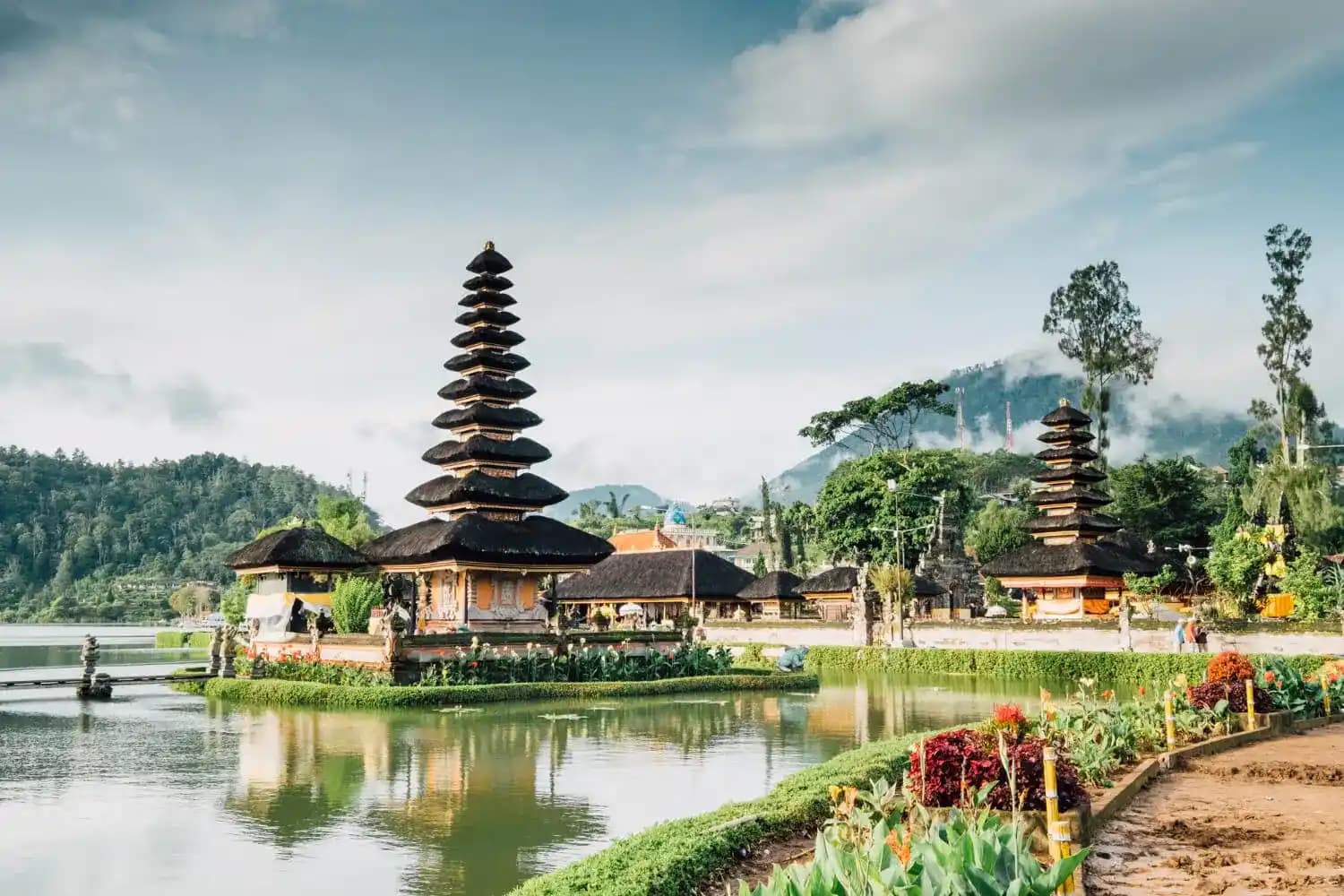

Explore Namhae: Top South Korea Travel Destinations
Namhae is an island county located in the South Gyeongsang Province of South Korea. Situated off the southern coast of the Korean Peninsula, approximately 60 kilometers from the city of Jinju. The county encompasses Namhae Island and several smaller islands, offering beautiful coastal views and diverse landscapes. Often referred to as the "Treasure Island" of Korea due to its breathtaking scenery, including mountains, beaches, and terraced rice fields. The region is ideal for outdoor activities such as hiking, kayaking, and fishing. The county is home to various cultural sites, including the famous Boriam Temple, which is one of the five most significant temples in South Korea, offering stunning views from its location atop Geumsan Mountain.
Population: Approximately 50,000 in 2024.
Economy: Tourism plays a significant role in Namhae's economy, with attractions such as the Namhae German Village, Boriam Temple, and the scenic terraced fields of Da-rang-yi Village drawing visitors year-round. Also renowned for its agricultural products, particularly high-quality garlic and rice. The region's fertile soil and favorable climate support various crops, making it a key area for farming in South Korea. Visitors can experience local farming practices and enjoy fresh produce at markets and restaurants.
Landmarks: Boriam Temple, Namhae Treasure Island Observatory, Namhae German Village, Da-rang-yi Terraced Rice Fields, Hallyeohaesang National Park, Geumsan Mountain

Overview of Namhae
History & Culture Influence
The island's strategic location made it a vital point for maritime trade and fishing activities over the centuries.
In the 1960s and 1970s, many South Koreans immigrated to Germany for work, particularly in nursing and mining. This migration led to the establishment of the Namhae German Village, where returning immigrants built homes using materials imported from Germany. This village has become a unique cultural landmark, blending Korean and German architectural styles and traditions.
The cultural landscape of Namhae is characterized by its agricultural heritage, particularly known for its high-quality garlic and rice. The terraced rice fields of Da-rang-yi Village are not only visually striking but also reflect the ingenuity of local farmers who adapted to the island's hilly terrain. This agricultural practice highlights the community's connection to the land and its resources.
Namhae's German Village is a focal point for cultural fusion, celebrating both Korean and German traditions. The village hosts an annual Oktoberfest, drawing visitors who come to enjoy traditional German food, beer, and cultural performances.
Interaction with The Locals
Namhae has a population predominantly composed of ethnic Koreans. The community is characterized by a blend of traditional Korean culture and influences from the German immigrants who settled in the area during the 1960s and 1970s. The locals in Namhae generally have a positive attitude towards tourists. They are welcoming and eager to share their culture, history, and local cuisine. Visitors will often find residents willing to offer assistance, whether it’s directions, recommendations for local attractions, or insights into the region's agricultural practices.
Namhae’s residents often participate in communal activities, such as farming and fishing, which visitors can observe or even join. This offers a unique insight into the daily lives of the locals and their connection to the land and sea.

Top Attractions in Namhae
Namhae boasts some incredible attractions for travelers seeking both natural beauty and cultural experiences. Explore the breathtaking Hallyeohaesang National Park, known for its stunning coastal views and scenic hiking trails, or visit the Namhae German Village, a charming spot with German-style architecture and an annual Oktoberfest celebration. For adventure seekers, the Seolri Sky Walk offers thrilling views with a glass walkway extending over the cliffs.
Hallyeohaesang National Park
Location: Stretching from Jisimdo Island in Geoje to Odongdo
Hallyeohaesang National Park is a breathtaking destination, famous for its rugged coastline, lush forests, and charming fishing villages. The park offers some of the best hiking trails in South Korea, where you can explore dense woodlands and soak in panoramic views of the sea and surrounding mountains. With its mix of natural beauty and cultural sites, it's a paradise for outdoor enthusiasts and photographers alike.
Gacheon Daraengi Village
Location: Perched on a steep hill near Seolheulsan Mountain
Gacheon Daraengi Village is a stunning gem known for its unique 100-story terraced rice fields that cascade down a cliffside overlooking the ocean. It’s one of the most picturesque spots in Namhae, frequently featured in photos thanks to its jaw-dropping scenery. The village provides a peaceful retreat, and the views alone are worth the trip, offering a glimpse into the traditional agricultural practices of the region.
Geumsan Mountain
Location: North Gyeongsang Province, eastern South Korea
The towering Geumsan Mountain is the highest peak on Namhae Island, making it a top destination for hikers and nature lovers. It’s also home to the iconic Boriam Temple, offering spectacular vistas of both the mountains and the sea. As part of Hallyeohaesang National Park, it’s an ideal spot for those seeking serenity, stunning views, and cultural exploration.
Boriam Temple
Location: 665 Boriam-ro, Sangju-myeon, Namhae-gun, Gyeongsangnam-do
Boriam Temple is one of South Korea’s most revered Buddhist temples, nestled high on Geumsan Mountain. Famous for its breathtaking views, the temple overlooks the vast sea and rolling hills, making it a serene place for meditation and reflection. The temple’s stunning architecture and peaceful atmosphere attract both pilgrims and travelers in search of spiritual and natural beauty.
Namhae German Village
Location: 1154 Mulgeon-ri, Samdong-myeon, Namhae-gun, Gyeongsangnam-do
The Namhae German Village is a charming cultural spot built by Koreans who returned after working in Germany during the 1960s and 1970s. With its German-style architecture and European flair, it feels like a small slice of Germany in South Korea. The village comes alive during its annual Oktoberfest, drawing visitors who want to experience German culture through food, beer, and music.
Seolri Sky Walk
Location: Mijo-myeon, Namhae-gun
For thrill-seekers, the Seolri Sky Walk offers an unforgettable experience. This 79-meter-long glass skywalk extends out over the coastline, providing breathtaking views of the cliffs and sea below. At the end, there's even a swing for those looking for an extra adrenaline rush. It’s a must-visit for anyone who wants to soak in Namhae’s natural beauty from a whole new perspective.

Must-Try Dishes in Namhae
Namhae offers a delightful array of must-try dishes that showcase its rich local produce and fresh seafood. Grilled eel (Jang-eun Gui) is a standout, featuring fresh, tender eel marinated in a savory sauce and grilled to perfection, reflecting the region's coastal abundance. Visitors should also try Seafood Pancakes (Haemul Pajeon), made with a mix of shrimp, squid, and green onions, paired perfectly with the region’s beloved Makgeolli, a traditional rice wine that often incorporates Namhae’s famous citrus for a unique twist.
Namhae Garlic
Namhae is renowned for its garlic, known for its robust flavor and health benefits. It is a key agricultural product in the region, used extensively in various dishes, including marinades, soups, and side dishes. Celebrated for its quality, Namhae garlic is a fundamental part of the local cuisine and symbolizes the area's agricultural identity.
Grilled Eel (Jang-eun Gui)
In Namhae, fresh eel is marinated in a savory sauce and grilled to create a tender and flavorful dish. Commonly served with rice and various side dishes, grilled eel is a local delicacy that highlights Namhae's coastal resources and showcases the region's rich seafood offerings.
Seafood Pancakes (Haemul Pajeon)
This savory pancake is made from a batter of flour and green onions, enriched with a variety of fresh seafood such as shrimp and squid, and is typically served with a soy dipping sauce. Seafood pancakes are particularly popular in coastal areas like Namhae, reflecting the abundance of fresh seafood available.
Namhae Citrus Products
Namhae is also celebrated for its delicious citrus fruits, especially yuja (citron). These fruits are used in a variety of products including citrus tea, preserves, and desserts, showcasing the region's agricultural diversity and adding a unique flavor profile to the local cuisine.
Raw Fish (Sashimi)
Namhae’s proximity to the sea provides access to freshly caught fish, often served as sashimi, thinly sliced and accompanied by dipping sauces and side dishes. The availability of various types of fish, depending on the catch of the day, ensures a high-quality seafood experience for visitors.
Makgeolli
Makgeolli, a traditional Korean rice wine, is a cultural staple in Namhae, enjoyed for its slight sweetness and milky texture. Often paired with savory pancakes or during communal meals, local variations may include ingredients like Namhae citrus, adding a unique twist to this beloved beverage.

Festivals & Local Celebrations
Namhae, known for its vibrant cultural tapestry and scenic beauty, hosts several unique festivals and local celebrations throughout the year. Here’s an overview of major festivals in Namhae:
Namhae Garlic Festival
Time of Year: Late May
Celebrating the garlic harvest, this festival showcases Namhae's famous garlic. Attendees can indulge in various garlic-themed dishes, participate in cooking demonstrations, and explore agricultural stalls selling local products. The event serves as a vibrant celebration of the region's agricultural heritage.
Namhae Garlic & Korean Beef Festival
Time of Year: June 15-18
Hosted at the Namhae Exile Literature Center, this festival highlights the combination of Namhae's renowned garlic and high-quality Hanwoo beef. Visitors can savor dishes featuring these staple ingredients, enjoy cultural performances, and engage in activities that celebrate Namhae's rich culinary traditions.
Namhae German Village Beer Festival
Time of Year: Typically in October
This festival celebrates the unique cultural fusion of Namhae, featuring German-style beer and cuisine. Participants can enjoy live music, traditional German dishes, and a variety of entertainment options,
creating a festive atmosphere that reflects the region's German heritage.
Namhae Citrus Festival
Time of Year: Early December
Dedicated to the citrus harvest, especially yuja (citron), this festival offers tastings, cooking demonstrations, and showcases local products. Visitors can explore the importance of citrus farming in Namhae and enjoy a range of citrus-infused dishes and beverages.
Namhae Treasure Island Festival
Time of Year: Summer (exact dates may vary)
This festival emphasizes the natural beauty and cultural heritage of Namhae. It features a variety of outdoor activities, local food, and cultural performances that highlight the island's traditions and community spirit.
Discover many other famous festivals of South Korea here.

What to Do in Namhae
Sea Kayaking
Journey through the pristine waters of Namhae, enjoying the breathtaking coastal scenery and venturing to nearby islands. While kayaking, keep an eye out for the diverse marine life in the area's tranquil waters.
Read more about sea activities in Jeju here.
Hiking in Hallyeohaesang National Park
Traverse the rugged trails of Hallyeohaesang National Park, spanning a large portion of Namhae Island. Ascend Geumsan Mountain to capture expansive views of the landscape and adjacent islands.
Visit the Namhae German Village
Discover the distinctive German-style architecture and delve into the stories of Korean immigrants who returned from Germany. Participate in the Oktoberfest celebration held every October to enjoy authentic German cuisine, beer, and cultural performances.
Explore Gacheon Daraengi Village
Be captivated by the extraordinary 100-story terraced rice fields that tumble down a cliff with the ocean in the backdrop. Tour this traditional Korean village to gain insights into local agricultural methods.
Visit Boriam Temple
Trek to the summit of Geumsan Mountain to explore one of South Korea's five most significant temples. Relish the stunning architecture and the panoramic views of the surrounding areas from this elevated sanctuary.

Weather in Namhae
Namhae experiences a temperate climate with distinct seasons, making it an attractive destination for travelers throughout the year. Here’s an overview of the weather patterns, average temperatures, rainfall, and the best times to visit:
Average Temperatures
Winter (December to February): Average temperatures range from -1.6°C to 8°C (30°F to 46°F). January tends to be the coldest month.
Spring (March to May): Temperatures gradually rise, averaging between 6°C to 20°C (43°F to 68°F). This season is generally mild and pleasant.
Summer (June to August): Average temperatures range from 20°C to 30°C (68°F to 86°F). July and August are the warmest months, often accompanied by high humidity.
Autumn (September to November): Average temperatures decrease from 20°C in September to 10°C in November (68°F to 50°F). The weather is typically mild and comfortable.
Rainfall
Annual Rainfall: Namhae receives significant rainfall, particularly during the summer months. The wettest months are July and August, with average precipitation exceeding 200 mm (7.9 inches).
Dry Months: The winter months (December to February) tend to be drier, with lower precipitation levels.
Best Time to Travel
Spring (April to June): This is considered one of the best times to visit, with mild temperatures and blooming flowers. The weather is pleasant, making it ideal for outdoor activities and sightseeing.
Autumn (September to November): Another excellent time to visit, as temperatures are comfortable and the fall foliage adds to the scenic beauty of the region.
Summer (July and August): While warm, this period can be humid and rainy, so travelers should be prepared for possible downpours. However, summer festivals and beach activities are popular during this time.
Weather Patterns
Humidity: Namhae experiences high humidity, especially in the summer months, which can make the heat feel more intense.
Typhoons: The region may be affected by typhoons during late summer, typically between August and September, leading to heavy rain and strong winds.
Learn more about Buyeo weather here.

Essential Travel Information
Transportation
Airport Transfers
If you're flying into Gimhae International Airport (PUS), it's the nearest major airport, about a 2-hour drive to Namhae. You can book a private car transfer to enjoy a comfortable journey to the island. For those arriving at Incheon International Airport (ICN), expect a longer trip—about 4 to 5 hours with a private transfer service available to take you straight to Namhae.
Public Transit
Namhae’s local bus system is a convenient and budget-friendly way to get around the island, with routes connecting popular spots like the German Village and Hallyeohaesang National Park. If you prefer more flexibility, taxis are widely available and offer a comfortable way to travel. From Yeosu Airport, taxi fares to Namhae are around 80,000 KRW (about $60 USD).
Ride-Sharing Services
Although ride-sharing services like Kakao T are available in South Korea, their presence in Namhae is more limited than in larger cities. However, if you're familiar with the app, it can still be a handy option.
Getting Around Namhae
Renting a car is a fantastic way to explore Namhae at your own pace. It gives you the freedom to visit more remote attractions, and major rental companies have offices in nearby cities like Busan and Yeosu for easy pick-up and drop-off.
ATM and Banking Services
ATMs
Namhae is equipped with several ATMs conveniently located at convenience stores, banks, and tourist spots, ensuring easy access to cash. For example, there's a HyoSeong ATM at a Family Mart in Namhae-eup, making it simple for visitors to withdraw cash when needed. Many ATMs accept international cards, but be sure to look for the Visa or Mastercard logos to confirm compatibility. Keep in mind that foreign card withdrawals might come with a small fee.
Mobile Banking Options
South Korea's banks have embraced technology, allowing users to make cash withdrawals and deposits through mobile banking apps using QR codes. This feature is available at various ATMs and adds a level of convenience, especially for tech-savvy travelers.
Banking Facilities
Namhae has branches of major banks like Shinhan Bank, KEB Hana Bank, and Woori Bank, offering essential services such as currency exchange, account management, and financial advice. Banks are generally open Monday to Friday, from 9 AM to 4 PM, with some branches opening on Saturday mornings. It’s always a good idea to check specific branch hours in advance.
Accommodation Choices
Namhae provides a variety of lodging options for all types of travelers:
Hotels
- Namhae Beach Hotel: A popular spot offering comfortable rooms with stunning ocean views and quick access to the beach.
- The Namhae Resort: This resort is ideal for families and relaxation seekers, with modern amenities, a restaurant, and recreational facilities.
Guesthouses and Hanoks
- Traditional Hanok Stays: Experience authentic Korean culture by staying in a hanok, a traditional Korean house. These stays offer a unique cultural experience that blends comfort and history.
- Guesthouses: For budget-conscious travelers, Namhae has several guesthouses that provide cozy accommodations, often with the chance to meet fellow travelers.
Other Options
- Pensions: Namhae also offers pensions, family-run guesthouses that provide a homey feel and often include meals, offering visitors a true taste of local life.
Articles for you

Explore Danyang: Top South Korea Travel & Asia Tweet Tours
Danyang, a picturesque county in South Korea, is located in North Chungcheong Province and is known for its stunning natural landscapes and rich cultural heritage. Situated approximately 150 kilometers (93 miles) southeast of Seoul, nestled in a mountainous region that includes parts of Sobaeksan National Park. The area is characterized by its beautiful rivers, valleys, and limestone caves.
Danyang is renowned for its breathtaking scenery, particularly the Danyanggang River, which provides opportunities for outdoor activities like hiking, cycling, and water sports. The county is also famous for its Gosu Cave, a spectacular limestone cave featuring impressive stalactites and stalagmites.
Craving an exceptional South Korea adventure? Explore our handpicked premium tours here for the ultimate experience.
Population: Approximately 800,000 in 2024.
Economy: Danyang is a popular tourist destination known for its stunning natural landscapes, including mountains, rivers, and caves. Attractions like Gosu Cave and the Danyanggang River draw visitors, contributing significantly to the local economy through hospitality, dining, and recreational activities.
The region surrounding Danyang is characterized by agricultural activities, with local farms producing various crops. This agricultural base supports local markets and contributes to the food supply for the area.
Landmarks: Gosu Cave, Danyanggang River, Sobaeksan National Park, Danyang Wine Tunnel, Guinsa Temple, Ondal Gwangwangji

Explore Suwon - South Korea Travel, Asia
Suwon, the capital of Gyeonggi Province in South Korea, is a vibrant city located just 30 kilometers (19 miles) south of Seoul. This is the largest city in the province, serving as a key political, economic, and cultural hub. One of Suwon’s most iconic landmarks is Hwaseong Fortress, a UNESCO World Heritage Site that showcases stunning late 18th-century Korean architecture and military ingenuity. Beyond its historical appeal, Suwon is famous for its galbi (marinated beef ribs), particularly wanggalbi, which draws food lovers from across the country. The city also hosts numerous cultural festivals and events throughout the year, offering visitors an immersive experience in Korean traditions, arts, and crafts. Surrounded by picturesque landscapes and well-maintained parks, Suwon is ideal for nature enthusiasts who enjoy outdoor activities like hiking. With modern amenities, including an efficient public transit system and a thriving sports scene,
Population Approximately 1.2 million (as of 2024).
Economy: Suwon is home to the headquarters of Samsung Electronics, South Korea's largest and most profitable company. Suwon's economy is characterized by its strong focus on technology, support for small businesses, and commitment to education and sustainability. These factors not only drive economic growth but also create a vibrant environment for visitors, making it an engaging place to explore. Travelers can appreciate the blend of modern industry and historical significance that defines Suwon's unique character.
Cultural Significance: Hwaseong Fortress, Suwon World Cup Stadium, Korean Folk Village, Mr. Toilet House, Suwon Hwaseong Museum, Manseok Park, Suwon First Church

Explore Goseong: Top South Korea Destinations in Asia
Goseong County, located in South Gyeongsang Province, South Korea, is notable for its rich history as the former capital of the ancient Sogaya kingdom and its stunning natural landscapes, including beautiful coastlines and mountains. Goseong is unique for being the historical capital of the ancient Gaya kingdom and features attractions like the Goseong Dinosaur Museum and the annual Sogaya Festival, celebrating its cultural heritage. The area is also renowned for its scenic coastlines, mountains, and agricultural products, making it an appealing destination for nature lovers and those interested in Korean history. You can enjoy outdoor activities, explore historical sites, and experience local cuisine, enhancing their overall travel experience in this culturally rich region.
Embark on a journey beyond the ordinary—discover our premium South Korea tours here for a truly unique travel experience.
Population: Estimate 30,000 people (as of 2024)
Economy: Goseong County's economy is characterized by a blend of agriculture, fishing, and tourism, reflecting its rich natural resources and historical significance. The county is known for its agricultural products, including rice, sweet persimmons, and various vegetables, which contribute to the local economy. Additionally, Goseong's coastal location supports a thriving fishing industry, with ports like Geojin and Gajin facilitating trade and seafood production.
Tourism plays a crucial role in Goseong's economy, driven by attractions such as the Goseong Dinosaur Museum, which showcases the region's paleontological significance, and the annual Sogaya Festival that celebrates its cultural heritage.
Landmarks: Goseong Dinosaur Museum, Sangjogam County Park, Danghangpo Tourist Resort, Mt. Yeonhwa Provincial Park, Goseong Ogwangdae (Korea Mask Dance Drama), Songhakdong Gobungun (Tombs of Gaya Period Leaders), Unheung Temple

Explore Yeongju: Top South Korea Travel Destinations
Yeongju is a city located in the far north region of North Gyeongsang province in South Korea. approximately 200 kilometers southeast of Seoul. The city is nestled at the base of the Sobaeksan Mountain range, which is part of Sobaeksan National Park. This picturesque setting provides a stunning backdrop for outdoor activities and hiking. The city covers an area of 668.84 km2. Yeongju sits on the Sallok plateau at the base of Sobaeksan Mountain, with an elongated shape that is longer from north to south than it is wide from west to east. The city is roughly 200m above sea level. Sobaeksan Mountain, which borders the Jungnyeong Pass, stretches southwest from Yeongju, with peaks such as Birobong, Gugmangbong, Yeonhwabong, and Dosolbong.
Craving an exceptional South Korea adventure? Explore our handpicked premium tours here for the ultimate experience.
Population: Estimate 100,000 residents (as of 2024)
Land marks: Buseoksa Temple, Sosuseowon Confucian Academy, Sobaeksan National Park, Museom Village, Seonbichon Village, Juklyeong Yetgil
Economy: With its rich historical sites and natural attractions, tourism plays a vital role in Yeongju's economy. The city's cultural landmarks, such as Buseoksa Temple and Sobaeksan National Park, attract visitors interested in history, spirituality, and outdoor activities.

Explore Danyang: Top South Korea Travel & Asia Tweet Tours
Danyang, a picturesque county in South Korea, is located in North Chungcheong Province and is known for its stunning natural landscapes and rich cultural heritage. Situated approximately 150 kilometers (93 miles) southeast of Seoul, nestled in a mountainous region that includes parts of Sobaeksan National Park. The area is characterized by its beautiful rivers, valleys, and limestone caves.
Danyang is renowned for its breathtaking scenery, particularly the Danyanggang River, which provides opportunities for outdoor activities like hiking, cycling, and water sports. The county is also famous for its Gosu Cave, a spectacular limestone cave featuring impressive stalactites and stalagmites.
Craving an exceptional South Korea adventure? Explore our handpicked premium tours here for the ultimate experience.
Population: Approximately 800,000 in 2024.
Economy: Danyang is a popular tourist destination known for its stunning natural landscapes, including mountains, rivers, and caves. Attractions like Gosu Cave and the Danyanggang River draw visitors, contributing significantly to the local economy through hospitality, dining, and recreational activities.
The region surrounding Danyang is characterized by agricultural activities, with local farms producing various crops. This agricultural base supports local markets and contributes to the food supply for the area.
Landmarks: Gosu Cave, Danyanggang River, Sobaeksan National Park, Danyang Wine Tunnel, Guinsa Temple, Ondal Gwangwangji


Explore Goseong: Top South Korea Destinations in Asia
Goseong County, located in South Gyeongsang Province, South Korea, is notable for its rich history as the former capital of the ancient Sogaya kingdom and its stunning natural landscapes, including beautiful coastlines and mountains. Goseong is unique for being the historical capital of the ancient Gaya kingdom and features attractions like the Goseong Dinosaur Museum and the annual Sogaya Festival, celebrating its cultural heritage. The area is also renowned for its scenic coastlines, mountains, and agricultural products, making it an appealing destination for nature lovers and those interested in Korean history. You can enjoy outdoor activities, explore historical sites, and experience local cuisine, enhancing their overall travel experience in this culturally rich region.
Embark on a journey beyond the ordinary—discover our premium South Korea tours here for a truly unique travel experience.
Population: Estimate 30,000 people (as of 2024)
Economy: Goseong County's economy is characterized by a blend of agriculture, fishing, and tourism, reflecting its rich natural resources and historical significance. The county is known for its agricultural products, including rice, sweet persimmons, and various vegetables, which contribute to the local economy. Additionally, Goseong's coastal location supports a thriving fishing industry, with ports like Geojin and Gajin facilitating trade and seafood production.
Tourism plays a crucial role in Goseong's economy, driven by attractions such as the Goseong Dinosaur Museum, which showcases the region's paleontological significance, and the annual Sogaya Festival that celebrates its cultural heritage.
Landmarks: Goseong Dinosaur Museum, Sangjogam County Park, Danghangpo Tourist Resort, Mt. Yeonhwa Provincial Park, Goseong Ogwangdae (Korea Mask Dance Drama), Songhakdong Gobungun (Tombs of Gaya Period Leaders), Unheung Temple

Our Best-Selling Tours
Follow Us