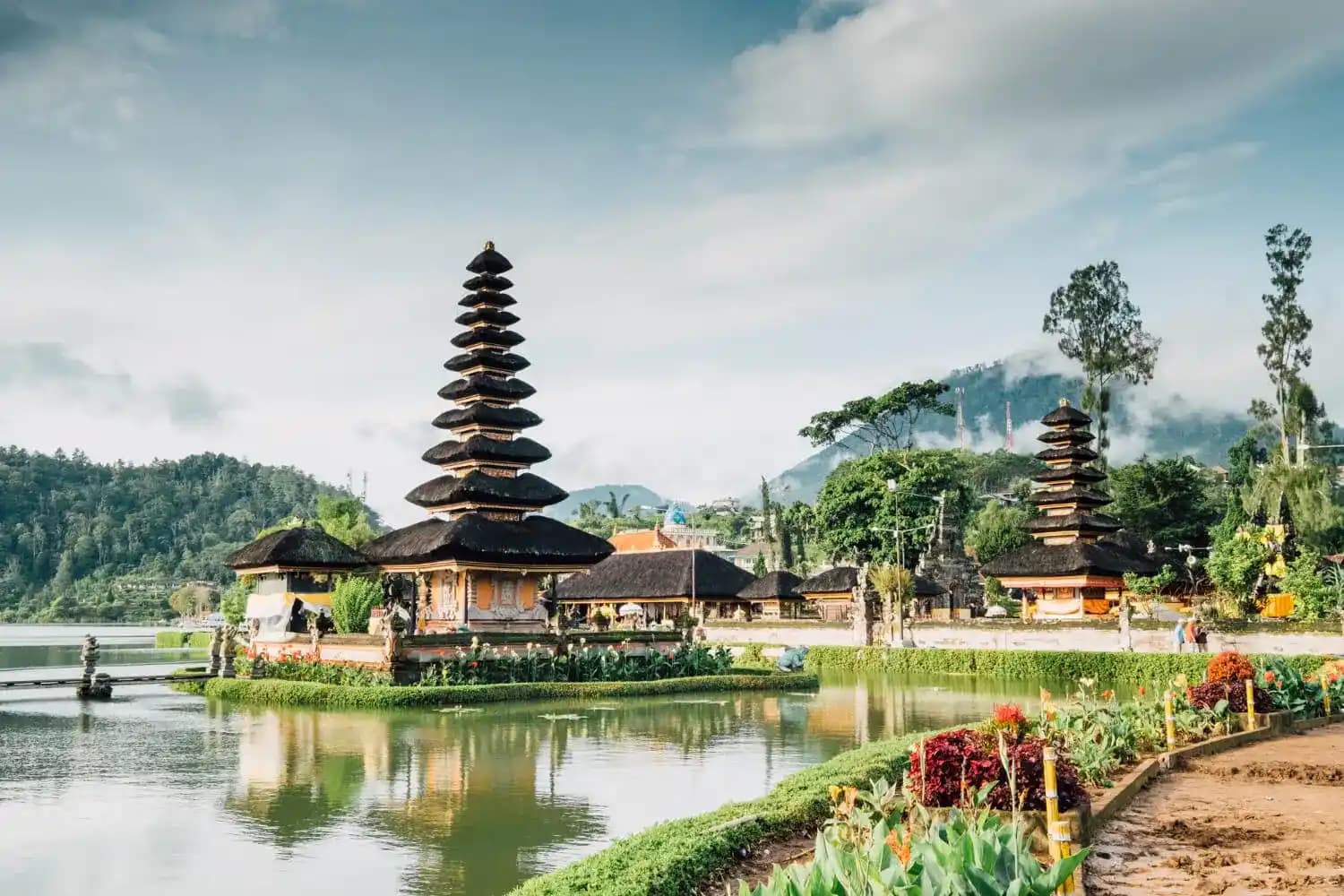

Explore Danyang: Top South Korea Travel & Asia Tweet Tours
Danyang, a picturesque county in South Korea, is located in North Chungcheong Province and is known for its stunning natural landscapes and rich cultural heritage. Situated approximately 150 kilometers (93 miles) southeast of Seoul, nestled in a mountainous region that includes parts of Sobaeksan National Park. The area is characterized by its beautiful rivers, valleys, and limestone caves.
Danyang is renowned for its breathtaking scenery, particularly the Danyanggang River, which provides opportunities for outdoor activities like hiking, cycling, and water sports. The county is also famous for its Gosu Cave, a spectacular limestone cave featuring impressive stalactites and stalagmites.
Craving an exceptional South Korea adventure? Explore our handpicked premium tours here for the ultimate experience.
Population: Approximately 800,000 in 2024.
Economy: Danyang is a popular tourist destination known for its stunning natural landscapes, including mountains, rivers, and caves. Attractions like Gosu Cave and the Danyanggang River draw visitors, contributing significantly to the local economy through hospitality, dining, and recreational activities.
The region surrounding Danyang is characterized by agricultural activities, with local farms producing various crops. This agricultural base supports local markets and contributes to the food supply for the area.
Landmarks: Gosu Cave, Danyanggang River, Sobaeksan National Park, Danyang Wine Tunnel, Guinsa Temple, Ondal Gwangwangji

Overview of Danyang
History & Culture Influence
Danyang has been inhabited for centuries, with evidence of human activity dating back to prehistoric times. The region is known for its natural beauty, characterized by stunning landscapes, including the Sobaeksan Mountain and the Danyanggang River. Historically, Danyang served as a vital transportation hub, connecting various regions and facilitating trade and cultural exchange.
During the Joseon Dynasty, Danyang gained prominence as a center for education and culture, with the establishment of Confucian academies. The area is also noted for its traditional pottery, which has been a significant part of its cultural heritage. The Gosu Cave, one of the largest limestone caves in Korea, has historical importance as well, attracting visitors and researchers alike.
Danyang's culture is deeply intertwined with its natural environment. The city is famous for the "Eight Sights of Danyang," a collection of scenic spots that highlight the area's natural beauty. These sights have inspired poets and artists throughout history, contributing to Danyang's reputation as a cultural haven.
Interaction with The Locals
Predominantly composed of ethnic Koreans. The community is characterized by a mix of urban and rural residents, with many engaged in agriculture, tourism, and small-scale manufacturing. Locals in Danyang are known for their friendly and hospitable nature. Visitors often report positive interactions, with residents eager to share information about the area and its attractions. Danyang residents take pride in their rich cultural heritage and natural beauty. They are generally enthusiastic about showcasing local traditions, cuisine, and festivals to tourists, enhancing the visitor experience.

Top Attractions in Danyang
Danyang is a hidden gem in South Korea, offering travelers a blend of breathtaking natural beauty and cultural richness. This charming town is surrounded by dramatic landscapes, including stunning river views, majestic mountains, and intriguing caves, making it a perfect destination for those seeking both adventure and tranquility. Whether you're exploring its scenic spots or immersing yourself in local traditions, Danyang promises an unforgettable experience.
Gosu Cave
Location: 8 Gosudonggul-gil, Danyang-eup, Danyang-gun, Chungcheongbuk-do, South Korea
Known as the "Underground Palace," Gosu Cave features stunning limestone formations with impressive stalactites and stalagmites. Its multi-level structure, formed over millions of years, attracts nature lovers and adventure seekers alike.
Danyanggang River
Location: situated 1.2-kilometer-long trekking path along the Namhangang River Danyang, Chungcheongbuk-do
The Danyanggang River is celebrated for its picturesque scenery and array of recreational activities. Kayaking, fishing, and cycling along the riverbanks are popular, offering visitors a chance to immerse themselves in the natural beauty of the area.
Sobaeksan National Park
Location: Sobaeksan-ro, Danyang-gun, Chungcheongbuk-do, South Korea
Sobaeksan National Park boasts stunning mountain landscapes, extensive hiking trails, and a rich diversity of flora and fauna. The park becomes a particularly popular destination in autumn when the foliage turns vibrant, providing breathtaking views for hikers.
Guinsa Temple
Location: 73 Guinsa-gil, Yeongchun-myeon, Danyang-gun, Chungcheongbuk-do
Guinsa Temple stands as a significant Buddhist site, known for its exquisite architecture and tranquil atmosphere. The complex offers insights into Korean Buddhist practices and provides a serene space for meditation and reflection.
Ondal Gwangwangji
Location: 23, Ondal-ro, Danyang-eup, Danyang-gun, Chungcheongbuk-do, South Korea
Linked to the legendary figure Ondal, this site features a park and various monuments, celebrating stories of love and bravery. It's a cultural landmark for those interested in Korean historical narratives.
Suyanggae Light Tunnel
Location: 390 Suyanggae-gil, Danyang-eup, Danyang-gun, Chungcheongbuk-do, South Korea
The Suyanggae Light Tunnel is a vibrant venue known for its artistic light displays. It's a favorite for photography enthusiasts and visitors looking for a picturesque stroll through colorful lights.

Must-Try Dishes in Danyang
Danyang’s culinary scene is a delightful journey into traditional Korean flavors, offering dishes that reflect the region’s agricultural richness and deep-rooted food culture. Visitors can savor hearty, local specialties that highlight fresh, seasonal ingredients, providing an authentic taste of rural Korea. Whether you're indulging in a comforting stew or enjoying unique local delicacies, Danyang’s cuisine is sure to leave a lasting impression.
Ssogari Meungtang (Spicy Mandarin Fish Stew)
A hearty stew is prepared with mandarin fish simmered in a spicy broth alongside various vegetables and spices, offering a rich flavor profile. It's especially popular during the colder months. Ssogari Meungtang is celebrated as a local delicacy in Danyang, highlighting the region's access to fresh fish and its tradition of using local ingredients to create comforting, flavorful dishes.
Danyang Garlic Chicken
Fried chicken is generously coated with crispy fried garlic, adding a robust flavor that is loved by both locals and visitors. The dish celebrates Danyang's renowned high-quality garlic, which flourishes in the region's unique climate and soil, thereby emphasizing the town's agricultural heritage.
Garlic Tteok-galbi (Grilled Short Rib Patties)
These grilled patties are made from minced short ribs mixed with garlic and other seasonings, resulting in tender and flavorful bites typically served with rice and side dishes. The incorporation of garlic in tteok-galbi showcases Danyang’s culinary identity and underscores garlic’s pivotal role in local cooking.
Danyang Noodles
Crafted with garlic, these noodles are served in a light broth or stir-fried with vegetables, known for their chewy texture and subtle garlic flavor. Danyang noodles exemplify the utilization of regional agricultural products, particularly garlic, offering a simple yet profoundly satisfying culinary experience.
Black Garlic Fried Chicken (Gangjeong)
This dish features bite-sized pieces of fried chicken glazed in a dark black garlic sauce and often served with nurungji (crispy rice). The sweet and savory flavor of black garlic adds a unique twist to the traditional fried chicken, reflecting Danyang’s innovative spirit in blending traditional recipes with local ingredients.

Festivals & Local Celebrations
Sobaeksan Royal Azalea Festival
Time of Year: May
Celebrate the blooming of royal azaleas at Sobaeksan National Park during this vibrant festival. Visitors can admire the stunning pink flowers, enjoy cultural performances, and participate in outdoor activities like hiking and camping.
Twins Healing Festival
Time of Year: June
This unique festival honors the special bond between twins. Attendees can enjoy twin-themed performances, engage in various games and activities, and explore the cultural significance of twins in Korean folklore.
Danyang Ondal Festival
Time of Year: September
The Ondal Festival commemorates the legendary figure Ondal, celebrated for his love story and acts of bravery. The festival features traditional performances, cultural events, and invites visitors to wear traditional Korean costumes to enhance their experience.
Danyang Makgeolli Festival
Time of Year: October
This festival highlights Danyang's local specialty, makgeolli, a traditional Korean rice wine. Participants can taste various makgeolli varieties, enjoy live music, cultural performances, and discover the history and craft behind this beloved beverage.
Danyang Light Festival
Time of Year: November-December
Experience the magical transformation of Danyang during the Light Festival in the winter months. Visitors can wander through beautifully illuminated trails, admire creative light installations, and soak in the festive atmosphere, making it an ideal time to visit the area.
Looking to add more adventure to your journey? Gwangju awaits with unique experiences—explore more here.

What to Do in Danyang
Paragliding
Danyang is renowned for its excellent paragliding opportunities, providing breathtaking views of the surrounding mountains and valleys. Visitors can soar above the landscape, experiencing the thrill of flight while enjoying the stunning scenery.
Gosu Cave
Known as one of the largest limestone caves in Korea, Gosu Cave features impressive stalactites and stalagmites. Guided tours allow visitors to explore the cave's fascinating geological formations and learn about its history.
Curious about the scenic beauty of Jeonju? Find out what makes it so special here in our in-depth travel guide.
Macheonha Sky Walk and Zipline
This skywalk offers visitors a thrilling experience as they walk along a glass-bottomed path suspended high above the ground, providing panoramic views of the surrounding landscape. A zipline is also available for those seeking an adrenaline rush.
Dodamsambong Peaks
An iconic rock formations rise dramatically from the river, making for a picturesque spot for photography and leisurely walks. The area is steeped in local legend, adding cultural significance to the natural beauty.
Guinsa Temple
This significant Buddhist temple is known for its beautiful architecture and serene atmosphere. Visitors can explore the temple grounds, participate in meditation sessions, and learn about Korean Buddhism.

Weather in Danyang
Average Temperatures
Summer (June to August): Average daily highs range from 26°C to 30°C (79°F to 86°F) with lows around 18°C to 22°C (64°F to 72°F).
Winter (December to February): Average daily highs are between 2°C and 7°C (36°F to 45°F) with lows dropping to -6°C to -2°C (21°F to 28°F).
Spring (March to May) and Fall (September to November): Temperatures are mild, with highs typically between 10°C and 21°C (50°F to 70°F) and lows ranging from 3°C to 16°C (37°F to 61°F).
Rainfall
Annual Rainfall: Danyang receives approximately 1,200 to 1,800 mm (47 to 71 inches) of precipitation per year.
Rainy Season: The wettest months are July and August, with significant rainfall, often exceeding 150 mm (6 inches) in these months.
Dry Season: January to April typically sees less rainfall, with January being the driest month.
Best Time to Travel
Spring (April to May): Known for pleasant weather, blooming flowers, and low rainfall, making it ideal for outdoor activities.
Fall (September to October): Offers mild temperatures and beautiful autumn foliage, providing a picturesque backdrop for visitors.

Essential Travel Information
Getting to Danyang
Airport Transfers
Incheon International Airport (ICN) and Gimpo International Airport (GMP) are the primary airports serving Danyang. While some hotels may not provide direct airport transfer services, visitors can utilize shuttle buses or private taxi services to reach Danyang from the airports.
Bus Services
There are express bus services from major cities like Seoul and Daegu to Danyang. Buses typically depart from bus terminals in these cities and provide a comfortable and efficient way to travel to Danyang.
Getting Around Danyang
Public Transit
Danyang has a reliable public bus system that connects various neighborhoods and attractions. Buses are affordable and operate frequently, making them a convenient option for getting around the city.
Taxis
Taxis are widely available in Danyang and can be hailed on the street or booked via phone. Fares are metered, and they provide a comfortable option for direct transfers to specific destinations.
Ride-Sharing Services
Ride-sharing services like KakaoTaxi are available in Danyang, allowing travelers to book rides through mobile apps. This option offers flexibility and convenience for getting around the city.
ATM and Banking Services
- ATMs: Danyang has several ATMs that accept international cards, including Visa and Mastercard. Visitors can find ATMs at major banks and convenience stores throughout the city. It's advisable to try multiple machines if one does not work, as some may have restrictions on foreign cards.
- Banks: Major banks such as Shinhan Bank and Woori Bank have branches in Danyang, offering a range of banking services, including currency exchange and cash withdrawals.
Accommodation Choices
SONO MOON DANYANG
A well-rated hotel offering modern amenities and beautiful views of the surrounding mountains. It is conveniently located near popular attractions.
Danyang Bihaenggi
A comfortable accommodation option that provides essential amenities for travelers. It is suitable for those looking for a budget-friendly stay.
Daemyung Resort Danyang
A resort offering a range of facilities, including a spa, golf course, and various recreational activities. It is ideal for families and those looking for a relaxing getaway.
Local Guesthouses and Motels
Danyang also features various guesthouses and motels that cater to budget-conscious travelers. These accommodations often provide a more intimate experience and a chance to connect with local culture.
Articles for you

Explore Buyeo: Top South Korea Travel Destinations
Buyeo, a historic city located in the Chungcheongnam-do province of South Korea. This charming city is situated in the southwestern part of the country, along the banks of the Geum River, and is surrounded by beautiful mountains and natural landscapes. As the capital of the Baekje Kingdom, which thrived from 18 BC to AD 660, Buyeo is home to numerous historical sites that reflect its ancient glory. The city is recognized as a UNESCO World Heritage Site, with many remnants of Baekje's architectural and cultural achievements.
Buyeo hosts various festivals, including the Lotus Flower Festival, which attracts visitors to enjoy the blooming lotus flowers and participate in cultural activities.
Craving an exceptional South Korea adventure? Explore our handpicked premium tours here for the ultimate experience.
Population: approximately 80,000 as of 2024.
Economy: Tourism is a significant part of Buyeo's economy, with the city's historical sites and cultural events attracting visitors from across South Korea and abroad. The Baekje Cultural Land, Gungnamji Pond, and annual Lotus Flower Festival are major draws for tourists.
Landmarks: Gungnamji Pond, Baekje Cultural Land, Busosanseong Fortress, Jeongnimsa Temple, Nakhwaam Rock, Seodong Park, Royal Tombs in Neungsan-ri

Explore Chuncheon: South Korea Travel & Asia Tweet Tours
Chuncheon is the capital city of Gangwon Province in South Korea, located approximately 75 km (47 miles) northeast of Seoul. Chuncheon is a scenic city embraced by lakes and mountains, making it a haven for nature enthusiasts and adventure seekers alike. Renowned as the 'City of Lakes,' its picturesque landscapes are dominated by the serene Soyang Lake and Uiamho Lake, which offer ample opportunities for water sports and leisurely boat rides.
Chuncheon is also celebrated for its vibrant cultural scene, hosting the lively Chuncheon Puppet Festival and the Chuncheon International Mime Festival, drawing artists and audiences from around the globe. Culinary travelers delight in sampling the local specialty, dakgalbi, a spicy stir-fried chicken dish that's a must-try for anyone visiting the city.
Looking for an unforgettable journey through South Korea? Explore our premium tours here and start planning your adventure
Population: Approximately 300,000 in 2024.
Economy: a city with a diverse and evolving economy that reflects its agricultural roots and growing industrial sector. Chuncheon serves as a market center for agricultural produce from the surrounding areas, with rice and soybeans being the main products. Since the 1960s, the city has seen a shift towards light industry, contributing to its economic development.
Chuncheon has gained international attention as a popular tourist destination, particularly after the success of the Korean drama Winter Sonata, which has attracted visitors from across East Asia. The city is also in the process of developing Legoland Korea, set to be the largest Legoland in the world, expected to draw over a million tourists annually upon its opening.
Landmarks: Soyang River Sky Walk, Cheongpyeongsa Temple, Chuncheon Myeongdong Street, Namiseom (Nami) Island, Gangchon Rail Park, Chuncheon National Museum

Explore Sokcho: Top South Korea Travel Destinations
Sokcho is situated on the northeastern coast, along the East Sea, approximately 215 kilometers east of Seoul. Originally a fishing village, later became a mineral transfer port in 1937, and changed hands from North to South Korea in 1951. It is surrounded by the Seoraksan National Park, one of the most beautiful mountain ranges in the country. The city is located about 215 km east of Seoul and is easily accessible by road and bus. Sokcho is known for its seafood and fishing industry, with many restaurants and markets offering fresh local catches. The city also hosts several festivals throughout the year, including the Sokcho Sea Festival in August, which celebrates the city's maritime heritage with music, food, and cultural performances.
Embark on a journey beyond the ordinary—discover our premium South Korea tours here for a truly unique travel experience.
Population: approximately 83,000 as of 2024.
Economy: Sokcho is a major tourist hub, primarily due to its proximity to Seoraksan National Park, which attracts hikers and nature enthusiasts. The city's tourism industry has flourished, particularly after improvements in transportation, such as the opening of the Donghae Expressway, making it more accessible from Seoul. Visitors can expect a wide range of accommodations, restaurants, and activities that cater to tourists.
Landmarks: Seoraksan National Park, Sokcho Beach, Abai Village,Sinheungsa Temple, Sokcho Expo Tower, Yeonggeumjeong Pavilion, Daepo Port

Explore Gyeongju - South Korea Travel, Asia
Gyeongju, often referred to as "the museum without walls," located in the southeastern corner of North Gyeongsang Province, South Korea. It is situated approximately 370 kilometers (230 miles) southeast of Seoul and 55 kilometers (34 miles) east of Daegu. The city covers an area of about 1,324 square kilometers (511 square miles) . As the former capital of the ancient Silla Kingdom, which ruled much of the Korean Peninsula from 57 BC to 935 AD, Gyeongju boasts a rich cultural heritage spanning over 1,000 years. The city is renowned for its exceptional concentration of archaeological sites, Buddhist art, and well-preserved historical artifacts.
Population: approximately 250,000 as of 2024.
Economy: Gyeongju's economy is diverse, primarily driven by tourism, manufacturing, and agriculture. As a major tourist destination, Gyeongju attracts visitors due to its rich historical heritage and archaeological sites, contributing significantly to the local economy.
Landmarks: Bulguksa Temple, Seokguram Grotto, Gyeongju National Museum, Tumuli Park, Gyeongju Historic Areas, Yangdong Folk Village.

Explore Buyeo: Top South Korea Travel Destinations
Buyeo, a historic city located in the Chungcheongnam-do province of South Korea. This charming city is situated in the southwestern part of the country, along the banks of the Geum River, and is surrounded by beautiful mountains and natural landscapes. As the capital of the Baekje Kingdom, which thrived from 18 BC to AD 660, Buyeo is home to numerous historical sites that reflect its ancient glory. The city is recognized as a UNESCO World Heritage Site, with many remnants of Baekje's architectural and cultural achievements.
Buyeo hosts various festivals, including the Lotus Flower Festival, which attracts visitors to enjoy the blooming lotus flowers and participate in cultural activities.
Craving an exceptional South Korea adventure? Explore our handpicked premium tours here for the ultimate experience.
Population: approximately 80,000 as of 2024.
Economy: Tourism is a significant part of Buyeo's economy, with the city's historical sites and cultural events attracting visitors from across South Korea and abroad. The Baekje Cultural Land, Gungnamji Pond, and annual Lotus Flower Festival are major draws for tourists.
Landmarks: Gungnamji Pond, Baekje Cultural Land, Busosanseong Fortress, Jeongnimsa Temple, Nakhwaam Rock, Seodong Park, Royal Tombs in Neungsan-ri

Explore Chuncheon: South Korea Travel & Asia Tweet Tours
Chuncheon is the capital city of Gangwon Province in South Korea, located approximately 75 km (47 miles) northeast of Seoul. Chuncheon is a scenic city embraced by lakes and mountains, making it a haven for nature enthusiasts and adventure seekers alike. Renowned as the 'City of Lakes,' its picturesque landscapes are dominated by the serene Soyang Lake and Uiamho Lake, which offer ample opportunities for water sports and leisurely boat rides.
Chuncheon is also celebrated for its vibrant cultural scene, hosting the lively Chuncheon Puppet Festival and the Chuncheon International Mime Festival, drawing artists and audiences from around the globe. Culinary travelers delight in sampling the local specialty, dakgalbi, a spicy stir-fried chicken dish that's a must-try for anyone visiting the city.
Looking for an unforgettable journey through South Korea? Explore our premium tours here and start planning your adventure
Population: Approximately 300,000 in 2024.
Economy: a city with a diverse and evolving economy that reflects its agricultural roots and growing industrial sector. Chuncheon serves as a market center for agricultural produce from the surrounding areas, with rice and soybeans being the main products. Since the 1960s, the city has seen a shift towards light industry, contributing to its economic development.
Chuncheon has gained international attention as a popular tourist destination, particularly after the success of the Korean drama Winter Sonata, which has attracted visitors from across East Asia. The city is also in the process of developing Legoland Korea, set to be the largest Legoland in the world, expected to draw over a million tourists annually upon its opening.
Landmarks: Soyang River Sky Walk, Cheongpyeongsa Temple, Chuncheon Myeongdong Street, Namiseom (Nami) Island, Gangchon Rail Park, Chuncheon National Museum

Explore Sokcho: Top South Korea Travel Destinations
Sokcho is situated on the northeastern coast, along the East Sea, approximately 215 kilometers east of Seoul. Originally a fishing village, later became a mineral transfer port in 1937, and changed hands from North to South Korea in 1951. It is surrounded by the Seoraksan National Park, one of the most beautiful mountain ranges in the country. The city is located about 215 km east of Seoul and is easily accessible by road and bus. Sokcho is known for its seafood and fishing industry, with many restaurants and markets offering fresh local catches. The city also hosts several festivals throughout the year, including the Sokcho Sea Festival in August, which celebrates the city's maritime heritage with music, food, and cultural performances.
Embark on a journey beyond the ordinary—discover our premium South Korea tours here for a truly unique travel experience.
Population: approximately 83,000 as of 2024.
Economy: Sokcho is a major tourist hub, primarily due to its proximity to Seoraksan National Park, which attracts hikers and nature enthusiasts. The city's tourism industry has flourished, particularly after improvements in transportation, such as the opening of the Donghae Expressway, making it more accessible from Seoul. Visitors can expect a wide range of accommodations, restaurants, and activities that cater to tourists.
Landmarks: Seoraksan National Park, Sokcho Beach, Abai Village,Sinheungsa Temple, Sokcho Expo Tower, Yeonggeumjeong Pavilion, Daepo Port

Our Best-Selling Tours
Follow Us