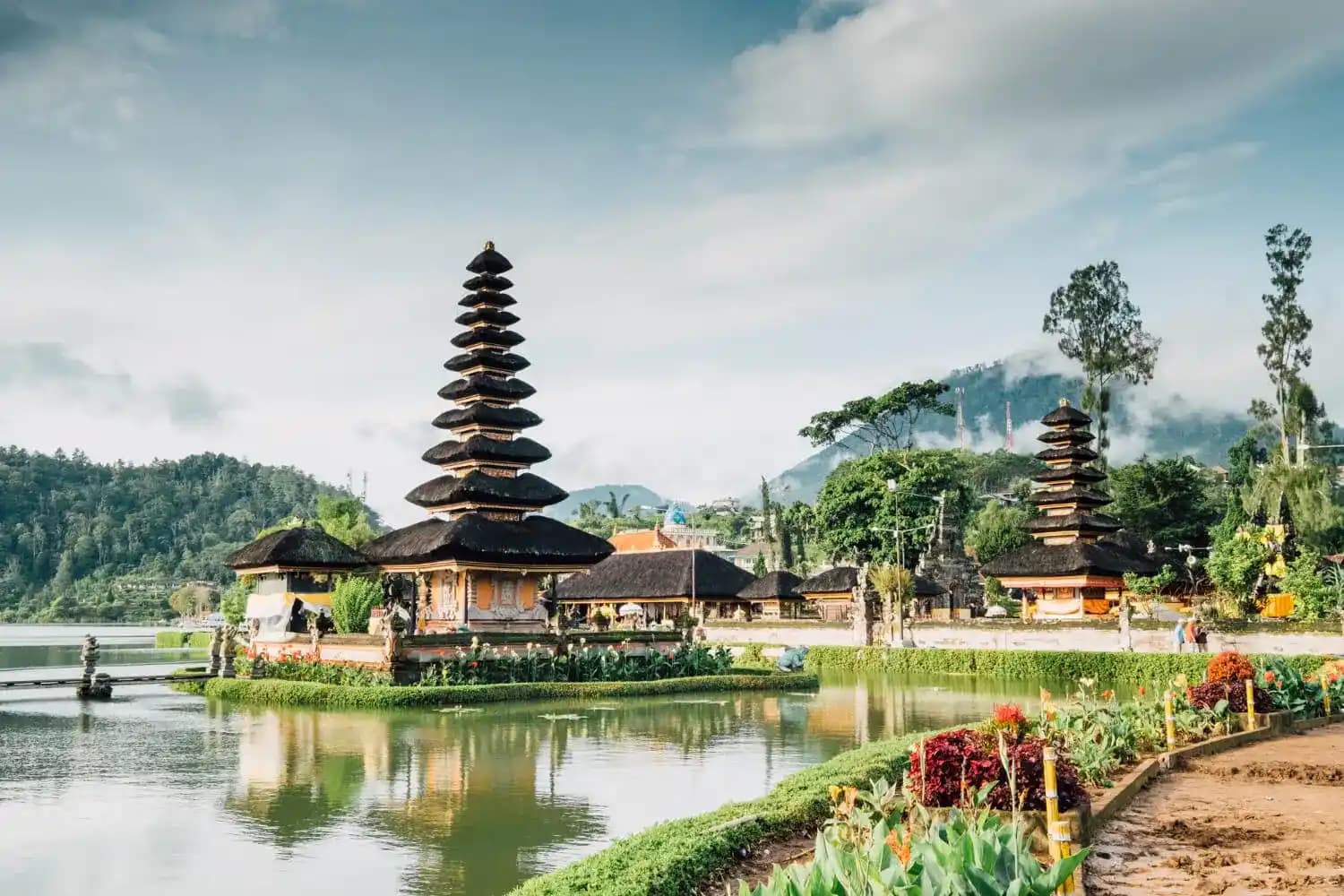

Explore Gyeongju - South Korea Travel, Asia
Gyeongju, often referred to as "the museum without walls," located in the southeastern corner of North Gyeongsang Province, South Korea. It is situated approximately 370 kilometers (230 miles) southeast of Seoul and 55 kilometers (34 miles) east of Daegu. The city covers an area of about 1,324 square kilometers (511 square miles) . As the former capital of the ancient Silla Kingdom, which ruled much of the Korean Peninsula from 57 BC to 935 AD, Gyeongju boasts a rich cultural heritage spanning over 1,000 years. The city is renowned for its exceptional concentration of archaeological sites, Buddhist art, and well-preserved historical artifacts.
Population: approximately 250,000 as of 2024.
Economy: Gyeongju's economy is diverse, primarily driven by tourism, manufacturing, and agriculture. As a major tourist destination, Gyeongju attracts visitors due to its rich historical heritage and archaeological sites, contributing significantly to the local economy.
Landmarks: Bulguksa Temple, Seokguram Grotto, Gyeongju National Museum, Tumuli Park, Gyeongju Historic Areas, Yangdong Folk Village.

Overview of Gyeongju
History & Culture Influence
Gyeongju's history dates back to the 2nd century BC, when it was established as the capital of the ancient Silla Kingdom. The city was home to the Silla court and aristocracy, and it became a center of art, culture, and learning. Many of Gyeongju's most famous historical sites, such as Bulguksa Temple and Seokguram Grotto, were constructed during this golden age of the Silla Kingdom. However, Gyeongju's prosperity was not to last. In 935 AD, the Silla Kingdom fell to the rising power of the Goryeo Dynasty. Despite no longer being the capital city, Gyeongju has left an indelible mark on Korean culture and history. The city is often referred to as "the museum without walls" due to its wealth of archaeological sites and cultural properties. Many of these sites, such as the Bulguksa Temple and Seokguram Grotto, have been designated as UNESCO World Heritage Sites.
Interaction with The Locals
While Gyeongju has a predominantly Korean population, the city is home to a diverse mix of ethnicities. This diversity is a result of its history as the capital of the Silla Kingdom, which ruled over the Korean peninsula for nearly a millennium. The city's long history has attracted people from various backgrounds, contributing to its vibrant cultural landscape. The locals are known for their hospitality and eagerness to share their rich cultural heritage with tourists. One of the best ways to interact with locals is by visiting Gyeongju's traditional markets. The vendors and shopkeepers are friendly and welcoming, often more than happy to chat with visitors and share their stories. Engaging in conversations with them not only provides an authentic experience but also offers insights into the local culture and products.

Top attractions in Gyeongju
As the former capital of the Silla Dynasty, which ruled much of the Korean Peninsula for nearly a millennium, Gyeongju offers visitors an unparalleled journey through time. This enchanting destination in South Korea's North Gyeongsang Province boasts an impressive array of UNESCO World Heritage sites, breathtaking landscapes, and living traditions that continue to thrive.
- Bulguksa Temple: Bulguksa Temple is one of Korea's most important Buddhist sites and a UNESCO World Heritage landmark. Visitors can explore stunning stone pagodas, intricate temple architecture, and serene gardens. For a more immersive experience, temple stay programs are available.
- Seokguram Grotto: Seokguram Grotto, located near Bulguksa Temple, houses a magnificent Buddha statue inside a man-made cave. Known for its sophisticated design, the grotto offers a peaceful environment where visitors can appreciate the beauty of Buddhist art and architecture.
- Gyeongju National Museum: The Gyeongju National Museum is home to an extensive collection of Silla Dynasty artifacts, including the iconic Emille Bell and the Golden Crown of Silla. Visitors can explore Korea’s ancient history through interactive exhibits and guided tours.
- Daereungwon Tomb Complex (Tumuli Park): The Daereungwon Tomb Complex features the grand burial mounds of Silla royalty. Cheonmachong, also known as the Heavenly Horse Tomb, is open for visitors to explore the inner chambers. The park is especially picturesque during cherry blossom season.
- Donggung Palace and Wolji Pond: Formerly called Anapji, Donggung Palace and Wolji Pond is a restored royal palace complex known for its stunning night views. The illuminated reflections on the pond create a magical experience for evening visitors, especially in the summer.
- Namsan Mountain: Namsan Mountain is often referred to as an "open-air museum" due to its countless Buddhist sculptures, pagodas, and carvings. It offers various hiking trails, leading to breathtaking viewpoints and historical landmarks scattered throughout the mountain.

Must-Try Dishes in Gyeongju
If you're visiting Gyeongju, don't miss the chance to try some of its must-try local dishes, each reflecting the city's rich history and culinary traditions.
- Gyeongju Bread (Gyeongju Ppang): Gyeongju Bread is a local specialty that dates back to the Silla Dynasty. These small, round breads are filled with a sweet red bean paste and have a distinctive shape resembling a pagoda or crown, representing the city's rich history. They are a popular snack and souvenir for visitors to Gyeongju.
- Gyeongju Jjim (Gyeongju-style Steamed Beef): Gyeongju is known for its high-quality, tender cuts of beef that are fit for a Silla king. Gyeongju Jjim is a slow-cooked, steamed beef dish that showcases these premium ingredients. The beef is marinated in a savory sauce and steamed until it melts in your mouth. It is often served with rice and banchan (side dishes).
- Gyeongju Tteok (Gyeongju-style Rice Cakes): Gyeongju Tteok are traditional rice cakes that come in various shapes and flavors. They are made from glutinous rice flour and often include ingredients like red beans, sesame seeds, or jujube. These chewy, sweet treats are a beloved part of Gyeongju's culinary heritage and are commonly enjoyed during festivals and celebrations.
- Gyeongju Beopju (Gyeongju Rice Wine): Gyeongju Beopju is a traditional rice wine with a history dating back to the Silla Dynasty. This clear, slightly sweet and sour wine is made using a unique brewing process that involves fermentation in earthenware pots. It is a popular accompaniment to meals and a great way to wind down after a day of sightseeing in Gyeongju.

Festivals & Local Celebrations
Gyeongju Cherry Blossom Festival
The Gyeongju Cherry Blossom Festival celebrates the stunning bloom of cherry trees, particularly around Bomun Lake and the Daereungwon Tomb Complex in late March to early April. Visitors can enjoy a picturesque setting filled with over 9,000 cherry trees, art exhibitions, live music, and cultural performances. The festival atmosphere is festive, making it a perfect time for photography and strolls among the blossoms.
Gyeongju World Culture Expo
The Gyeongju World Culture Expo is a large-scale cultural event that promotes global harmony through various artistic expressions. The expo features performances, exhibitions, and workshops that highlight the cultural diversity of different countries. Visitors can expect to experience a wide range of cultural activities, including traditional music, dance, and art displays, making it a vibrant celebration of global culture.
Silla Cultural Festival
The Silla Cultural Festival commemorates the legacy of the Silla Kingdom in October, which ruled for nearly a millennium. This festival includes traditional performances, reenactments of historical events, and various cultural activities that reflect the customs and traditions of the Silla period. Visitors can participate in workshops, enjoy traditional food, and watch performances that bring the history of Gyeongju to life.
Gyeongju Lotus Lantern Festival
Held in conjunction with Buddha's Birthday during May, the Gyeongju Lotus Lantern Festival features colorful lantern displays throughout the city. Visitors can participate in lantern-making workshops, enjoy traditional performances, and partake in the ceremonial procession. This festival offers a unique opportunity to experience Buddhist culture and the vibrant atmosphere of Gyeongju during this significant occasion.

What to Do in Gyeongju
Visitors to Gyeongju can enjoy a range of activities that blend outdoor adventures with cultural experiences. Here are some suggestions:
- Explore Tumuli Park (Daereungwon Tomb Park): Visitors can stroll through Tumuli Park, where they will find 23 ancient burial mounds of Silla royalty. The grassy hillocks provide a surreal landscape, and guests can enter some of the tombs for a unique sensory experience. This site offers a deep connection to the history of the Silla Dynasty, making it a must-visit for history enthusiasts.
- Hike Namsan Mountain: Namsan Mountain is a treasure trove of historical relics and natural beauty. Visitors can hike various trails that lead to ancient Buddhist statues and temples nestled among the trees. The hike is not only a physical adventure but also an opportunity to discover hundreds of hidden treasures, including the famous Maitreya Buddha statue. This experience combines outdoor activity with cultural exploration.
- Visit Donggung Palace and Wolji Pond: Donggung Palace, once the royal residence of the Silla crown prince, is beautifully situated next to Wolji Pond. Visitors can explore the palace grounds and enjoy the serene beauty of the pond. The site is particularly stunning at night when the palace is illuminated, creating a magical reflection in the water. This is a perfect spot for photography and relaxation.
- Enjoy the Gyeongju Cherry Blossom Festival: If visiting in spring, don't miss the Gyeongju Cherry Blossom Festival, typically held in late March to early April. Visitors can walk among thousands of blooming cherry trees, enjoy live traditional music, and partake in picnics by Bomun Lake. The festival atmosphere is vibrant, making it a delightful cultural experience.
- Sip Traditional Gyeongju Rice Wine: After a day of sightseeing, visitors can unwind by trying gyodong beopju, a traditional Gyeongju rice wine. This clear, subtly sweet beverage is perfect for relaxing and reflecting on the day's adventures. Many local restaurants and bars offer this specialty, providing a taste of Gyeongju's culinary heritage.

Weather in Gyeongju: Best Time to Visit
Gyeongju experiences a temperate climate with distinct seasons, making it essential for travelers to understand the weather patterns when planning their visit. Here’s an overview of the average temperatures, rainfall, best times to travel, and other relevant weather information.
Average Temperatures
- Winter (December to February): Average highs range from 5°C to 9°C (41°F to 48°F). Average lows can drop to -5°C (23°F) in January.
- Spring (March to May): Average highs increase from 12°C (54°F) in March to 23°C (73°F) in May. Average lows range from 1°C (34°F) in March to 11°C (52°F) in May.
- Summer (June to August): Average highs peak at 29°C to 30°C (84°F to 86°F). Average lows are around 21°C (70°F) during these months.
- Autumn (September to November): Average highs decrease from 25°C (77°F) in September to 14°C (57°F) in November. Average lows range from 10°C (50°F) in September to 3°C (37°F) in November.
Best Time to Travel
The best times to visit Gyeongju are during spring (April to May) and autumn (September to October). During these months, visitors can enjoy mild temperatures, beautiful natural scenery, and fewer crowds. Spring is particularly famous for cherry blossoms, while autumn showcases stunning fall foliage.

Essential Travel Information
Getting Around Gyeongju
- Public Buses: Gyeongju has a well-connected public bus system, with two main loop buses (Bus 10 and Bus 11) that cover major attractions. Bus 10: Known as the "Golden Line," it connects key sites such as Cheomseongdae, Donggung and Wolji Pond, and Bulguksa Temple.
- Taxis: Taxis are readily available and can be a convenient option for traveling within the city. Fares start at ₩2,800, with metered rates applying thereafter. There are no deluxe taxis in Gyeongju, making standard taxis the primary choice for visitors.
- Bicycle Rentals: Bicycles can be rented for a more leisurely exploration of the city, particularly along scenic routes around Bomun Lake and historical sites.
- Train Access: For those arriving from other cities, Gyeongju is accessible via the KTX high-speed train to Singyeongju Station, followed by a local bus or taxi to reach Gyeongju city center.
ATM and Banking Services
ATMs are widely available throughout Gyeongju, particularly in convenience stores, banks, and shopping areas. Most ATMs accept international cards, allowing visitors to withdraw cash easily. Banking hours typically run from 9 AM to 4 PM on weekdays, with some banks offering limited Saturday hours.
Where to Stay in Gyeongju
- Traditional Hanok Stays: For an immersive cultural experience, staying in a hanok (traditional Korean house) is a must. These beautifully preserved accommodations allow you to experience traditional Korean architecture and customs. These unique stays often feature traditional bedding, wooden interiors, and serene courtyards, providing a glimpse into ancient Korean living.
- Luxury Resorts: For those seeking comfort and luxury, Gyeongju has several upscale resorts. Offering premium amenities like spas, fine dining, and expansive views, these high-end stays provide the perfect retreat for relaxation after a day of sightseeing.
- Mid-Range Hotels: Gyeongju’s mid-range hotels offer a balance of affordability and comfort. Many are conveniently located near cultural sites making it easy for visitors to explore the city’s history. These hotels typically provide modern amenities like Wi-Fi, breakfast, and comfortable rooms at a reasonable price. They are great for travelers who want a comfortable stay without breaking the bank.
Articles for you

Explore Namhae: Top South Korea Travel Destinations
Namhae is an island county located in the South Gyeongsang Province of South Korea. Situated off the southern coast of the Korean Peninsula, approximately 60 kilometers from the city of Jinju. The county encompasses Namhae Island and several smaller islands, offering beautiful coastal views and diverse landscapes. Often referred to as the "Treasure Island" of Korea due to its breathtaking scenery, including mountains, beaches, and terraced rice fields. The region is ideal for outdoor activities such as hiking, kayaking, and fishing. The county is home to various cultural sites, including the famous Boriam Temple, which is one of the five most significant temples in South Korea, offering stunning views from its location atop Geumsan Mountain.
Population: Approximately 50,000 in 2024.
Economy: Tourism plays a significant role in Namhae's economy, with attractions such as the Namhae German Village, Boriam Temple, and the scenic terraced fields of Da-rang-yi Village drawing visitors year-round. Also renowned for its agricultural products, particularly high-quality garlic and rice. The region's fertile soil and favorable climate support various crops, making it a key area for farming in South Korea. Visitors can experience local farming practices and enjoy fresh produce at markets and restaurants.
Landmarks: Boriam Temple, Namhae Treasure Island Observatory, Namhae German Village, Da-rang-yi Terraced Rice Fields, Hallyeohaesang National Park, Geumsan Mountain

Explore Danyang: Top South Korea Travel & Asia Tweet Tours
Danyang, a picturesque county in South Korea, is located in North Chungcheong Province and is known for its stunning natural landscapes and rich cultural heritage. Situated approximately 150 kilometers (93 miles) southeast of Seoul, nestled in a mountainous region that includes parts of Sobaeksan National Park. The area is characterized by its beautiful rivers, valleys, and limestone caves.
Danyang is renowned for its breathtaking scenery, particularly the Danyanggang River, which provides opportunities for outdoor activities like hiking, cycling, and water sports. The county is also famous for its Gosu Cave, a spectacular limestone cave featuring impressive stalactites and stalagmites.
Craving an exceptional South Korea adventure? Explore our handpicked premium tours here for the ultimate experience.
Population: Approximately 800,000 in 2024.
Economy: Danyang is a popular tourist destination known for its stunning natural landscapes, including mountains, rivers, and caves. Attractions like Gosu Cave and the Danyanggang River draw visitors, contributing significantly to the local economy through hospitality, dining, and recreational activities.
The region surrounding Danyang is characterized by agricultural activities, with local farms producing various crops. This agricultural base supports local markets and contributes to the food supply for the area.
Landmarks: Gosu Cave, Danyanggang River, Sobaeksan National Park, Danyang Wine Tunnel, Guinsa Temple, Ondal Gwangwangji

Explore Goseong: Top South Korea Destinations in Asia
Goseong County, located in South Gyeongsang Province, South Korea, is notable for its rich history as the former capital of the ancient Sogaya kingdom and its stunning natural landscapes, including beautiful coastlines and mountains. Goseong is unique for being the historical capital of the ancient Gaya kingdom and features attractions like the Goseong Dinosaur Museum and the annual Sogaya Festival, celebrating its cultural heritage. The area is also renowned for its scenic coastlines, mountains, and agricultural products, making it an appealing destination for nature lovers and those interested in Korean history. You can enjoy outdoor activities, explore historical sites, and experience local cuisine, enhancing their overall travel experience in this culturally rich region.
Embark on a journey beyond the ordinary—discover our premium South Korea tours here for a truly unique travel experience.
Population: Estimate 30,000 people (as of 2024)
Economy: Goseong County's economy is characterized by a blend of agriculture, fishing, and tourism, reflecting its rich natural resources and historical significance. The county is known for its agricultural products, including rice, sweet persimmons, and various vegetables, which contribute to the local economy. Additionally, Goseong's coastal location supports a thriving fishing industry, with ports like Geojin and Gajin facilitating trade and seafood production.
Tourism plays a crucial role in Goseong's economy, driven by attractions such as the Goseong Dinosaur Museum, which showcases the region's paleontological significance, and the annual Sogaya Festival that celebrates its cultural heritage.
Landmarks: Goseong Dinosaur Museum, Sangjogam County Park, Danghangpo Tourist Resort, Mt. Yeonhwa Provincial Park, Goseong Ogwangdae (Korea Mask Dance Drama), Songhakdong Gobungun (Tombs of Gaya Period Leaders), Unheung Temple

Explore Gongju: Top South Korea Travel & Asia Tweet Tours
Gongju is a city located in South Chungcheong Province, South Korea, approximately 120 kilometers south of Seoul. Situated along the Geum River and is known for its rich historical and cultural heritage. Visitors can explore numerous archaeological sites and cultural relics from this period, including the UNESCO World Heritage-listed Baekje Historic Areas. The city is also known for its beautiful natural surroundings, including scenic mountains and rivers, making it an attractive destination for history enthusiasts and nature lovers alike. Additionally, Gongju hosts various cultural events and festivals that celebrate its rich heritage, further enhancing its appeal to visitors.
Craving an exceptional South Korea adventure? Explore our handpicked premium tours here for the ultimate experience.
Population: Approximately 105.000 people.
Economy: The local economy is primarily driven by agriculture, with the surrounding fertile land supporting the cultivation of various crops, including rice, fruits, and vegetables. Additionally, Gongju has developed a burgeoning tourism sector, capitalizing on its historical sites, such as the Baekje Historic Areas, which attract both domestic and international visitors.
Attractions: Gongsanseong Fortress, Songsan-ri Tombs, Gongju National Museum, Magoksa Temple, Gyeryongsan Mountain, Geumgang River

Explore Namhae: Top South Korea Travel Destinations
Namhae is an island county located in the South Gyeongsang Province of South Korea. Situated off the southern coast of the Korean Peninsula, approximately 60 kilometers from the city of Jinju. The county encompasses Namhae Island and several smaller islands, offering beautiful coastal views and diverse landscapes. Often referred to as the "Treasure Island" of Korea due to its breathtaking scenery, including mountains, beaches, and terraced rice fields. The region is ideal for outdoor activities such as hiking, kayaking, and fishing. The county is home to various cultural sites, including the famous Boriam Temple, which is one of the five most significant temples in South Korea, offering stunning views from its location atop Geumsan Mountain.
Population: Approximately 50,000 in 2024.
Economy: Tourism plays a significant role in Namhae's economy, with attractions such as the Namhae German Village, Boriam Temple, and the scenic terraced fields of Da-rang-yi Village drawing visitors year-round. Also renowned for its agricultural products, particularly high-quality garlic and rice. The region's fertile soil and favorable climate support various crops, making it a key area for farming in South Korea. Visitors can experience local farming practices and enjoy fresh produce at markets and restaurants.
Landmarks: Boriam Temple, Namhae Treasure Island Observatory, Namhae German Village, Da-rang-yi Terraced Rice Fields, Hallyeohaesang National Park, Geumsan Mountain

Explore Danyang: Top South Korea Travel & Asia Tweet Tours
Danyang, a picturesque county in South Korea, is located in North Chungcheong Province and is known for its stunning natural landscapes and rich cultural heritage. Situated approximately 150 kilometers (93 miles) southeast of Seoul, nestled in a mountainous region that includes parts of Sobaeksan National Park. The area is characterized by its beautiful rivers, valleys, and limestone caves.
Danyang is renowned for its breathtaking scenery, particularly the Danyanggang River, which provides opportunities for outdoor activities like hiking, cycling, and water sports. The county is also famous for its Gosu Cave, a spectacular limestone cave featuring impressive stalactites and stalagmites.
Craving an exceptional South Korea adventure? Explore our handpicked premium tours here for the ultimate experience.
Population: Approximately 800,000 in 2024.
Economy: Danyang is a popular tourist destination known for its stunning natural landscapes, including mountains, rivers, and caves. Attractions like Gosu Cave and the Danyanggang River draw visitors, contributing significantly to the local economy through hospitality, dining, and recreational activities.
The region surrounding Danyang is characterized by agricultural activities, with local farms producing various crops. This agricultural base supports local markets and contributes to the food supply for the area.
Landmarks: Gosu Cave, Danyanggang River, Sobaeksan National Park, Danyang Wine Tunnel, Guinsa Temple, Ondal Gwangwangji

Explore Goseong: Top South Korea Destinations in Asia
Goseong County, located in South Gyeongsang Province, South Korea, is notable for its rich history as the former capital of the ancient Sogaya kingdom and its stunning natural landscapes, including beautiful coastlines and mountains. Goseong is unique for being the historical capital of the ancient Gaya kingdom and features attractions like the Goseong Dinosaur Museum and the annual Sogaya Festival, celebrating its cultural heritage. The area is also renowned for its scenic coastlines, mountains, and agricultural products, making it an appealing destination for nature lovers and those interested in Korean history. You can enjoy outdoor activities, explore historical sites, and experience local cuisine, enhancing their overall travel experience in this culturally rich region.
Embark on a journey beyond the ordinary—discover our premium South Korea tours here for a truly unique travel experience.
Population: Estimate 30,000 people (as of 2024)
Economy: Goseong County's economy is characterized by a blend of agriculture, fishing, and tourism, reflecting its rich natural resources and historical significance. The county is known for its agricultural products, including rice, sweet persimmons, and various vegetables, which contribute to the local economy. Additionally, Goseong's coastal location supports a thriving fishing industry, with ports like Geojin and Gajin facilitating trade and seafood production.
Tourism plays a crucial role in Goseong's economy, driven by attractions such as the Goseong Dinosaur Museum, which showcases the region's paleontological significance, and the annual Sogaya Festival that celebrates its cultural heritage.
Landmarks: Goseong Dinosaur Museum, Sangjogam County Park, Danghangpo Tourist Resort, Mt. Yeonhwa Provincial Park, Goseong Ogwangdae (Korea Mask Dance Drama), Songhakdong Gobungun (Tombs of Gaya Period Leaders), Unheung Temple

Explore Gongju: Top South Korea Travel & Asia Tweet Tours
Gongju is a city located in South Chungcheong Province, South Korea, approximately 120 kilometers south of Seoul. Situated along the Geum River and is known for its rich historical and cultural heritage. Visitors can explore numerous archaeological sites and cultural relics from this period, including the UNESCO World Heritage-listed Baekje Historic Areas. The city is also known for its beautiful natural surroundings, including scenic mountains and rivers, making it an attractive destination for history enthusiasts and nature lovers alike. Additionally, Gongju hosts various cultural events and festivals that celebrate its rich heritage, further enhancing its appeal to visitors.
Craving an exceptional South Korea adventure? Explore our handpicked premium tours here for the ultimate experience.
Population: Approximately 105.000 people.
Economy: The local economy is primarily driven by agriculture, with the surrounding fertile land supporting the cultivation of various crops, including rice, fruits, and vegetables. Additionally, Gongju has developed a burgeoning tourism sector, capitalizing on its historical sites, such as the Baekje Historic Areas, which attract both domestic and international visitors.
Attractions: Gongsanseong Fortress, Songsan-ri Tombs, Gongju National Museum, Magoksa Temple, Gyeryongsan Mountain, Geumgang River
Our Best-Selling Tours
Follow Us