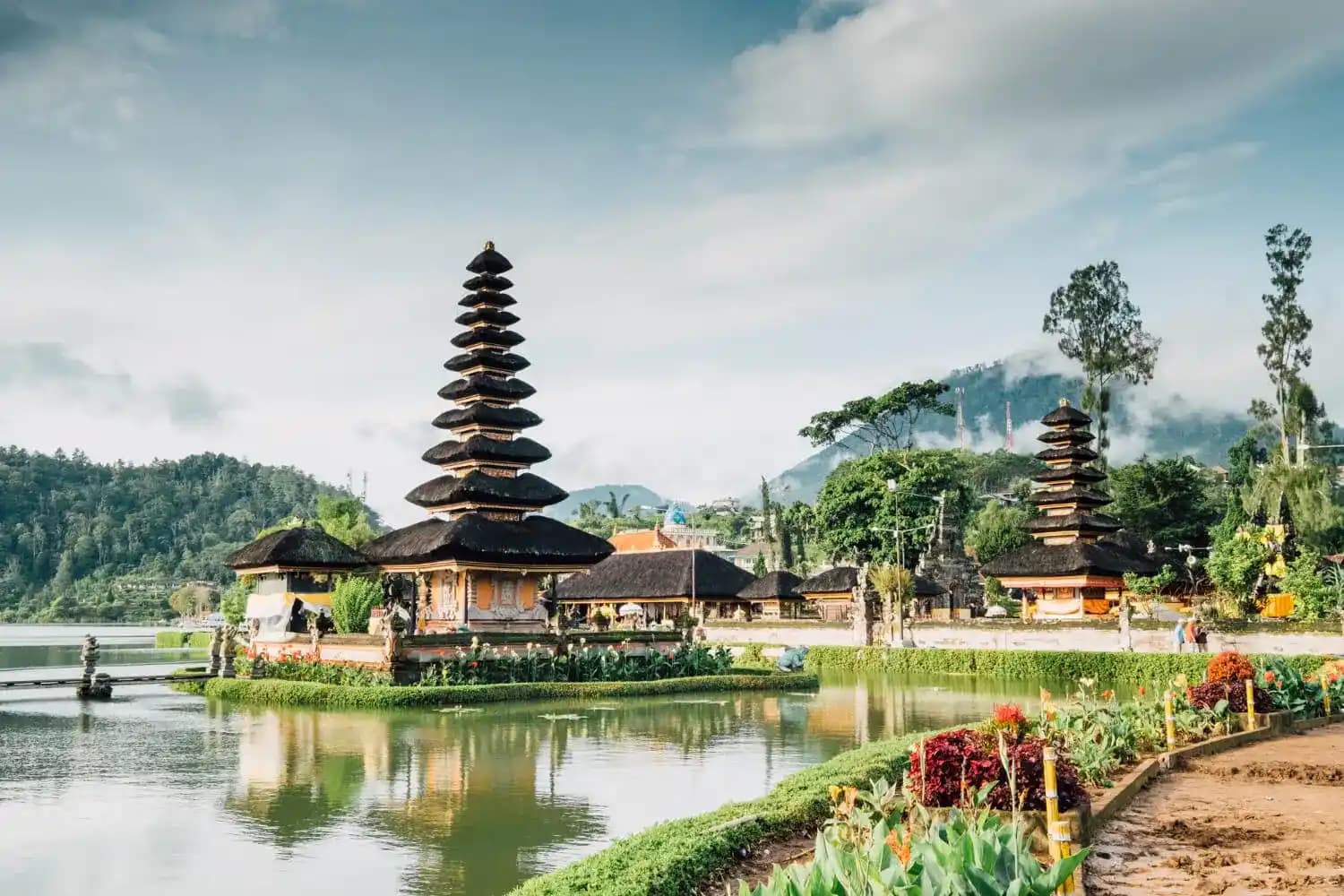

Explore Buyeo: Top South Korea Travel Destinations
Buyeo, a historic city located in the Chungcheongnam-do province of South Korea. This charming city is situated in the southwestern part of the country, along the banks of the Geum River, and is surrounded by beautiful mountains and natural landscapes. As the capital of the Baekje Kingdom, which thrived from 18 BC to AD 660, Buyeo is home to numerous historical sites that reflect its ancient glory. The city is recognized as a UNESCO World Heritage Site, with many remnants of Baekje's architectural and cultural achievements.
Buyeo hosts various festivals, including the Lotus Flower Festival, which attracts visitors to enjoy the blooming lotus flowers and participate in cultural activities.
Craving an exceptional South Korea adventure? Explore our handpicked premium tours here for the ultimate experience.
Population: approximately 80,000 as of 2024.
Economy: Tourism is a significant part of Buyeo's economy, with the city's historical sites and cultural events attracting visitors from across South Korea and abroad. The Baekje Cultural Land, Gungnamji Pond, and annual Lotus Flower Festival are major draws for tourists.
Landmarks: Gungnamji Pond, Baekje Cultural Land, Busosanseong Fortress, Jeongnimsa Temple, Nakhwaam Rock, Seodong Park, Royal Tombs in Neungsan-ri

Overview of Buyeo
History & Culture Influence
Buyeo served as the capital of the Baekje Kingdom from 538 to 660 AD, known then as Sabi. This period marked the height of Baekje's power and cultural development, influencing neighboring kingdoms such as Silla and Goguryeo. The city was a center for trade, politics, and culture, contributing significantly to the development of Korean civilization.
Buyeo is home to several UNESCO World Heritage Sites that celebrate its rich history, including the Baekje Historic Areas. These sites attract both domestic and international tourists, fostering a sense of pride among locals and highlighting the city's cultural significance.
The Baekje Kingdom is also known for its exquisite artistry, particularly in pottery and metalwork. Artifacts such as the gilt-bronze incense burner, which reflects the sophisticated craftsmanship of the time, are significant cultural treasures that continue to influence Korean art and culture today.
Interaction with The Locals
The local community is characterized by its strong ties to the region's history as the former capital of the Baekje Kingdom, which influences both the cultural identity and social interactions of its residents. Visitors can expect to engage in cultural exchanges, especially during local festivals and events. The Lotus Flower Festival, for instance, is a vibrant celebration where locals actively participate and welcome tourists to join in the festivities. While many locals may speak some basic English, especially in tourist areas, learning a few simple Korean phrases can enhance interactions and show respect for the local culture. This effort is often appreciated by residents.

Top attractions in Buyeo
Buyeo, a historical gem in South Korea, offers visitors a journey into the ancient Baekje Kingdom. Must-visit attractions include Baekje Cultural Land, where reconstructed palaces and temples bring history to life, and the scenic Gungnamji Pond, renowned for its stunning lotus flowers. For breathtaking views and a walk through history, Busosanseong Fortress provides an unforgettable experience of Korea’s cultural heritage.
Gungnamji Pond
Location: Seodong Park, south end of town near the General Gyebaek statue
Gungnamji Pond is a picturesque historical site, especially renowned for its vibrant lotus blossoms that bloom during the Seodong Lotus Flower Festival in July. A tranquil pavilion rests on an island in the middle of the pond, creating a serene escape surrounded by lush greenery, perfect for peaceful walks and nature photography.
Baekje Cultural Land
Location: 455 Baekjemun-ro, Gyuam-myeon, Buyeo, Chungcheongnam-do
Baekje Cultural Land offers visitors an immersive journey into the Baekje Kingdom’s past. This vast cultural complex features life-size reconstructions of ancient palaces, temples, and homes, along with a museum showcasing artifacts. It serves as both an educational hub and a historical treasure trove for those eager to explore Korea’s ancient heritage.
Busosanseong Fortress
Location: 31 Buso-ro, Buyeo-eup, Buyeo, Chungcheongnam-do
Perched on a mountain, Busosanseong Fortress offers stunning hiking trails with panoramic views of Buyeo and the surrounding landscape. Visitors can explore ancient pavilions and temples while learning about the fortress's role in Baekje's defense. The fortress also provides an idyllic setting for nature lovers and history enthusiasts alike.
Thinking of adding Goseong to your list? See why it stands out from other destinations right here in our article.
Jeongnimsa Temple Site
Location: 83, Jeongnim-ro, Buyeo-gun, Chungcheongnam-do
Once a grand temple during the Baekje period, the Jeongnimsa Temple Site now features a five-story stone pagoda, a masterpiece of Baekje architecture. The pagoda, known for its graceful design, stands as a testament to the kingdom’s craftsmanship and religious history, making it a must-visit for those interested in ancient Korean architecture.
Nakhwaam Rock
Location: Ssangbuk-ri, Buyeo-eup, Buyeo-gun, Chungcheongnam-do
Nakhwaam Rock is steeped in legend, marking the tragic site where Baekje’s royal women chose to leap to their deaths rather than face capture during the kingdom’s fall. The site offers breathtaking views of the Baekma River and holds deep historical significance, evoking reflections on the region’s storied past.
Seodong Park
Location: 169 Dongnam-ri, Buyeo-eup, Buyeo, Chungcheongnam-do
Seodong Park is a beautifully maintained space featuring lush gardens, walking trails, and sculptures that offer a perfect setting for relaxation. Popular during the blooming seasons, the park is an ideal spot for picnics or leisurely strolls amidst nature’s beauty.
National Museum of Buyeo
Location: 5 Geumseong-ro, Buyeo-eup, Buyeo, Chungcheongnam-do
The National Museum of Buyeo houses an impressive collection of Baekje-era relics, providing deep insights into the ancient kingdom's culture and history. Visitors can explore exhibits that range from pottery to royal artifacts, making it an essential stop for history buffs wanting to delve into Buyeo’s past.

Must-Try Dishes in Buyeo
When visiting Buyeo, don't miss the chance to try Kudurae Dolssambap, a nourishing meal of rice cooked in a hot stone pot, served with fresh vegetables and medicinal herbs for a truly authentic taste of the region. Another must-try is Yeonipbap, a traditional rice dish wrapped in lotus leaves, reflecting the royal heritage of the ancient Baekje Kingdom. For seafood lovers, Buyeo's spicy pollock roe stew offers a flavorful and hearty experience that highlights the region's coastal influences.
Kudurae Dolssambap
Kudurae Dolssambap is a signature dish of Buyeo, found along the popular Goodtrae Food Street. This hearty meal features rice cooked in a hot stone pot, served with an array of fresh vegetables and side dishes. The meal often includes medicinal plants, making it both a flavorful and nourishing experience that reflects Buyeo’s dedication to healthy, traditional cuisine.
Yeonipbap (연잎밥)
Yeonipbap, a traditional rice dish wrapped in fragrant lotus leaves, is a Buyeo specialty with roots in royal Baekje cuisine. Served with side dishes like fried fish and lotus roots, it carries historical significance, as lotus leaves were favored by ancient Korean royalty for their subtle flavor and symbolism of purity.
Ureong Ssambap (우렁쌈밥)
Ureong Ssambap showcases Buyeo’s unique take on ssambap (rice wraps) by featuring freshwater snails marinated in savory soybean paste. Typically served with a variety of fresh vegetables, this dish highlights Buyeo’s local ingredients and is a must-try for those seeking an authentic culinary experience.
Spicy Pollock Roe Stew with Rice
For seafood lovers, Buyeo’s spicy pollock roe stew offers a bold, flavorful experience. Made with rich pollock roe and cooked in a spicy broth, this dish is both comforting and satisfying. Often served with rice, it’s a favorite for those exploring Buyeo’s local seafood cuisine.
Ready to dive into the culture of Gongju? Check out our guide here for an insider's perspective on this amazing destination.

Festivals & Local Celebrations
Buyeo Seodong Lotus Festival
Time of Year: Annually in July
The Buyeo Seodong Lotus Festival is a colorful celebration of the blooming lotus flowers at Gungnamji Pond, showcasing nearly 50 different varieties. Visitors can partake in lotus-themed activities such as craft workshops, tea ceremonies, and even kayaking. A night parade and light show add a magical touch, enhancing the serene beauty of the pond. Rooted in the love story of Prince Seodong and Princess Seonhwa, the festival offers a blend of nature, culture, and romance.
Buyeo Baekje Cultural Festival
Time of Year: Usually in October
This festival brings to life the rich legacy of the ancient Baekje Kingdom with traditional performances, historical reenactments, and lively parades. Visitors can immerse themselves in Baekje's history through cultural exhibitions, traditional crafts, and local cuisine. The event not only celebrates Buyeo’s historical significance but also fosters a deeper appreciation for Korean heritage, making it a must-visit for history and culture enthusiasts.
Buyeo Seodong Park Lantern Festival
Time of Year: July (during Seodong Lotus Festival)
As night falls, Seodong Park comes alive with beautifully illuminated lanterns during the Lantern Festival. Visitors can explore the park's enchanting lantern displays, participate in cultural activities, and enjoy live performances. The glowing lanterns create a dreamy atmosphere, offering a delightful experience for families and tourists seeking a picturesque evening in Buyeo.

What to Do in Buyeo
Gungnamji Pond
Take a leisurely stroll around Gungnamji Pond, known for its beautiful lotus flowers that bloom in July during the Seodong Lotus Festival. The pond offers a serene environment for relaxation and appreciating nature.
Baekje Cultural Land
Explore the Baekje Cultural Land, an open-air museum that showcases the history and culture of the Baekje Kingdom. Visitors can see reconstructed palaces, temples, and participate in cultural activities to gain insights into Buyeo's rich heritage.
Busosanseong Fortress
Hike up to Busosanseong Fortress for panoramic views of the surrounding landscape. The fortress offers scenic walking trails and the opportunity to learn about Buyeo's military history.
Buyeo Seodong Lotus Festival
Visit Buyeo during the annual Seodong Lotus Festival in July to experience the vibrant celebrations. Attend cultural performances, participate in lotus-themed activities, and enjoy the stunning views of the blooming lotuses at Gungnamji Pond.
Amphibious Bus Tour
Take an amphibious bus tour that combines land and water exploration. The tour takes visitors along the Baengmangang River, offering views of historical sites like Goransa Temple and Nakhwaam Rock from the water.

Weather in Buyeo: Best Time to Visit
Buyeo experiences a humid subtropical climate, characterized by four distinct seasons. Here’s an overview of the weather patterns, average temperatures, rainfall, and the best time to travel to help visitors pack appropriately.
Average Temperatures
Spring (March to May): Average temperatures range from 8°C (46°F) in March to about 20°C (68°F) in May.
Summer (June to August): Average highs can reach between 26°C (79°F) and 30°C (86°F), with July being the hottest month.
Fall (September to November): Temperatures range from about 20°C (68°F) in September to 10°C (50°F) in November.
Winter (December to February): Average temperatures drop to around -1°C (30°F) to 5°C (41°F), with January being the coldest month.
Rainfall
Rainy Season: The majority of rainfall occurs during the summer months, particularly in July and August, which can see significant precipitation due to the monsoon season. Average monthly rainfall can exceed 200 mm during these months.
Dry Months: The months of December to February typically experience lower rainfall, making winter drier compared to other seasons.
Best Time to Travel
Spring (April to June): This is one of the best times to visit Buyeo, with pleasant temperatures ranging from 15°C to 25°C (59°F to 77°F) and blooming flowers, especially during the Seodong Lotus Festival in July.
Fall (September to October): Another ideal time to visit, with mild temperatures and beautiful autumn foliage. Average temperatures during this period are comfortable, typically ranging from 15°C to 22°C (59°F to 72°F).

Culture Etiquette in Buyeo
When visiting Buyeo, understanding local cultural etiquette and customs can enhance interactions with residents and create a more enjoyable experience. Here are some important points to consider:
Respect for Traditions
When visiting temples or historical sites, it's essential to dress modestly and show respect for the sacred surroundings. Be mindful to remove your shoes when required, and keep your voice low, especially in places of worship, to maintain the serene atmosphere.
Greetings
In Korea, a polite greeting goes a long way. A slight bow or saying "Annyeonghaseyo" (Hello) is a thoughtful way to show respect, especially to elders. This gesture is a key part of Korean culture, emphasizing politeness and respect.
Dining Etiquette
When sharing a meal, wait for the eldest person to begin eating before you start. It’s customary to use both hands when passing or receiving dishes or drinks, and avoid sticking your chopsticks upright in your rice—it’s considered bad luck as it resembles a funeral practice.
Photography Etiquette
Before taking photos of people, especially in rural areas or during cultural events, it's polite to ask for permission. This gesture respects local customs and personal privacy, ensuring a more positive interaction.

Essential Travel Information
Getting to and around Buyeo is relatively straightforward, with several transportation options available for visitors.
Airport Transfers
- From Incheon International Airport (ICN): Travelers can reach Buyeo by taking a bus or train from Incheon Airport, usually via Seoul. The total journey takes about 3.5 to 4 hours, with costs ranging from $25 to $35, depending on the mode of transport.
- Direct Transfers: For a quicker and more comfortable option, private transfers are available from Incheon Airport to Buyeo, taking around 2 to 2.5 hours. However, this service is pricier, starting at approximately 215 EUR.
Public Transit
- Buses: Buyeo is well-served by intercity buses from major cities like Seoul and Daejeon. The Buyeo Intercity Bus Terminal provides regular services, making travel to the city easy.
- Trains: Though Buyeo lacks a direct train station, visitors can take a train to Gongju Station and transfer to a local bus or taxi to reach their destination.
Taxis
Taxis: Local taxis are readily available and offer a convenient way to get around Buyeo. They operate on a metered fare system, and the fares are generally affordable for common routes within the city.
ATM Services
- Availability: Buyeo has several ATMs, including those from major banks, that support international cards, providing easy access to cash for travelers.
- Banking Facilities: Many hotels, such as Lotte Resort Buyeo, offer ATM services on-site, ensuring guests can easily access banking services without leaving their accommodations.
Accommodation Choices
- Lotte Resort Buyeo: This luxury resort offers modern amenities like a restaurant, fitness center, and spa. It’s conveniently located near Buyeo's key attractions, making it an excellent base for exploring the area.
- Buyeo Hanok Village: For an authentic cultural experience, guests can stay in traditional Korean hanoks, providing a unique opportunity to appreciate traditional architecture and local culture.
- Hotel W Buyeo: A modern hotel offering comfortable rooms and essential amenities, suitable for both business and leisure travelers, with easy access to local attractions.
- Buyeo Guesthouse: A budget-friendly guesthouse with dormitory and private rooms, providing a cozy, social atmosphere for travelers looking for an affordable yet comfortable stay.
Articles for you

Explore Namhae: Top South Korea Travel Destinations
Namhae is an island county located in the South Gyeongsang Province of South Korea. Situated off the southern coast of the Korean Peninsula, approximately 60 kilometers from the city of Jinju. The county encompasses Namhae Island and several smaller islands, offering beautiful coastal views and diverse landscapes. Often referred to as the "Treasure Island" of Korea due to its breathtaking scenery, including mountains, beaches, and terraced rice fields. The region is ideal for outdoor activities such as hiking, kayaking, and fishing. The county is home to various cultural sites, including the famous Boriam Temple, which is one of the five most significant temples in South Korea, offering stunning views from its location atop Geumsan Mountain.
Population: Approximately 50,000 in 2024.
Economy: Tourism plays a significant role in Namhae's economy, with attractions such as the Namhae German Village, Boriam Temple, and the scenic terraced fields of Da-rang-yi Village drawing visitors year-round. Also renowned for its agricultural products, particularly high-quality garlic and rice. The region's fertile soil and favorable climate support various crops, making it a key area for farming in South Korea. Visitors can experience local farming practices and enjoy fresh produce at markets and restaurants.
Landmarks: Boriam Temple, Namhae Treasure Island Observatory, Namhae German Village, Da-rang-yi Terraced Rice Fields, Hallyeohaesang National Park, Geumsan Mountain

Explore Suwon - South Korea Travel, Asia
Suwon, the capital of Gyeonggi Province in South Korea, is a vibrant city located just 30 kilometers (19 miles) south of Seoul. This is the largest city in the province, serving as a key political, economic, and cultural hub. One of Suwon’s most iconic landmarks is Hwaseong Fortress, a UNESCO World Heritage Site that showcases stunning late 18th-century Korean architecture and military ingenuity. Beyond its historical appeal, Suwon is famous for its galbi (marinated beef ribs), particularly wanggalbi, which draws food lovers from across the country. The city also hosts numerous cultural festivals and events throughout the year, offering visitors an immersive experience in Korean traditions, arts, and crafts. Surrounded by picturesque landscapes and well-maintained parks, Suwon is ideal for nature enthusiasts who enjoy outdoor activities like hiking. With modern amenities, including an efficient public transit system and a thriving sports scene,
Population Approximately 1.2 million (as of 2024).
Economy: Suwon is home to the headquarters of Samsung Electronics, South Korea's largest and most profitable company. Suwon's economy is characterized by its strong focus on technology, support for small businesses, and commitment to education and sustainability. These factors not only drive economic growth but also create a vibrant environment for visitors, making it an engaging place to explore. Travelers can appreciate the blend of modern industry and historical significance that defines Suwon's unique character.
Cultural Significance: Hwaseong Fortress, Suwon World Cup Stadium, Korean Folk Village, Mr. Toilet House, Suwon Hwaseong Museum, Manseok Park, Suwon First Church

Explore Gwangju - South Korea Travel, Asia
Gwangju is a vibrant metropolitan city located in the southwestern part of South Korea. It is situated at an elevation of approximately 43 meters above sea level and covers an area of about 501 square kilometers. Travelers are drawn to Gwangju for its fascinating history, vibrant arts scene, and beautiful natural surroundings. The city's commitment to democracy and human rights, as exemplified by the May 18th Memorial, also makes it a compelling destination for those interested in social justice movements.
Population: Estimate 1.5 million people (as of 2024)
Economy: Gwangju's economy is driven by its strong manufacturing sector, particularly in automotive and electronics industries. The city is also a hub for arts, culture, and innovation, with growing investments in green energy and smart city projects, fostering sustainable development.
Cultural Significance: Mudeungsan National Park, May 18th National Cemetery, Gwangju National Museum, Gwangju Folk Museum, Jeungsimsa Temple, Asia Culture Center, Gwangju Science Center, 1913 Songjeong Station Market

Explore Paju - South Korea Travel, Asia
Paju is a city located in Gyeonggi Province, South Korea, situated just northwest of Seoul and just south of the Korean Demilitarized Zone (DMZ) near Panmunjeom, along the 38th parallel. Covering an area of approximately 672.78 km² (259.76 sq mi), Paju stands as a poignant reminder of the Korean Peninsula's complex history. This city has witnessed the ebb and flow of conflict and peace, emerging as a unique destination that blends historical significance with contemporary cultural richness.
Population: Approximately 440,000 in 2024.
Economy: Paju's economy is diverse, with a strong emphasis on the publishing industry. It is famously known as the center of book publishing in South Korea, housing Paju Book City, which includes around 900 businesses related to the book industry, such as printing firms, distribution companies, and design studios. This hub was established to consolidate the fragmented book sector and has been pivotal in modernizing South Korea's publishing landscape.
Landmarks: Paju Book City, Heyri Art Village, Odusan Unification Observatory, Dorasan Station, Imjingak Park.

Explore Namhae: Top South Korea Travel Destinations
Namhae is an island county located in the South Gyeongsang Province of South Korea. Situated off the southern coast of the Korean Peninsula, approximately 60 kilometers from the city of Jinju. The county encompasses Namhae Island and several smaller islands, offering beautiful coastal views and diverse landscapes. Often referred to as the "Treasure Island" of Korea due to its breathtaking scenery, including mountains, beaches, and terraced rice fields. The region is ideal for outdoor activities such as hiking, kayaking, and fishing. The county is home to various cultural sites, including the famous Boriam Temple, which is one of the five most significant temples in South Korea, offering stunning views from its location atop Geumsan Mountain.
Population: Approximately 50,000 in 2024.
Economy: Tourism plays a significant role in Namhae's economy, with attractions such as the Namhae German Village, Boriam Temple, and the scenic terraced fields of Da-rang-yi Village drawing visitors year-round. Also renowned for its agricultural products, particularly high-quality garlic and rice. The region's fertile soil and favorable climate support various crops, making it a key area for farming in South Korea. Visitors can experience local farming practices and enjoy fresh produce at markets and restaurants.
Landmarks: Boriam Temple, Namhae Treasure Island Observatory, Namhae German Village, Da-rang-yi Terraced Rice Fields, Hallyeohaesang National Park, Geumsan Mountain


Our Best-Selling Tours
Follow Us