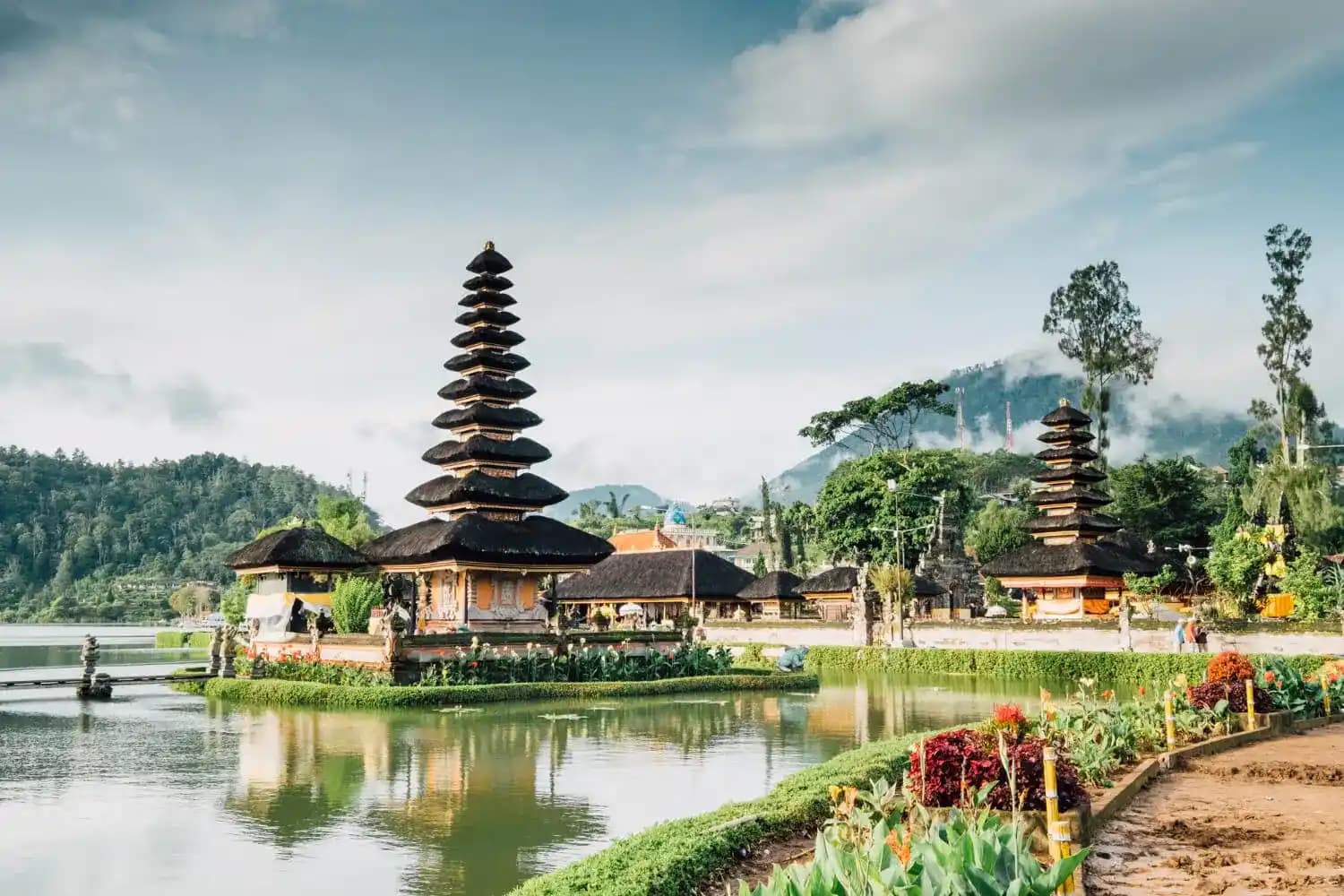

Explore Suncheon - South Korea Travel, Asia
Suncheon, is a city known for its rich natural beauty, cultural heritage, and agricultural significance. Located in South Jeolla Province in southern South Korea, approximately 40 minutes north of the port city of Yeosu. The city is surrounded by mountains and is near the coast, providing a scenic backdrop and favorable conditions for agriculture and tourism. Its history stretches back to ancient times, having been part of the Mahan territory before going through several name changes during the Baekje, Unified Silla, and Goryeo periods. In 1413, it officially became Suncheon Dohobu during the Joseon Dynasty. A notable moment in its modern history is the Yeosu-Suncheon Rebellion in 1948, a significant uprising against the South Korean government.
Seeking a tailored South Korea adventure? Explore our premium Japan tour offerings here.
Population: approximately 280,000 as of 2024.
Economy: Suncheon has developed a strong tourism sector, attracting visitors to its natural attractions, such as Suncheon Bay and the Suncheon Bay National Garden. The city hosted the 2013 Suncheon Garden Expo, which showcased its commitment to green industry and sustainable tourism. The Suncheon Bay Wetland Reserve is also a major draw for eco-tourism.
Landmarks: Suncheon Bay National Garden, Suncheon Bay Wetland Reserve, Nagan Eupseong Folk Village, Suncheonman Bay Ecological Park, Deep-Rooted Tree Museum, Suncheon Open Film Location

Overview of Suncheon
History & Culture Influence
Suncheon has a rich history that dates back to the Era of Samhan when it was part of the Mahan Confederacy. Throughout the Three Kingdoms period, it was known as a territory of Baekje, and later, during the Unified Silla, it became known as Seungpyeong-gun in 757. The city underwent various name changes and administrative reorganizations over the centuries, reflecting its evolving role in Korean history. In the modern era, Suncheon experienced significant turmoil during the Yeosu-Suncheon Rebellion in 1948, a pivotal event in Korean history that highlighted social and political tensions in the post-liberation period. This rebellion influenced local governance and community dynamics. Suncheon's cultural identity is shaped by its historical significance and natural beauty. The city is known for its commitment to environmental sustainability, particularly through the conservation of Suncheon Bay, recognized for its rich biodiversity and ecological value.
Interaction with The Locals
The city's population is relatively homogeneous, reflecting the overall demographic trends in South Korea. Suncheon is a popular tourist destination, particularly for its natural attractions such as Suncheon Bay and Suncheon Bay National Garden. As a result, locals are accustomed to interacting with visitors and are generally friendly and helpful. The city's focus on ecotourism and sustainable development has fostered a positive attitude towards tourists who appreciate and respect the local environment.

Top attractions in Suncheon
Suncheon Bay National Garden
Suncheon Bay National Garden is a breathtaking 1.12 km² garden that was established to protect the delicate Suncheon Bay wetlands. This sprawling garden boasts an impressive collection of themed areas such as the Arboretum, World Garden Zone, and Wetland Zone. With over 860,000 trees and 650,000 vibrant flowers, it’s a must-see destination in every season, offering stunning displays of nature. The garden also serves as a gateway to the nearby wetlands, making it a perfect starting point for eco-friendly travelers.
Suncheon Bay Wetland Reserve
Home to an incredible variety of wildlife, Suncheon Bay Wetland Reserve is one of South Korea’s most significant coastal wetlands. Visitors can explore scenic walking trails and observation decks to take in the beauty of this thriving ecosystem, which houses over 1,400 species of plants and animals. A unique feature is the Sky Cube, a personal rapid transit system that conveniently connects the wetland reserve to the Suncheon Bay National Garden, offering an eco-friendly and scenic ride.
Nagan Eupseong Folk Village
Step back in time at Nagan Eupseong Folk Village, one of Korea's best-preserved traditional villages from the Joseon Dynasty. The village is surrounded by an ancient fortress wall and dotted with thatched-roof houses, showcasing authentic Korean architecture. Visitors can immerse themselves in the historical ambiance, experiencing traditional crafts, local foods, and scenic views of the surrounding landscape.
Jogyesan Mountain
Jogyesan Mountain offers nature lovers an escape into beautiful landscapes, serene hiking trails, and cultural history. One of the highlights of the area is Seonamsa Temple, a stunning Buddhist temple with a history dating back to the 9th century. The mountain’s peaceful environment, combined with its scenic beauty, makes it a perfect destination for those looking to hike, reflect, or explore Korea's spiritual heritage.

Must-Try Dishes in Suncheon
Suncheon offers a variety of must-try dishes that showcase the region's fresh ingredients and culinary heritage and highlight the unique Suncheon's coastal flavors.
- Suncheon Bibimbap: Suncheon Bibimbap is a must-try dish that perfectly represents the region’s fresh produce and culinary style. This colorful meal combines seasoned vegetables, beef, and a raw or fried egg, all beautifully arranged over warm white rice. Often accompanied by Suncheon’s famous namul (seasoned vegetables), the dish is both a feast for the eyes and a harmonious blend of flavors.
- Suncheon Makguksu: A refreshing favorite during the hot summer months, Suncheon Makguksu is a cold buckwheat noodle dish served with toppings like cucumber, boiled egg, and spicy gochujang sauce. The light, chilled broth makes this dish a perfect choice for cooling down, and it can be found in many of Suncheon’s local restaurants.
- Suncheon Pork Rice Soup: This comforting soup, known for its clean, non-greasy flavor, is made with tender pork, bean sprouts, and rice simmered in a savory broth. Often served with boiled pork as a side dish, Suncheon Pork Rice Soup is a local favorite for breakfast or lunch, and it’s renowned for its ability to cure hangovers.
- Suncheon Cockle Dishes: Known for its high-quality seafood, Suncheon boasts some of the best cockle dishes in Korea. Visitors can enjoy a variety of preparations, including sweet and sour cockle salad, steamed cockles, and blanched cockles served with rice, highlighting the city’s coastal bounty and fresh flavors.
- Suncheon Mudskipper Fish Soup: Mudskipper fish, found in Suncheon Bay’s mudflats, is the star of this spicy soup, believed to boost health and relieve travel fatigue. Boiled with vegetables and spices, Suncheon Mudskipper Fish Soup offers a unique, nutritious experience for adventurous food lovers.
Curious about the scenic beauty of Buyeo? Find out what makes it so special here in our in-depth travel guide.

Festivals & Local Celebrations
- Suncheon Bay Reed Festival: Celebrate the breathtaking beauty of Suncheon Bay’s golden reeds during this vibrant festival. Visitors can enjoy a range of cultural performances, art exhibitions, and interactive activities, all set against the stunning backdrop of one of Korea’s most significant wetlands.
- Suncheon Cultural Heritage Night: Immerse yourself in Korean traditions at Suncheon Cultural Heritage Night, where you can experience live performances, traditional crafts, and authentic cuisine. This evening event brings to life the rich cultural legacy of Suncheon and its surrounding regions.
- Suncheon Food & Art Festival: This lively festival blends the best of Suncheon’s culinary scene with local artistic talent. Visitors can indulge in delicious regional dishes while enjoying art exhibitions and live performances that showcase the creative spirit of the city.
- Naganeupseong Folk Village Culture Festival: Step back in time at the Naganeupseong Folk Village Culture Festival, where traditional games, performances, and hands-on workshops celebrate the cultural history of Suncheon. The historic village provides a perfect setting for this unique cultural experience.
- Starlight Festival: For astronomy lovers, the Starlight Festival offers an unforgettable night of stargazing, educational talks, and interactive activities. Set beneath the clear skies of Suncheon, this festival showcases the beauty of the stars while offering a peaceful escape into nature.

What to Do in Suncheon
- Explore Suncheon Bay Wetland Reserve: Visitors can enjoy the stunning natural beauty of the Suncheon Bay Wetland Reserve, which is home to diverse flora and fauna. The reserve offers walking trails and observation points for birdwatching, especially during migratory seasons. This eco-friendly destination is perfect for nature lovers and photographers.
- Visit Nagan Eupseong Folk Village: Nagan Eupseong Folk Village is a well-preserved traditional village that provides a glimpse into Korea's past. Visitors can explore thatched-roof houses, fortress walls, and experience traditional Korean culture. The village often hosts cultural events and workshops, allowing tourists to engage with local customs.
- Hike Jogyesan Mountain: For outdoor enthusiasts, hiking Jogyesan Mountain offers beautiful views and a chance to connect with nature. The trails vary in difficulty, making it accessible for different skill levels. The mountain is also home to the serene Songgwangsa Temple, adding a cultural element to the hike.
- Tour the Suncheon Open Film Set: The Suncheon Open Film Set is an outdoor film set that recreates urban and rural scenes from the 1950s to 1970s. Visitors can explore the various sets used in popular Korean dramas and films, making it a unique experience for fans of Korean cinema. Guided tours are available, providing insights into the filmmaking process.
- Enjoy Local Cuisine: Suncheon is known for its delicious local dishes, including Suncheon Bibimbap and fresh seafood. Visitors can explore local markets and restaurants to sample traditional Korean cuisine. The vibrant food scene offers a chance to experience the flavors of the region.

Weather in Suncheon: Best Time to Visit
Average Temperatures
- Summer (June to August): Average highs range from 25°C (77°F) in June to 30°C (86°F) in August. Average lows are around 21-22°C (70-72°F) during these months.
- Autumn (September to November): Average highs decrease from 27°C (81°F) in September to 14°C (57°F) in November. Average lows range from 17°C (63°F) in September to 4°C (39°F) in November.
- Winter (December to February): Average highs range from 6°C (43°F) in January to 11°C (52°F) in February. Average lows can drop to -1°C (30°F) in January.
- Spring (March to May): Average highs increase from 12°C (54°F) in March to 22°C (72°F) in May. Average lows range from 2°C (36°F) in March to 13°C (55°F) in May.
Best Time to Travel
The best times to visit Suncheon are during spring (April to May) and autumn (September to October). During these months, visitors can enjoy mild temperatures, beautiful natural scenery, and fewer crowds. Spring is particularly famous for cherry blossoms, while autumn showcases stunning fall foliage.
Looking to add more adventure to your journey? Danyang awaits with unique experiences—explore more here.

Essential Travel Information
Getting Around Suncheon
- Train Services: Suncheon is accessible via the KTX and regular trains. From Gwangju Songjeong Station, there are trains that run to Suncheon Station, taking about 1 hour .
- Public Transit: Frequent intercity buses operate from major cities like Gwangju and Yeosu to Suncheon. The bus ride from Gwangju takes approximately 1 hour and 30 minutes. Tickets can be reserved online .
- Buses: Suncheon has a reliable public bus system that connects major attractions and neighborhoods. Buses are a convenient way to navigate the city.
- Taxis: Taxis are widely available throughout Suncheon. They are a convenient option for getting around, especially for visitors with luggage or those traveling in groups. Fares start at approximately ₩3,800, with metered rates applying thereafter.
ATM & Banking Services
In Suncheon, accessing banking services is convenient for both locals and travelers. Numerous ATMs are scattered throughout the city, providing easy withdrawal of cash in various currencies. Major banks have branches in key areas, offering services such as currency exchange, account management, and financial consultations. Many establishments, including restaurants and shops, accept credit and debit cards, making transactions hassle-free.
Where to Stay in Suncheon
- Luxury Resorts: If you're looking to indulge, Suncheon offers upscale resorts that provide premium services and stunning views of the surrounding landscapes. These luxury accommodations often feature spa facilities, fine dining restaurants, and spacious rooms with modern amenities.
- Eco-Friendly Lodgings: Given Suncheon's commitment to sustainability and nature conservation, eco-friendly accommodations are becoming increasingly popular. These lodgings prioritize environmentally friendly practices, offering guests a chance to enjoy a guilt-free stay amidst nature.
- Traditional Hanok Stays: These charming accommodations allow you to immerse yourself in the local culture and enjoy unique architectural features. Many hanok stays are located near attractions such as the Suncheon Bay National Garden and the Nagan Eupseong Folk Village, providing a tranquil retreat after a day of exploring.
Articles for you

Explore Pohang: Top South Korea Travel Destinations
Pohang is a major industrial city located on the east coast of South Korea in North Gyeongsang Province, approximately 110 km (70 mi) north of Busan and 360 km (230 mi) southeast of Seoul. Renowned for its steel production, primarily through POSCO, one of the world's largest steel companies, Pohang also offers stunning coastal landscapes, including Yeongildae Beach and the iconic Homigot Sunrise Square, home to the "Hands of Harmony" sculptures symbolizing peace and hope. Travelers are drawn to the city's vibrant seafood culture, best experienced at the bustling Jukdo Fish Market. Additionally, Pohang hosts the annual Steel Art Festival, celebrating the city's unique blend of art and industry, making it a captivating destination for both cultural and natural attractions.
Looking for an unforgettable journey through South Korea? Explore our premium tours here and start planning your adventure
Population: Estimate 500,000 people (as of 2024)
Economy: Pohang is primarily known for its steel industry, with POSCO (Pohang Steel Company) being one of the largest steel producers globally, contributing to both local and national economic growth. The city's economy also includes food, textile, and metal industries, alongside a robust fishing sector due to its proximity to the Sea of Japan. Agricultural products such as grapes, persimmons, and garlic chives are also cultivated in the region.
Landmarks: Hwanho Park Space Walk, Jukdo Fish Market, Hwanho Sunrise Park, Yeongildae Beach, Yeongildae Maritime Pavilion (Floating Pavilion), POSCO Art Museum, Homigot Sunrise Square

Explore Gongju: Top South Korea Travel & Asia Tweet Tours
Gongju is a city located in South Chungcheong Province, South Korea, approximately 120 kilometers south of Seoul. Situated along the Geum River and is known for its rich historical and cultural heritage. Visitors can explore numerous archaeological sites and cultural relics from this period, including the UNESCO World Heritage-listed Baekje Historic Areas. The city is also known for its beautiful natural surroundings, including scenic mountains and rivers, making it an attractive destination for history enthusiasts and nature lovers alike. Additionally, Gongju hosts various cultural events and festivals that celebrate its rich heritage, further enhancing its appeal to visitors.
Craving an exceptional South Korea adventure? Explore our handpicked premium tours here for the ultimate experience.
Population: Approximately 105.000 people.
Economy: The local economy is primarily driven by agriculture, with the surrounding fertile land supporting the cultivation of various crops, including rice, fruits, and vegetables. Additionally, Gongju has developed a burgeoning tourism sector, capitalizing on its historical sites, such as the Baekje Historic Areas, which attract both domestic and international visitors.
Attractions: Gongsanseong Fortress, Songsan-ri Tombs, Gongju National Museum, Magoksa Temple, Gyeryongsan Mountain, Geumgang River

Explore Andong - South Korea Travel, Asia
Andong, often referred to as the "Capital of Korean Spiritual Culture," is a historic city located in North Gyeongsang Province, South Korea. Situated approximately 260 kilometers southeast of Seoul, Andong is renowned for its preservation of traditional Korean culture and Confucian heritage. The city's history dates back to the Three Kingdoms period, and it has been a center of Korean Confucianism since the Joseon Dynasty. Andong has preserved many aspects of traditional Korean culture for over 2,000 years. The city is characterized by its rich heritage, including UNESCO World Heritage Sites and vibrant local festivals.
Population: approximately 160,000 as of 2024.
Economy: Andong's economy is centered around agriculture, traditional crafts, and tourism. Known for its cultural heritage and Hahoe Folk Village, Andong attracts visitors seeking authentic Korean experiences, boosting local businesses and food production.
Landmarks: Hahoe Folk Village, Byeongsan Seowon, Bongjeongsa Temple,Andong Soju & Traditional Food Museum, Woryeonggyo Bridge, Andong Open Air Folk Museum

Explore Gyeongju - South Korea Travel, Asia
Gyeongju, often referred to as "the museum without walls," located in the southeastern corner of North Gyeongsang Province, South Korea. It is situated approximately 370 kilometers (230 miles) southeast of Seoul and 55 kilometers (34 miles) east of Daegu. The city covers an area of about 1,324 square kilometers (511 square miles) . As the former capital of the ancient Silla Kingdom, which ruled much of the Korean Peninsula from 57 BC to 935 AD, Gyeongju boasts a rich cultural heritage spanning over 1,000 years. The city is renowned for its exceptional concentration of archaeological sites, Buddhist art, and well-preserved historical artifacts.
Population: approximately 250,000 as of 2024.
Economy: Gyeongju's economy is diverse, primarily driven by tourism, manufacturing, and agriculture. As a major tourist destination, Gyeongju attracts visitors due to its rich historical heritage and archaeological sites, contributing significantly to the local economy.
Landmarks: Bulguksa Temple, Seokguram Grotto, Gyeongju National Museum, Tumuli Park, Gyeongju Historic Areas, Yangdong Folk Village.

Explore Pohang: Top South Korea Travel Destinations
Pohang is a major industrial city located on the east coast of South Korea in North Gyeongsang Province, approximately 110 km (70 mi) north of Busan and 360 km (230 mi) southeast of Seoul. Renowned for its steel production, primarily through POSCO, one of the world's largest steel companies, Pohang also offers stunning coastal landscapes, including Yeongildae Beach and the iconic Homigot Sunrise Square, home to the "Hands of Harmony" sculptures symbolizing peace and hope. Travelers are drawn to the city's vibrant seafood culture, best experienced at the bustling Jukdo Fish Market. Additionally, Pohang hosts the annual Steel Art Festival, celebrating the city's unique blend of art and industry, making it a captivating destination for both cultural and natural attractions.
Looking for an unforgettable journey through South Korea? Explore our premium tours here and start planning your adventure
Population: Estimate 500,000 people (as of 2024)
Economy: Pohang is primarily known for its steel industry, with POSCO (Pohang Steel Company) being one of the largest steel producers globally, contributing to both local and national economic growth. The city's economy also includes food, textile, and metal industries, alongside a robust fishing sector due to its proximity to the Sea of Japan. Agricultural products such as grapes, persimmons, and garlic chives are also cultivated in the region.
Landmarks: Hwanho Park Space Walk, Jukdo Fish Market, Hwanho Sunrise Park, Yeongildae Beach, Yeongildae Maritime Pavilion (Floating Pavilion), POSCO Art Museum, Homigot Sunrise Square

Explore Gongju: Top South Korea Travel & Asia Tweet Tours
Gongju is a city located in South Chungcheong Province, South Korea, approximately 120 kilometers south of Seoul. Situated along the Geum River and is known for its rich historical and cultural heritage. Visitors can explore numerous archaeological sites and cultural relics from this period, including the UNESCO World Heritage-listed Baekje Historic Areas. The city is also known for its beautiful natural surroundings, including scenic mountains and rivers, making it an attractive destination for history enthusiasts and nature lovers alike. Additionally, Gongju hosts various cultural events and festivals that celebrate its rich heritage, further enhancing its appeal to visitors.
Craving an exceptional South Korea adventure? Explore our handpicked premium tours here for the ultimate experience.
Population: Approximately 105.000 people.
Economy: The local economy is primarily driven by agriculture, with the surrounding fertile land supporting the cultivation of various crops, including rice, fruits, and vegetables. Additionally, Gongju has developed a burgeoning tourism sector, capitalizing on its historical sites, such as the Baekje Historic Areas, which attract both domestic and international visitors.
Attractions: Gongsanseong Fortress, Songsan-ri Tombs, Gongju National Museum, Magoksa Temple, Gyeryongsan Mountain, Geumgang River


Our Best-Selling Tours
Follow Us