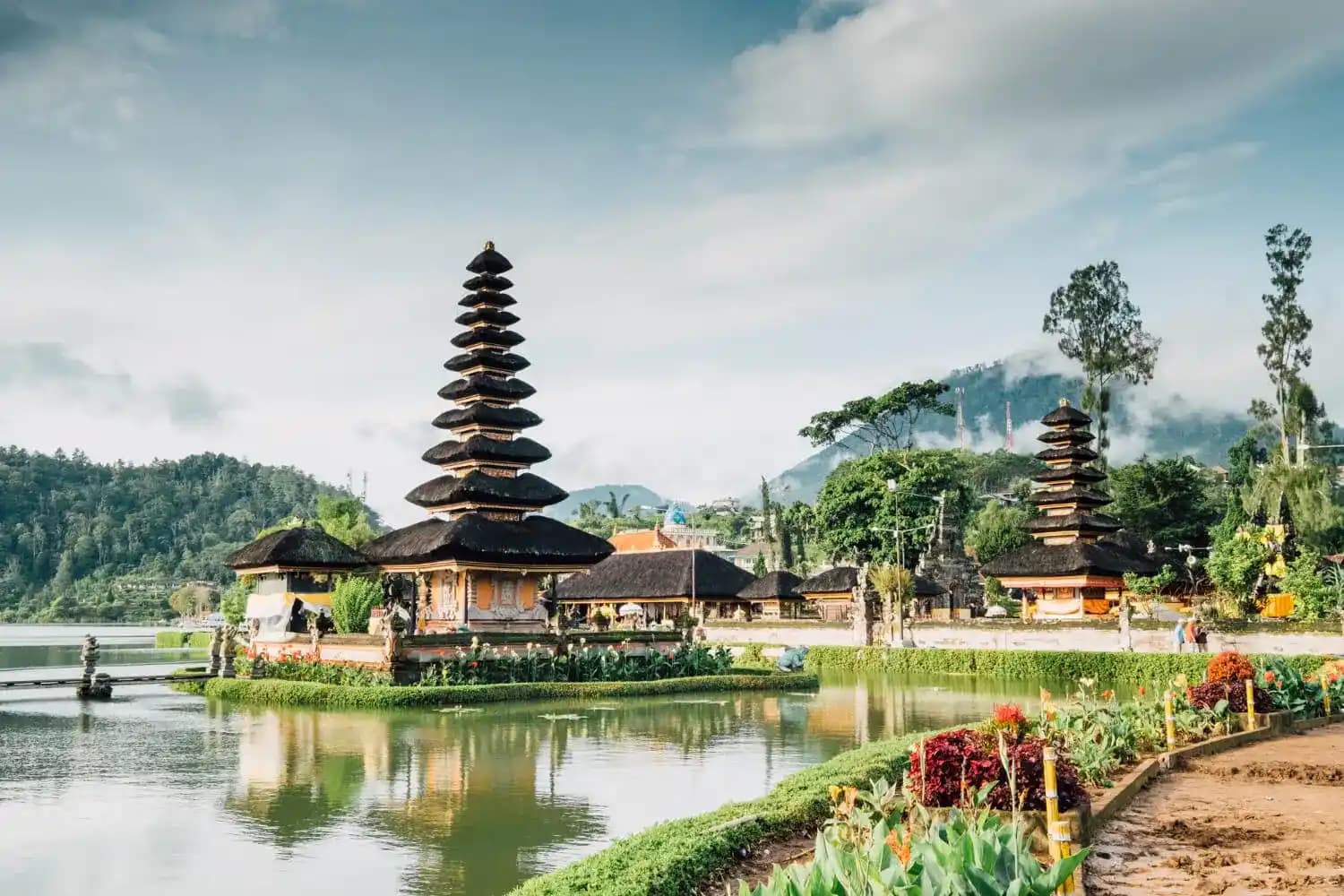

Explore Andong - South Korea Travel, Asia
Andong, often referred to as the "Capital of Korean Spiritual Culture," is a historic city located in North Gyeongsang Province, South Korea. Situated approximately 260 kilometers southeast of Seoul, Andong is renowned for its preservation of traditional Korean culture and Confucian heritage. The city's history dates back to the Three Kingdoms period, and it has been a center of Korean Confucianism since the Joseon Dynasty. Andong has preserved many aspects of traditional Korean culture for over 2,000 years. The city is characterized by its rich heritage, including UNESCO World Heritage Sites and vibrant local festivals.
Population: approximately 160,000 as of 2024.
Economy: Andong's economy is centered around agriculture, traditional crafts, and tourism. Known for its cultural heritage and Hahoe Folk Village, Andong attracts visitors seeking authentic Korean experiences, boosting local businesses and food production.
Landmarks: Hahoe Folk Village, Byeongsan Seowon, Bongjeongsa Temple,Andong Soju & Traditional Food Museum, Woryeonggyo Bridge, Andong Open Air Folk Museum

Overview of Andong
History & Culture Influence
Andong's history dates back to the Three Kingdoms period (57 BC - 935 AD), when it served as an important center of Confucianism and Buddhist culture. The city's strategic location along the Nakdong River and its proximity to the Baekdu Mountain Range contributed to its development as a hub of learning and spirituality. During the Joseon Dynasty (1392-1910), Andong became a stronghold of Confucianism, with many prominent scholars and officials hailing from the region. The city is home to numerous Confucian academies, known as seowon, which served as centers of learning and intellectual discourse. Two of these academies, Dosan Seowon and Byeongsan Seowon, are UNESCO World Heritage sites, reflecting their historical and cultural significance.
Interaction with The Locals
Predominantly composed of ethnic Koreans. The city's history as a center of Confucianism and folk culture contributes to a strong sense of community and identity among its residents. The people of Andong are generally friendly and hospitable towards tourists. Given the city's designation as a "Tourism Hub City" by the Ministry of Culture, locals are accustomed to visitors and often eager to share their cultural practices, traditions, and stories. This openness is particularly evident during festivals such as the Andong Mask Dance Festival, where locals actively participate in showcasing their heritage.

Top attractions in Andong
In Andong, you can explore the rich cultural heritage of South Korea through its top attractions, such as the Hahoe Folk Village, a UNESCO World Heritage site that preserves the traditional Korean way of life with well-preserved hanok houses and cultural performances.
- Andong Hahoe Folk Village: Hahoe Folk Village is a UNESCO World Heritage site that showcases well-preserved traditional Korean architecture from the Joseon Dynasty. It features thatched-roof houses and aristocratic tile-roofed mansions, as well as Confucian academies and other historic structures. The village is known for its mask dance performances and is the birthplace of renowned Joseon scholars.
- Andong Mask Dance Festival: This annual festival celebrates Andong's mask dance traditions, particularly the Hahoe Byeolsingut Tallori mask dance drama. Performances, workshops, and exhibitions highlight this intangible cultural heritage.
- Buyongdae Cliff: Buyongdae Cliff overlooks the Nakdong River and offers panoramic views of Hahoe Folk Village. It is the site of the Jeongsa Ritual, where fireworks are fired at the cliff to honor spirits.
- Byeongsan Seowon: This Confucian academy from the Joseon Dynasty is a UNESCO World Heritage site. It features well-preserved buildings and a beautiful natural setting.
- Andong Folk Museum: The museum showcases Andong's folk culture, including traditional costumes, crafts, and artifacts. It provides insights into the region's history and way of life.

Must-Try Dishes in Andong
- Andong Jjimdak: Andong Jjimdak is a famous dish from the region, featuring braised chicken cooked with vegetables and glass noodles in a savory soy sauce-based marinade. Known for its rich, slightly sweet flavor, it's often served in a large dish for sharing, making it perfect for group meals. This hearty dish has its roots in the Joseon Dynasty and has become a must-try for visitors exploring Andong’s culinary traditions.
- Heotjesabap: Heotjesabap, sometimes called "Andong-style bibimbap," is a traditional rice dish topped with a variety of seasoned vegetables. Unlike typical bibimbap, it uses soy sauce instead of spicy gochujang, giving it a milder, savory taste. The dish was once served during Confucian memorial rituals, reflecting Andong’s rich cultural heritage, making it a unique dish for those seeking authentic local cuisine.
- Andong Guksu: This comforting noodle dish made from wheat and bean flour is served in a light, flavorful broth. It’s garnished with egg and zucchini and seasoned with sesame oil and soy sauce. Its simple, delicate flavors make it a favorite among locals and visitors, offering a warm and satisfying taste of traditional Andong cooking.
- Andong Salted Mackerel: This dish showcases Andong's connection to the sea, featuring mackerel that is salted and prepared in various ways, such as grilled or boiled in soy sauce. The savory, rich flavor of the mackerel makes it a beloved dish in the region, often served alongside rice and vegetables. It highlights the city’s deep-rooted fishing traditions.
- Andong Soju: Andong Soju is a renowned distilled spirit, celebrated for its smooth, clean taste. Made using traditional methods passed down for generations, this clear liquor is an essential part of the local dining culture. Visitors can enjoy it paired with local dishes and even participate in tasting sessions at local distilleries to learn more about the craft of making this iconic drink.

Festivals & Local Celebrations
Andong Mask Dance Festival
The Andong Mask Dance Festival is one of the most significant cultural events in the region, held annually in Hahoe Folk Village. The festival features performances of traditional Korean mask dances, known as Talchum, as well as international mask dance performances from around the world. Visitors can enjoy various cultural activities, including workshops to learn about mask-making and dance. The atmosphere is lively, with food stalls and games, making it a festive experience for all ages.
Andong International Mask Dance Festival
This festival is an extension of the traditional mask dance celebration, inviting international performers to showcase their unique styles of mask dance and cultural performances. The event includes competitions, parades, and workshops, allowing visitors to engage with the art form and learn about its significance in different cultures. The festival emphasizes cultural exchange and global unity through the performing arts.
Andong Soju Festival
The Andong Soju Festival celebrates the region's famous traditional rice wine, Andong Soju. This festival features tastings, demonstrations of the brewing process, and various food pairings. Visitors can learn about the history and cultural significance of Andong Soju while enjoying local cuisine. The festival is a great opportunity to experience the culinary heritage of Andong.
Andong Cultural Festival
The Andong Cultural Festival showcases the city's rich history and traditions through various performances, exhibitions, and activities. Visitors can enjoy traditional music, dance, and art displays, as well as participate in hands-on workshops that highlight local crafts and customs. The festival aims to promote Andong's cultural identity and engage both locals and tourists.
Hahoe Mask Dance Performance
While not a festival in the traditional sense, the Hahoe Mask Dance Performance takes place regularly at Hahoe Folk Village. Visitors can witness this unique cultural performance that has been passed down through generations. The dance is performed in traditional costumes and masks, offering insights into Korean folklore and history. This experience is a must for anyone visiting Andong, as it highlights the city's artistic heritage.

What to Do in Andong
- Explore Hahoe Folk Village: Hahoe Folk Village is a UNESCO World Heritage site that showcases traditional Korean architecture and culture. Visitors can stroll through the village, admire the thatched-roof houses, and learn about the history of the Ryu clan, who inhabited the area. The village also hosts performances of the famous Hahoe mask dance, providing an immersive cultural experience.
- Visit Bongjeongsa Temple: Bongjeongsa Temple, established in the 7th century, is one of Korea's oldest and most significant Buddhist temples. Visitors can explore the serene temple grounds, which feature beautiful wooden structures and stunning natural scenery. This peaceful location is ideal for meditation and reflection, offering a glimpse into Korea's spiritual heritage.
- Hike to Buyongdae Cliff: For outdoor enthusiasts, a hike to Buyongdae Cliff offers breathtaking panoramic views of Hahoe Folk Village and the surrounding countryside. The hike is particularly beautiful during the autumn foliage season when the landscape is adorned with vibrant colors. Visitors can enjoy a picnic at the cliff while taking in the stunning scenery.
- Participate in a Traditional Mask-Making Workshop: Engage in a hands-on cultural experience by participating in a traditional Korean mask-making workshop, often held in Hahoe Folk Village. This activity allows visitors to learn about the significance of masks in Korean culture and create their own unique souvenir. The workshops are suitable for all ages and provide a fun and educational experience.
- Sample Andong Jjimdak: No visit to Andong is complete without trying Andong Jjimdak, a delicious braised chicken dish made with vegetables and glass noodles in a savory soy sauce-based broth. Many local restaurants serve this communal dish, making it a perfect opportunity to enjoy a traditional meal with friends or family.

Weather in Andong: Best Time to Visit
Andong experiences a temperate climate with distinct seasons, making it essential for travelers to understand the weather patterns when planning their visit. Here’s an overview of average temperatures, rainfall, the best time to travel, and other relevant weather information.
Average Temperatures
- Winter (December to February): Average highs range from 3.6°C (38.5°F) in January to around 6°C (42.8°F) in February. Average lows can drop to -7.4°C (18.7°F) in January.
- Spring (March to May): Average highs increase from 12°C (54°F) in March to 23°C (73°F) in May. Average lows range from 1°C (34°F) in March to 11°C (52°F) in May.
- Summer (June to August): Average highs peak at 29°C to 30°C (84°F to 86°F) in July and August. Average lows are around 20°C (68°F) during these months.
- Autumn (September to November): Average highs decrease from 25°C (77°F) in September to 14°C (57°F) in November. Average lows range from 10°C (50°F) in September to 3°C (37°F) in November.
Best Time to Travel
The best times to visit Andong are during spring (April to May) and autumn (September to October). During these months, visitors can enjoy mild temperatures, beautiful natural scenery, and fewer crowds. Spring is particularly famous for cherry blossoms, while autumn showcases stunning fall foliage.

Culture Etiquette in Andong
When visiting Andong, understanding the local customs and etiquette is essential for a respectful and enjoyable experience. Here are some important cultural etiquette and customs to be aware of:
- Greetings and Bowing: In Korean culture, bowing is a common form of greeting and shows respect. When meeting someone, especially elders, a slight bow is appropriate. Visitors should also remember to greet people with a polite "Annyeong haseyo" (안녕하세요), which means "hello."
- Dining Etiquette: When dining, it is customary to wait for the eldest person at the table to start eating before you begin. It is polite to use both hands when passing or receiving items, especially food and drinks. If you are offered a drink, it is respectful to hold your glass with both hands when receiving it and to pour drinks for others rather than pouring your own.
- Respect for Traditions: Andong is known for its Confucian heritage, so visitors should be mindful of local customs and traditions. For instance, when visiting temples or historical sites, maintaining a respectful demeanor is crucial. Photography may be restricted in certain areas, so always check for signs and ask for permission if unsure.
- Dress Appropriately: When participating in cultural activities, such as those at the Andong School of Korean Etiquette, wearing traditional clothing (hanbok) is often encouraged. This not only shows respect for the culture but also enhances the experience. Visitors should dress modestly when visiting religious sites.
- Participation in Cultural Activities: Engaging in local customs, such as tea ceremonies or traditional games, is a great way to connect with the culture. The Andong School of Korean Etiquette offers programs that teach traditional customs, including how to greet others and perform traditional ceremonies. Participating in these activities demonstrates respect for the local culture and enhances your understanding of it.
- Politeness and Courtesy: Koreans value politeness and courtesy in interactions. Simple gestures, such as saying "thank you" (감사합니다, gamsahamnida) and using polite language, go a long way in building rapport with locals.

Essential Travel Information
Getting around Andong
- Public Transit: Andong primarily relies on a comprehensive bus system for public transportation, as there is no subway. Buses connect major attractions and neighborhoods, making it relatively easy to navigate the city. Visitors can pay for bus fares using a T-Money card, which can be purchased and recharged at convenience stores.
- Taxis: Taxis are readily available throughout Andong and provide a convenient option for getting around, especially for those traveling with luggage or in groups. Fares start at ₩3,800, and metered rates apply thereafter.
- Bicycles and Walking: For those who enjoy outdoor activities, renting a bicycle can be a pleasant way to explore Andong, especially along the Nakdong River. The city center is also walkable, with many attractions located within a reasonable distance of each other. Visitors should be prepared for some steep hills if venturing to locations like the Seongjingol Mural Village.
ATM and Banking Services
Andong has several bank branches and ATMs located throughout the city. Some of the major banks with ATM services include:
- Standard Chartered Bank ATM - Located at 28 Ogya-dong, Andong-si
- Kookmin Bank ATM - Located at 89 Gyo-ri, Seohu-myeon, Andong-si
- KEB Hana Bank - Located at 192 Gwangmyeong-ro, Okdong, Andong-si
- Shinhan Bank ATM - Located at 388 Songcheon-dong, Andong-si and 1592-31 Yongsang-dong, Andong-si
Andong National University also has banking services and ATMs available on campus for students and visitors.
Where to Stay in Andong
- Traditional Hanok Stays: These charming accommodations allow you to truly have an authentic experience of Korean culture. Many hanok stays are situated near historical attractions such as Hahoe Folk Village, offering a unique glimpse into traditional Korean living.
- Cultural Guesthouses: Andong is home to numerous guesthouses that focus on cultural experiences. These accommodations often host activities such as traditional cooking classes, tea ceremonies, or cultural performances. Staying in a guesthouse allows you to connect with locals and gain deeper insights into Andong's customs and traditions.
- Luxury Resorts: For those looking to indulge, Andong has several upscale resorts and hotels. These luxury accommodations offer premium amenities such as spas, fine dining, and breathtaking views of the surrounding countryside.
Articles for you

Explore Goseong: Top South Korea Destinations in Asia
Goseong County, located in South Gyeongsang Province, South Korea, is notable for its rich history as the former capital of the ancient Sogaya kingdom and its stunning natural landscapes, including beautiful coastlines and mountains. Goseong is unique for being the historical capital of the ancient Gaya kingdom and features attractions like the Goseong Dinosaur Museum and the annual Sogaya Festival, celebrating its cultural heritage. The area is also renowned for its scenic coastlines, mountains, and agricultural products, making it an appealing destination for nature lovers and those interested in Korean history. You can enjoy outdoor activities, explore historical sites, and experience local cuisine, enhancing their overall travel experience in this culturally rich region.
Embark on a journey beyond the ordinary—discover our premium South Korea tours here for a truly unique travel experience.
Population: Estimate 30,000 people (as of 2024)
Economy: Goseong County's economy is characterized by a blend of agriculture, fishing, and tourism, reflecting its rich natural resources and historical significance. The county is known for its agricultural products, including rice, sweet persimmons, and various vegetables, which contribute to the local economy. Additionally, Goseong's coastal location supports a thriving fishing industry, with ports like Geojin and Gajin facilitating trade and seafood production.
Tourism plays a crucial role in Goseong's economy, driven by attractions such as the Goseong Dinosaur Museum, which showcases the region's paleontological significance, and the annual Sogaya Festival that celebrates its cultural heritage.
Landmarks: Goseong Dinosaur Museum, Sangjogam County Park, Danghangpo Tourist Resort, Mt. Yeonhwa Provincial Park, Goseong Ogwangdae (Korea Mask Dance Drama), Songhakdong Gobungun (Tombs of Gaya Period Leaders), Unheung Temple

Explore Gongju: Top South Korea Travel & Asia Tweet Tours
Gongju is a city located in South Chungcheong Province, South Korea, approximately 120 kilometers south of Seoul. Situated along the Geum River and is known for its rich historical and cultural heritage. Visitors can explore numerous archaeological sites and cultural relics from this period, including the UNESCO World Heritage-listed Baekje Historic Areas. The city is also known for its beautiful natural surroundings, including scenic mountains and rivers, making it an attractive destination for history enthusiasts and nature lovers alike. Additionally, Gongju hosts various cultural events and festivals that celebrate its rich heritage, further enhancing its appeal to visitors.
Craving an exceptional South Korea adventure? Explore our handpicked premium tours here for the ultimate experience.
Population: Approximately 105.000 people.
Economy: The local economy is primarily driven by agriculture, with the surrounding fertile land supporting the cultivation of various crops, including rice, fruits, and vegetables. Additionally, Gongju has developed a burgeoning tourism sector, capitalizing on its historical sites, such as the Baekje Historic Areas, which attract both domestic and international visitors.
Attractions: Gongsanseong Fortress, Songsan-ri Tombs, Gongju National Museum, Magoksa Temple, Gyeryongsan Mountain, Geumgang River

Explore Namhae: Top South Korea Travel Destinations
Namhae is an island county located in the South Gyeongsang Province of South Korea. Situated off the southern coast of the Korean Peninsula, approximately 60 kilometers from the city of Jinju. The county encompasses Namhae Island and several smaller islands, offering beautiful coastal views and diverse landscapes. Often referred to as the "Treasure Island" of Korea due to its breathtaking scenery, including mountains, beaches, and terraced rice fields. The region is ideal for outdoor activities such as hiking, kayaking, and fishing. The county is home to various cultural sites, including the famous Boriam Temple, which is one of the five most significant temples in South Korea, offering stunning views from its location atop Geumsan Mountain.
Population: Approximately 50,000 in 2024.
Economy: Tourism plays a significant role in Namhae's economy, with attractions such as the Namhae German Village, Boriam Temple, and the scenic terraced fields of Da-rang-yi Village drawing visitors year-round. Also renowned for its agricultural products, particularly high-quality garlic and rice. The region's fertile soil and favorable climate support various crops, making it a key area for farming in South Korea. Visitors can experience local farming practices and enjoy fresh produce at markets and restaurants.
Landmarks: Boriam Temple, Namhae Treasure Island Observatory, Namhae German Village, Da-rang-yi Terraced Rice Fields, Hallyeohaesang National Park, Geumsan Mountain

Explore Gyeongju - South Korea Travel, Asia
Gyeongju, often referred to as "the museum without walls," located in the southeastern corner of North Gyeongsang Province, South Korea. It is situated approximately 370 kilometers (230 miles) southeast of Seoul and 55 kilometers (34 miles) east of Daegu. The city covers an area of about 1,324 square kilometers (511 square miles) . As the former capital of the ancient Silla Kingdom, which ruled much of the Korean Peninsula from 57 BC to 935 AD, Gyeongju boasts a rich cultural heritage spanning over 1,000 years. The city is renowned for its exceptional concentration of archaeological sites, Buddhist art, and well-preserved historical artifacts.
Population: approximately 250,000 as of 2024.
Economy: Gyeongju's economy is diverse, primarily driven by tourism, manufacturing, and agriculture. As a major tourist destination, Gyeongju attracts visitors due to its rich historical heritage and archaeological sites, contributing significantly to the local economy.
Landmarks: Bulguksa Temple, Seokguram Grotto, Gyeongju National Museum, Tumuli Park, Gyeongju Historic Areas, Yangdong Folk Village.

Explore Goseong: Top South Korea Destinations in Asia
Goseong County, located in South Gyeongsang Province, South Korea, is notable for its rich history as the former capital of the ancient Sogaya kingdom and its stunning natural landscapes, including beautiful coastlines and mountains. Goseong is unique for being the historical capital of the ancient Gaya kingdom and features attractions like the Goseong Dinosaur Museum and the annual Sogaya Festival, celebrating its cultural heritage. The area is also renowned for its scenic coastlines, mountains, and agricultural products, making it an appealing destination for nature lovers and those interested in Korean history. You can enjoy outdoor activities, explore historical sites, and experience local cuisine, enhancing their overall travel experience in this culturally rich region.
Embark on a journey beyond the ordinary—discover our premium South Korea tours here for a truly unique travel experience.
Population: Estimate 30,000 people (as of 2024)
Economy: Goseong County's economy is characterized by a blend of agriculture, fishing, and tourism, reflecting its rich natural resources and historical significance. The county is known for its agricultural products, including rice, sweet persimmons, and various vegetables, which contribute to the local economy. Additionally, Goseong's coastal location supports a thriving fishing industry, with ports like Geojin and Gajin facilitating trade and seafood production.
Tourism plays a crucial role in Goseong's economy, driven by attractions such as the Goseong Dinosaur Museum, which showcases the region's paleontological significance, and the annual Sogaya Festival that celebrates its cultural heritage.
Landmarks: Goseong Dinosaur Museum, Sangjogam County Park, Danghangpo Tourist Resort, Mt. Yeonhwa Provincial Park, Goseong Ogwangdae (Korea Mask Dance Drama), Songhakdong Gobungun (Tombs of Gaya Period Leaders), Unheung Temple

Explore Gongju: Top South Korea Travel & Asia Tweet Tours
Gongju is a city located in South Chungcheong Province, South Korea, approximately 120 kilometers south of Seoul. Situated along the Geum River and is known for its rich historical and cultural heritage. Visitors can explore numerous archaeological sites and cultural relics from this period, including the UNESCO World Heritage-listed Baekje Historic Areas. The city is also known for its beautiful natural surroundings, including scenic mountains and rivers, making it an attractive destination for history enthusiasts and nature lovers alike. Additionally, Gongju hosts various cultural events and festivals that celebrate its rich heritage, further enhancing its appeal to visitors.
Craving an exceptional South Korea adventure? Explore our handpicked premium tours here for the ultimate experience.
Population: Approximately 105.000 people.
Economy: The local economy is primarily driven by agriculture, with the surrounding fertile land supporting the cultivation of various crops, including rice, fruits, and vegetables. Additionally, Gongju has developed a burgeoning tourism sector, capitalizing on its historical sites, such as the Baekje Historic Areas, which attract both domestic and international visitors.
Attractions: Gongsanseong Fortress, Songsan-ri Tombs, Gongju National Museum, Magoksa Temple, Gyeryongsan Mountain, Geumgang River

Explore Namhae: Top South Korea Travel Destinations
Namhae is an island county located in the South Gyeongsang Province of South Korea. Situated off the southern coast of the Korean Peninsula, approximately 60 kilometers from the city of Jinju. The county encompasses Namhae Island and several smaller islands, offering beautiful coastal views and diverse landscapes. Often referred to as the "Treasure Island" of Korea due to its breathtaking scenery, including mountains, beaches, and terraced rice fields. The region is ideal for outdoor activities such as hiking, kayaking, and fishing. The county is home to various cultural sites, including the famous Boriam Temple, which is one of the five most significant temples in South Korea, offering stunning views from its location atop Geumsan Mountain.
Population: Approximately 50,000 in 2024.
Economy: Tourism plays a significant role in Namhae's economy, with attractions such as the Namhae German Village, Boriam Temple, and the scenic terraced fields of Da-rang-yi Village drawing visitors year-round. Also renowned for its agricultural products, particularly high-quality garlic and rice. The region's fertile soil and favorable climate support various crops, making it a key area for farming in South Korea. Visitors can experience local farming practices and enjoy fresh produce at markets and restaurants.
Landmarks: Boriam Temple, Namhae Treasure Island Observatory, Namhae German Village, Da-rang-yi Terraced Rice Fields, Hallyeohaesang National Park, Geumsan Mountain

Our Best-Selling Tours
Follow Us