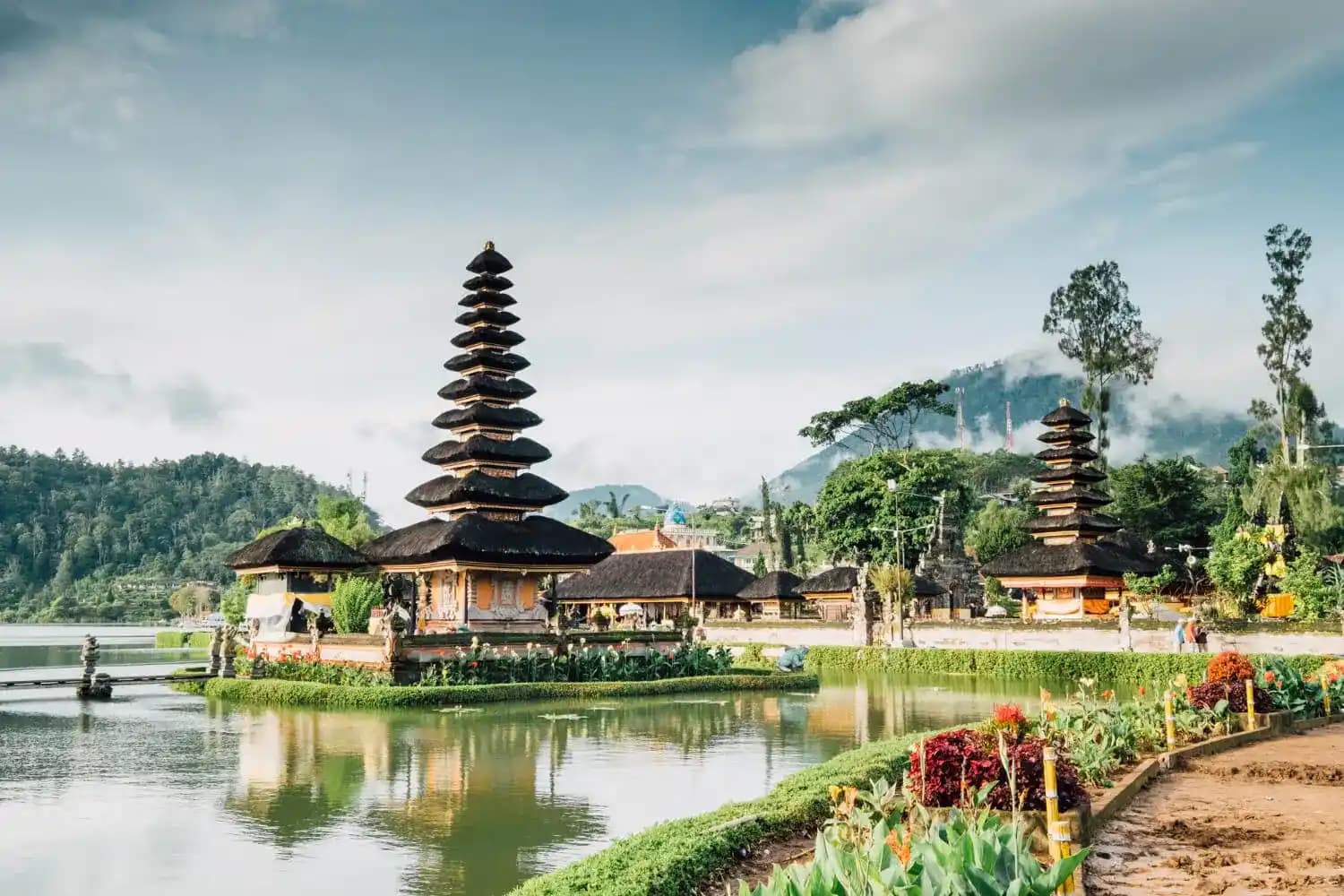

Explore Suwon - South Korea Travel, Asia
Suwon, the capital of Gyeonggi Province in South Korea, is a vibrant city located just 30 kilometers (19 miles) south of Seoul. This is the largest city in the province, serving as a key political, economic, and cultural hub. One of Suwon’s most iconic landmarks is Hwaseong Fortress, a UNESCO World Heritage Site that showcases stunning late 18th-century Korean architecture and military ingenuity. Beyond its historical appeal, Suwon is famous for its galbi (marinated beef ribs), particularly wanggalbi, which draws food lovers from across the country. The city also hosts numerous cultural festivals and events throughout the year, offering visitors an immersive experience in Korean traditions, arts, and crafts. Surrounded by picturesque landscapes and well-maintained parks, Suwon is ideal for nature enthusiasts who enjoy outdoor activities like hiking. With modern amenities, including an efficient public transit system and a thriving sports scene,
Population Approximately 1.2 million (as of 2024).
Economy: Suwon is home to the headquarters of Samsung Electronics, South Korea's largest and most profitable company. Suwon's economy is characterized by its strong focus on technology, support for small businesses, and commitment to education and sustainability. These factors not only drive economic growth but also create a vibrant environment for visitors, making it an engaging place to explore. Travelers can appreciate the blend of modern industry and historical significance that defines Suwon's unique character.
Cultural Significance: Hwaseong Fortress, Suwon World Cup Stadium, Korean Folk Village, Mr. Toilet House, Suwon Hwaseong Museum, Manseok Park, Suwon First Church

Overview of Suwon
History & Cultural Influence
Over the centuries, Suwon evolved under the influence of different Korean dynasties, including Goguryeo, A defining moment in Suwon’s history came in 1796 with the construction of Hwaseong Fortress, commissioned by King Jeongjo of the Joseon Dynasty. This UNESCO World Heritage Site stands as both a military marvel and a symbol of the king's filial devotion to his father, embodying the city’s deep-rooted Confucian values, particularly filial piety.
During the Japanese colonial period (1910–1945), Suwon played a role in Korea’s fight for independence, with several local activists contributing to the national resistance. This history of resilience continues to shape Suwon's cultural identity. Today, Suwon successfully merges its historical heritage with modernity. The city celebrates its past through events like the Suwon Hwaseong Cultural Festival, while institutions like the Samsung Innovation Museum highlight its role in Korea’s technological advancements.
Interaction with The Locals
When visiting Suwon, you can expect friendly and welcoming interactions with locals. The city with most residents being ethnic Koreans, though there is a small but growing foreign community. While Korean is the dominant language, younger generations may speak some English, though learning a few basic Korean phrases will go a long way in building rapport. Locals in Suwon are generally polite and respectful, and they appreciate visitors who show interest in the city’s rich cultural heritage, particularly its historical sites like Hwaseong Fortress. Visitors will likely find Suwon’s residents to be curious, helpful, and proud to share their city's blend of tradition and modernity.

Top Attractions in Suwon
Hwaseong Fortress
A true symbol of Suwon, Hwaseong Fortress is a UNESCO World Heritage Site and one of the city's most cherished landmarks. Built in the late 18th century under King Jeongjo’s reign, this fortress is a masterpiece of military architecture, featuring robust walls, grand gates, and towering watchtowers. Visitors can immerse themselves in history by exploring not just the walls, but also Hwaseong Haenggung Palace, a temporary royal residence within the fortress, and Paldalmun Gate, one of its key entrances. The fortress provides a fascinating look at Korea’s past, offering panoramic views of the city and scenic paths for leisurely walks.
Gwanggyo Lake Park
For those seeking a peaceful escape, Gwanggyo Lake Park is a beautiful recreational haven in Suwon. Centered around a tranquil lake, this park offers scenic walking trails and lush greenery, perfect for a relaxing day outdoors. Whether you're picnicking by the water, jogging along the paths, or simply soaking in the natural beauty, Gwanggyo Lake Park is an idyllic spot for visitors of all ages. It's a wonderful place to unwind, especially as the sun sets over the lake, casting stunning reflections on the water.
Hwahongmun Gate (Buksumun)
One of the most striking features of Hwaseong Fortress, Hwahongmun Gate, also known as Buksumun, is an architectural gem. This gate, which spans the Suwoncheon Stream with its seven arches, was built not only for defense but also to regulate the water flow into the fortress. By day, the gate impresses with its intricate design and strategic purpose, while at night, it becomes a photographer’s dream as it’s illuminated, creating a magical reflection on the water. A walk around the gate in the evening offers a serene and beautiful experience, perfect for anyone looking to explore Suwon’s heritage in a calm, picturesque setting.
Banghwasuryujeong Pavilion (Dongbukgangnu)
Perched within Hwaseong Fortress, the Banghwasuryujeong Pavilion, also known as Dongbukgangnu, is a must-see for anyone visiting Suwon. The pavilion’s poetic name, which means “Pavilion of Water and Flowers in Full Bloom,” perfectly reflects its serene atmosphere. This historic structure offers sweeping views of the city and surrounding landscapes, and it’s particularly enchanting in the early morning when mist rises from the water below. Its beauty has made it a popular filming location for historical dramas, adding a touch of magic to its already captivating charm. If you're looking for a peaceful spot to reflect and take in the scenery, this pavilion won’t disappoint.
Korean Folk Village
Step back in time at the Korean Folk Village, a stunning recreation of life during the Joseon dynasty. Spanning 245 acres, this immersive cultural park is filled with thatched-roof houses, traditional workshops, and lively cultural performances. Visitors can witness artisans at work, see reenactments of historical rituals, and even try their hand at traditional crafts. The village beautifully captures Korea’s rich heritage and is an excellent destination for families, history buffs, and anyone eager to experience Korea’s past firsthand. With lush landscapes and authentic architecture, it’s easy to forget you're in the 21st century!

Must-Try Dishes in Suwon
- Suwon Galbi: This mouth-watering dish features marinated beef short ribs grilled to perfection, making it a beloved staple of Korean barbecue. What makes Suwon’s galbi stand out is its rich marinade, a savory blend of soy sauce, sugar, garlic, and onions, giving the meat an irresistible sweet and salty flavor.
- Korean Fried Chicken: For fried chicken fans, Suwon’s Fried Chicken Street is a paradise. This local gem is known for serving up some of the crispiest, most flavorful fried chicken in South Korea. Cooked whole in large cauldrons, the chicken develops a perfectly crispy exterior while staying juicy inside. Suwon’s fried chicken is often paired with a variety of mouth-watering sauces like garlic, soy sauce, or a sweet and spicy glaze.
- Bossam: Bossam has long been one among many great dishes that capture the heart of Korean cuisine. Thinly sliced boiled pork belly is the star, typically served with an array of delicious sides like fermented shrimp, kimchi, garlic and wrapped in lettuce leaves. Suwon takes bossam up a notch with its special Gul Bossam, which includes fresh oysters for a briny twist that complements the richness of the pork.
- Octopus Abalone Short Rib Soup: Octopus Abalone Short Rib Soup is a local favorite in Suwon, especially during the colder months. This rich and flavorful broth is packed with tender short ribs, fresh octopus, and abalone, creating a dish that’s both satisfying and nutritious. Known for its health benefits, this soup is believed to boost energy and strengthen the immune system, making it popular among locals.
- Tteokgalbi: A twist on traditional galbi, tteokgalbi features minced beef or pork rib meat, shaped into patties and grilled to perfection. The juicy patties are seasoned with a blend of spices that gives them a slightly smoky, savory flavor. In Suwon, this dish is often served with lettuce wraps and a spicy dipping sauce, making it a fun and flavorful meal to enjoy with friends or family.
- Bibimbap: Bibimbap consist of a base of warm rice, topped with a colorful array of vegetables, marinated meat, a fried egg, and a generous dollop of gochujang (red chili paste). The beauty of bibimbap lies in its simplicity and the harmony of flavors—when mixed together, it becomes a satisfying and well-balanced meal.

Weather in Suwon: Best Time to Visit
Suwon, South Korea, experiences a mild continental climate with warm, humid summers and cold, dry winters. Here are the key details about Suwon's weather and climate to help travelers plan their visit:
Temperatures
- Summers (June-August) are warm, with average high temperatures ranging from 25°C to 29°C (77°F to 84°F) and lows of 18°C to 22°C (64°F to 72°F).
- Winters (December-February) are cold, with average highs of 2°C to 5°C (36°F to 41°F) and lows of -5°C to -8°C (23°F to 18°F).
- Spring and fall are mild, with temperatures ranging from 5°C to 20°C (41°F to 68°F).
Best Time to Visit
- The best times to visit Suwon for warm-weather activities are from May to October, with July and August being the warmest and wettest months.
- Spring (April-May) and fall (September-October) offer mild temperatures and fewer crowds, making them ideal for sightseeing and outdoor activities.

Festivals & Local Celebrations
Suwon hosts a variety of events and festivals throughout the year, showcasing its rich cultural heritage and vibrant community. Here are some notable events and festivals that travelers can look forward to during their visit:
Suwon Hwaseong Cultural Festival
- When: Annually in September
- This festival celebrates the history and culture of Suwon, particularly focusing on the Hwaseong Fortress. It features traditional performances, reenactments, and various cultural activities, including crafts and food stalls. Visitors can enjoy events such as the King Jeongjo's Royal Tomb event and nighttime light displays around the fortress.
Suwon Jazz Festival
- When: Typically held in the summer (exact dates may vary)
- This music festival attracts jazz enthusiasts from all over, featuring performances by local and international jazz artists. The festival creates a lively atmosphere with various stages set up around the city, allowing attendees to enjoy diverse musical styles in a vibrant setting.
Suwon Theater Festival
- When: Dates may vary, often in the fall
- Showcases theatrical performances from both local and international groups. It includes a range of genres, from traditional Korean plays to contemporary performances, providing a platform for artistic expression and cultural exchange.

Shopping in Suwon
Suwon's Traditional Markets
- Paldalmun Market: Located near Hwaseong Fortress, this market is known for its traditional Korean clothing, fabrics, and accessories. It features over 300 stores, with 40 specializing in hanbok (traditional Korean dress) and another 40 selling fabrics.
- Jidong Market: One of the largest traditional markets in Suwon, Jidong Market offers a wide variety of goods, including local produce, street food, and household items.
Shopping Malls and Districts
- Starfield Suwon: This modern shopping complex features luxury boutiques, cafes, restaurants, and entertainment options like a cinema and concert hall.
- AK PLAZA Suwon: A popular department store known for its wide selection of fashion, beauty, and home goods.
- Galleria Department Store Gwanggyo: Located in the Gwanggyo area, this upscale department store offers high-end shopping and dining experiences.
- Suwon Station Rodeo Street: A lively shopping district near Suwon Station, known for its trendy fashion stores and street food vendors.

Essential Travel Information
Getting Around Suwon
Public Transit
Suwon has a comprehensive public transportation system that includes:
- Subway: The city is served by Seoul Subway Line 1, with four stations in Suwon: Sungkyunkwan Univ., Hwaseo, Suwon, and Seryu. The subway is efficient and connects to other lines for broader access.
- Buses: An extensive bus network covers the city, including green buses for local routes and blue/red buses for longer distances to Seoul and neighboring cities. Buses are reliable and inexpensive.
Taxis
Taxis are widely available in Suwon, with two main types:
- Standard Taxis: Usually gray or white, these are the most common and affordable option.
- Deluxe (Black) Taxis: These are more spacious and comfortable but come at a higher fare. Prices may increase after midnight.
ATM and Banking Services
- ATMs: Suwon offers a wide network of ATMs, making it easy for both locals and visitors to access cash. Many major banks have ATMs around the city, providing services in English, which is especially convenient for international travelers. For example, the Kookmin Bank ATM at 686-6 Seryu-dong, Gwonseon-gu, Suwon-si, is a popular option that supports international cards and offers user-friendly services.
- Banking Facilities: Whether you're looking to exchange currency, open an account, or get financial advice, Suwon has several prominent local and international banks to assist. Some of the key banks include: Kookmin Bank, Shinhan Bank, Woori Bank, KEB Hana Bank. These banks have branches across the city, ensuring that you’re never far from professional banking services.
Where to Stay in Suwon
- Luxury Hotels: For those seeking comfort and convenience, Suwon offers several high-quality hotels with modern amenities, perfect for travelers looking to stay close to major attractions. These highly-rated hotels catering to both business and leisure travelers, featuring comfortable rooms and excellent dining options.
- Mid-range stays: If you're traveling on a budget, Suwon’s guesthouses and hostels provide affordable accommodation while giving you the chance to meet fellow travelers. These cozy options offer a more personal and friendly experience.
- Serviced Apartments: Ideal for longer stays, serviced apartments come equipped with kitchen facilities and offer more space, making them perfect for families or extended business trips.
- Homestays: For those seeking a unique stay, homestays in Suwon offer a range of choices, from modern apartments to traditional homes in local neighborhoods, allowing you to experience the city like a local.
Articles for you

Explore Paju - South Korea Travel, Asia
Paju is a city located in Gyeonggi Province, South Korea, situated just northwest of Seoul and just south of the Korean Demilitarized Zone (DMZ) near Panmunjeom, along the 38th parallel. Covering an area of approximately 672.78 km² (259.76 sq mi), Paju stands as a poignant reminder of the Korean Peninsula's complex history. This city has witnessed the ebb and flow of conflict and peace, emerging as a unique destination that blends historical significance with contemporary cultural richness.
Population: Approximately 440,000 in 2024.
Economy: Paju's economy is diverse, with a strong emphasis on the publishing industry. It is famously known as the center of book publishing in South Korea, housing Paju Book City, which includes around 900 businesses related to the book industry, such as printing firms, distribution companies, and design studios. This hub was established to consolidate the fragmented book sector and has been pivotal in modernizing South Korea's publishing landscape.
Landmarks: Paju Book City, Heyri Art Village, Odusan Unification Observatory, Dorasan Station, Imjingak Park.

Explore Daejeon - South Korea Travel, Asia
Daejeon, located in west-central South Korea, is a bustling metropolitan city known for its strategic position and rich culture. Nestled in a lowland valley between the Sobaek Mountains and the Geum River, it's about 170 kilometers (106 miles) south of Seoul and serves as a key transportation hub, connecting major cities by rail and road.
With a population of approximately 1.47 million as of 2023, Daejeon is the fifth-largest city in South Korea. It's renowned as a science and technology hub, often called the "Silicon Valley of Korea." The city is home to major research institutions like KAIST and Chungnam National University, as well as Daedeok Science Town, a center for innovation and research.
Population: Approximately 1.5 million people.
Economy: Daejeon has a robust economy characterized by its focus on science, technology, and research. It is home to the Daedeok Innopolis, a major research and development hub that houses numerous government-funded and corporate research institutes, as well as small and medium-sized enterprises in advanced fields such as biotechnology, information technology, and materials science. The city serves as a center for administrative functions, hosting various government agencies, which contributes to its economic stability. Daejeon is also known for its manufacturing sector, producing textiles, machinery, and chemicals.
Attractions: Expo Park, Hanbat Arboretum, Daejeon O-World, Daecheong Lake, Yuseong Hot Springs

Explore Andong - South Korea Travel, Asia
Andong, often referred to as the "Capital of Korean Spiritual Culture," is a historic city located in North Gyeongsang Province, South Korea. Situated approximately 260 kilometers southeast of Seoul, Andong is renowned for its preservation of traditional Korean culture and Confucian heritage. The city's history dates back to the Three Kingdoms period, and it has been a center of Korean Confucianism since the Joseon Dynasty. Andong has preserved many aspects of traditional Korean culture for over 2,000 years. The city is characterized by its rich heritage, including UNESCO World Heritage Sites and vibrant local festivals.
Population: approximately 160,000 as of 2024.
Economy: Andong's economy is centered around agriculture, traditional crafts, and tourism. Known for its cultural heritage and Hahoe Folk Village, Andong attracts visitors seeking authentic Korean experiences, boosting local businesses and food production.
Landmarks: Hahoe Folk Village, Byeongsan Seowon, Bongjeongsa Temple,Andong Soju & Traditional Food Museum, Woryeonggyo Bridge, Andong Open Air Folk Museum

Explore Pohang: Top South Korea Travel Destinations
Pohang is a major industrial city located on the east coast of South Korea in North Gyeongsang Province, approximately 110 km (70 mi) north of Busan and 360 km (230 mi) southeast of Seoul. Renowned for its steel production, primarily through POSCO, one of the world's largest steel companies, Pohang also offers stunning coastal landscapes, including Yeongildae Beach and the iconic Homigot Sunrise Square, home to the "Hands of Harmony" sculptures symbolizing peace and hope. Travelers are drawn to the city's vibrant seafood culture, best experienced at the bustling Jukdo Fish Market. Additionally, Pohang hosts the annual Steel Art Festival, celebrating the city's unique blend of art and industry, making it a captivating destination for both cultural and natural attractions.
Looking for an unforgettable journey through South Korea? Explore our premium tours here and start planning your adventure
Population: Estimate 500,000 people (as of 2024)
Economy: Pohang is primarily known for its steel industry, with POSCO (Pohang Steel Company) being one of the largest steel producers globally, contributing to both local and national economic growth. The city's economy also includes food, textile, and metal industries, alongside a robust fishing sector due to its proximity to the Sea of Japan. Agricultural products such as grapes, persimmons, and garlic chives are also cultivated in the region.
Landmarks: Hwanho Park Space Walk, Jukdo Fish Market, Hwanho Sunrise Park, Yeongildae Beach, Yeongildae Maritime Pavilion (Floating Pavilion), POSCO Art Museum, Homigot Sunrise Square


Explore Pohang: Top South Korea Travel Destinations
Pohang is a major industrial city located on the east coast of South Korea in North Gyeongsang Province, approximately 110 km (70 mi) north of Busan and 360 km (230 mi) southeast of Seoul. Renowned for its steel production, primarily through POSCO, one of the world's largest steel companies, Pohang also offers stunning coastal landscapes, including Yeongildae Beach and the iconic Homigot Sunrise Square, home to the "Hands of Harmony" sculptures symbolizing peace and hope. Travelers are drawn to the city's vibrant seafood culture, best experienced at the bustling Jukdo Fish Market. Additionally, Pohang hosts the annual Steel Art Festival, celebrating the city's unique blend of art and industry, making it a captivating destination for both cultural and natural attractions.
Looking for an unforgettable journey through South Korea? Explore our premium tours here and start planning your adventure
Population: Estimate 500,000 people (as of 2024)
Economy: Pohang is primarily known for its steel industry, with POSCO (Pohang Steel Company) being one of the largest steel producers globally, contributing to both local and national economic growth. The city's economy also includes food, textile, and metal industries, alongside a robust fishing sector due to its proximity to the Sea of Japan. Agricultural products such as grapes, persimmons, and garlic chives are also cultivated in the region.
Landmarks: Hwanho Park Space Walk, Jukdo Fish Market, Hwanho Sunrise Park, Yeongildae Beach, Yeongildae Maritime Pavilion (Floating Pavilion), POSCO Art Museum, Homigot Sunrise Square
Our Best-Selling Tours
Follow Us