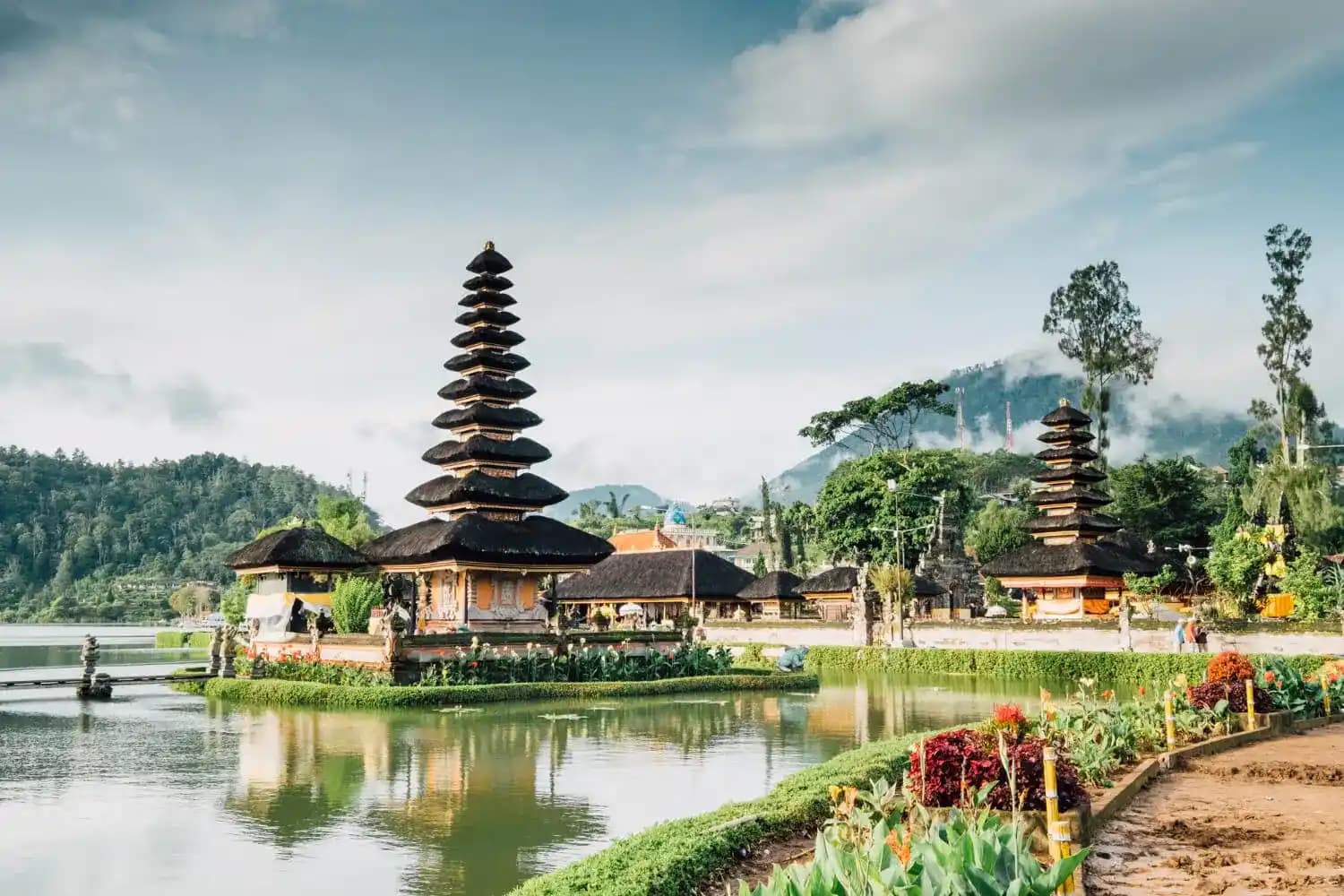

Explore Daejeon - South Korea Travel, Asia
Daejeon, located in west-central South Korea, is a bustling metropolitan city known for its strategic position and rich culture. Nestled in a lowland valley between the Sobaek Mountains and the Geum River, it's about 170 kilometers (106 miles) south of Seoul and serves as a key transportation hub, connecting major cities by rail and road.
With a population of approximately 1.47 million as of 2023, Daejeon is the fifth-largest city in South Korea. It's renowned as a science and technology hub, often called the "Silicon Valley of Korea." The city is home to major research institutions like KAIST and Chungnam National University, as well as Daedeok Science Town, a center for innovation and research.
Population: Approximately 1.5 million people.
Economy: Daejeon has a robust economy characterized by its focus on science, technology, and research. It is home to the Daedeok Innopolis, a major research and development hub that houses numerous government-funded and corporate research institutes, as well as small and medium-sized enterprises in advanced fields such as biotechnology, information technology, and materials science. The city serves as a center for administrative functions, hosting various government agencies, which contributes to its economic stability. Daejeon is also known for its manufacturing sector, producing textiles, machinery, and chemicals.
Attractions: Expo Park, Hanbat Arboretum, Daejeon O-World, Daecheong Lake, Yuseong Hot Springs

Overview of Daejeon
History & Cultural Influence
Historically known as "Hanbat," meaning "large field" in Korean, Daejeon was a small village during the Joseon Dynasty. The city's transformation began in the early 20th century with the development of railway lines under Japanese rule. The completion of the Gyeongbu Railway in 1905 and the Honam Railway in 1926 turned Daejeon into a major transportation hub, facilitating rapid growth and modernization.
During the Japanese colonial period, Daejeon experienced significant cultural influence from Japanese settlers, who constituted a large portion of the population. This era left a lasting impact on the city's cultural landscape, as seen in certain local dialects and traditions.
Interaction with The Locals
Daejeon's cultural identity is deeply intertwined with its role as a center for science and technology. The establishment of Daedeok Innopolis, a major research and development district, has attracted numerous scientific institutions and high-tech businesses, earning the city the nickname "Asia's Silicon Valley." This focus on innovation and research has fostered a culture of academic excellence and technological advancement.
The city is also known for its natural beauty, with numerous parks, rivers, and hot springs that reflect the residents' fondness for nature. Cultural events such as the Daejeon Science Festival and various local fairs celebrate the city's scientific achievements and cultural heritage, drawing visitors from around the country.

Top Attractions in Daejeon
Daejeon, offers a variety of attractions that cater to different interests. From beautiful botanical garden showcasing diverse species, to a unique hiking experience with its soft red clay paths and stunning views from Gyejoksan Fortress. These attractions highlight Daejeon's blend of natural beauty and cultural experiences, making it a compelling place to explore.
Expo Science Park
Location: 70, Daedeokdae-ro, Yuseong-gu, Daejeon, South Korea
Built following the 1993 Daejeon Expo, Expo Science Park is a must-visit for science and education enthusiasts. The park is home to notable landmarks such as the Hanbit Tower, simulation theaters, and the Daejeon Expo Memorial Hall. It offers interactive exhibits that explore scientific concepts in an engaging way, making it a perfect spot for families and anyone looking to learn while having fun.
Hanbat Arboretum
Location: 169, Dunsan-daero, Seo-gu, Daejeon, South Korea
As one of Korea’s largest urban arboretums, Hanbat Arboretum is a peaceful escape within the city. This beautifully designed space features a wide variety of plant species spread across themed gardens. It's an ideal spot for a relaxing walk, a family day out, or simply enjoying the beauty of nature. The arboretum is also a popular destination for photography and picnics, offering tranquility in the heart of Daejeon.
Daecheong Lake
Location: Near Daejeon, South Korea
Daecheong Lake is a stunning artificial lake known for its scenic landscapes and recreational opportunities. Visitors can enjoy activities like boating, fishing, and hiking along the lake’s shores. The area is perfect for a peaceful picnic or just soaking in the natural beauty. With its serene setting, Daecheong Lake is a great escape from the city for those seeking outdoor leisure.
Yuseong Hot Springs
Location: 574, Bongmyeong-dong, Yuseong-gu, Daejeon, South Korea
The historic Yuseong Hot Springs is famous for its natural therapeutic waters. Known for their healing properties, these mineral baths have been a go-to relaxation spot for locals and visitors alike. Whether you're looking to soothe tired muscles or simply unwind, Yuseong Hot Springs offers a rejuvenating experience in a calm and peaceful setting.
Gyejoksan Mountain
Location: Near Daejeon, South Korea
Gyejoksan Mountain is well-known for its picturesque hiking trails and unique barefoot walking path. Outdoor enthusiasts can explore the mountain while enjoying breathtaking views of Daejeon and its surrounding landscapes. The barefoot trail, in particular, offers a one-of-a-kind experience as you connect with nature in a more intimate way. Gyejoksan is the perfect destination for hikers seeking both adventure and relaxation.

Must-Try Dishes in Daejeon
Daejeon boasts a rich culinary scene with several must-try dishes that reflect its local flavors. From a popular handmade noodle dish served in a savory broth made with ground beef, to a nutritious dish with fresh vegetables and a spicy soy sauce, perfect for a light yet satisfying meal. These dishes highlight Daejeon's unique culinary heritage and are essential experiences for any visitor to the city.
- Garak-Guksu (Handmade Noodles): Garak-Guksu is a traditional noodle dish made with handmade wheat noodles served in a savory broth, often accompanied by vegetables and beef. This dish showcases the region's emphasis on fresh ingredients and is a comforting staple for locals, especially during colder months.
- Samgyetang (Ginseng Chicken Soup): A nourishing soup featuring a whole chicken stuffed with glutinous rice, ginseng, and jujubes, simmered to create a rich broth. Samgyetang is particularly popular during the summer months, believed to provide stamina and health benefits, making it a cultural favorite.
- Tteokbokki (Spicy Rice Cakes): Tteokbokki consists of chewy rice cakes stir-fried in a spicy and slightly sweet sauce, often garnished with fish cakes and green onions. This beloved street food is a must-try for visitors, reflecting Daejeon's vibrant street food culture and is often enjoyed as a quick snack or meal.
- Kimchi Jjigae (Kimchi Stew): A hearty stew made with fermented kimchi, tofu, pork, and various vegetables, simmered to enhance the flavors. Kimchi jjigae is a staple in Korean households and represents the importance of kimchi in Korean cuisine, making it a comforting dish for locals.
- Bulgogi (Marinated Beef): Bulgogi features thinly sliced beef marinated in a mixture of soy sauce, sugar, sesame oil, and garlic, then grilled or stir-fried. This dish is celebrated for its sweet and savory flavors and is often served at special occasions, highlighting the region's culinary heritage.

Weather in Daejeon: Best Time to Visit
Daejeon experiences a humid continental climate, characterized by distinct seasons with hot summers and cold winters. Here’s an overview of the weather and climate in Daejeon, including average temperatures, rainfall, the best time to travel, and other relevant weather patterns.
Average Temperatures
Winter (December to February)
- Average highs range from 1°C to 6°C (34°F to 43°F), with January being the coldest month, averaging around -5°C (23°F).
- Average lows can drop to -6°C (21°F) in January.
Summer (June to August)
- Average highs range from 28°C to 31°C (82°F to 88°F), with August being the warmest month at around 31°C (88°F).
- Average lows during this period are around 22°C (72°F).
Rainfall
- Annual Precipitation: Daejeon receives approximately 126 mm (4.97 inches) of rainfall annually, with about 119 rainy days throughout the year.
- Wettest Month: July is the wettest month, averaging around 311 mm (12.24 inches) of rain, while January is typically the driest month with about 17 mm (0.67 inches).
Best Time to Travel
- Spring (April to June) and Fall (September to November): These seasons are considered the best times to visit Daejeon, as the weather is mild and pleasant, with blooming flowers in spring and beautiful foliage in fall.
- Summer (July to August): While summer can be hot and humid, it is also a vibrant time for festivals and outdoor activities. Travelers should be prepared for occasional heavy rainfall.
- Winter (December to February): Winters can be cold and snowy, making it less ideal for outdoor activities but suitable for those interested in winter sports or enjoying the winter scenery.

Shopping in Daejeon
- Daejeon Jungang Market: Jungang Market is one of the largest, offering everything from fresh produce and seafood to clothing and household goods. Walking through the bustling market, you can immerse yourself in local life while sampling street food and discover locally made items such as traditional crafts, textiles, and pottery.
- Eunhaeng-dong Shopping Street: Eunhaeng-dong is a vibrant area known for its trendy clothing stores, cafes, and beauty shops. It’s a popular spot for both locals and visitors, particularly among younger shoppers looking for the latest fashion trends.
- Underground Shopping Centers at Daejeon Station: Daejeon’s underground shopping centers are a convenient option for those looking to shop on a budget. It’s a great place to browse for deals, especially if you’re looking for trendy, yet inexpensive clothing and accessories.

Festivals & Local Celebrations
Daejeon Science Festival
- Time of Year: Typically held in October
- Every October, Daejeon transforms into a playground for curious minds during the Daejeon Science Festival. The event takes place in the heart of Korea’s tech hub, offering interactive activities and showcases of cutting-edge technology. It’s an especially exciting experience for families and kids, with hands-on exhibits that encourage creativity and learning. The festival also blends science with elements of literature, making it both educational and fun for all ages.
Zero O'Clock Festival
- Time of Year: August
- The Zero O'Clock Festival brings Daejeon to life every August with a vibrant mix of cultural performances, entertainment, and community activities. The festival has become a beloved tradition, with locals and visitors coming together to enjoy live music, dance, and creative displays that reflect the energetic spirit of the city. It’s a perfect way to experience Daejeon’s lively atmosphere and connect with its vibrant cultural scene.
Daecheongho Daedeok Music Festival
- Time of Year: 2024 (dates vary)
- Set against the stunning backdrop of Daecheong Lake, the Daecheongho Daedeok Music Festival is a must for music lovers. With a lineup that includes both international and local Korean artists, the festival offers a diverse musical experience surrounded by natural beauty. In addition to the music, attendees can explore traditional Korean performances, engage in workshops, and indulge in local food. The festival also emphasizes sustainability, making it a meaningful celebration of both culture and nature.
DICU Festival (Daejeon Intermedia Comics Union Festival)
- Time of Year: Held twice a year, in February and August
- For fans of comics and animation, the DICU Festival is a highlight of Daejeon’s cultural calendar. This festival celebrates the world of cartoons and animation with events like custom play shows, dance contests, musicals, and animation song performances. Supported by the Daejeon Information & Culture Industry Promotion Agency, it’s a lively and creative space where fans of all ages can dive into the world of animated storytelling and entertainment.

Culture Etiquette in Daejeon
When visiting Daejeon, it's important to be aware of some key cultural etiquette and customs to ensure respectful interactions with locals:
Greetings
- Bowing is a common greeting in Korea, with the depth of the bow indicating the level of respect. A slight bow is sufficient for casual encounters, while a deeper bow is appropriate for more formal situations or when greeting elders.
- Handshakes are also common, especially in business settings. Use both hands when shaking hands with someone older or of higher status to show respect.
Dining Etiquette
Wait for the eldest person at the table to start eating before you begin.
- Express gratitude before and after meals by saying "잘 먹겠습니다" (I will eat well) and "잘 먹었습니다" (I ate well).
- Use both hands when passing food or drinks to others.
- Avoid sticking your chopsticks straight up in rice, as this resembles a funeral ritual and is considered offensive.
Behavior in Public
- Koreans value modesty and restraint in public. Avoid loud conversations, public displays of affection, and overly casual dress, especially in traditional areas.
- Don't interrupt others when they are speaking, as the most important parts of the message are often at the end of the sentence in Korean.
- Avoid sitting in priority seats on public transportation unless you are elderly, disabled, or traveling with small children.
Gift-Giving
- If invited to someone's home, bringing a small gift is customary. Use both hands to present and receive gifts.
- Avoid giving white flowers or gifts written in red ink, as these are associated with funerals and carry negative connotations.

Essential Travel Information
Getting Around Daejeon
- Buses: Daejeon has an extensive public bus network that connects various parts of the city, making it easy to reach attractions and neighborhoods.
- Taxis: Taxis are widely available and can be hailed on the street or booked via phone. They are a convenient option for short distances or when traveling with luggage.
- Ride-Sharing Services: Apps like KakaoTaxi are available in Daejeon, allowing visitors to request rides conveniently through their smartphones.
- Bicycles and Walking: Daejeon is bike-friendly, with several bike rental services available. Walking is also a pleasant way to explore the city, especially in areas with parks and cultural sites.
ATM & Banking Services
ATMs are widely available throughout Daejeon, including in subway stations, shopping centers, and bank branches. Many ATMs in South Korea are multifunctional, allowing users to withdraw cash, pay bills, and deposit money.
For international visitors, it's important to look for ATMs marked with "Global Services" or "Global ATM" and displaying Visa or Mastercard logos, as not all ATMs accept foreign cards. If one ATM does not work, trying another is recommended, as different banks may accept different card types.
Where to Stay in Daejeon
- Lotte City Hotel Daejeon: A modern hotel offering comfortable rooms and amenities, suitable for both business and leisure travelers. It is conveniently located near the Daejeon Convention Center.
- Hotel Interciti: Known for its excellent service and facilities, this hotel provides a luxurious stay with features such as a fitness center and on-site dining options.
- Good Morning Residence Hue: A budget-friendly option offering clean and comfortable accommodations with convenient access to public transportation and local attractions.
- Daejeon I-Hotel: Offers affordable lodging with essential amenities, ideal for travelers looking for a simple and economical stay.
Articles for you

Explore Busan - South Korea Travel, Asia
Busan, South Korea's second-largest city, is located on the southeastern coast, facing the Korea Strait. Known for its strategic position as a major maritime hub, Busan is surrounded by mountains to the north and the sea to the south, offering a stunning mix of natural landscapes. Home to over 3.3 million residents, the city has a rich history dating back to the Neolithic era and played a significant role during the Korean War as a refuge and military base.
Population: approximately 3.4 million as of 2024.
Economy: Busan is a major industrial and commercial center, with a focus on shipping, manufacturing, and tourism.
The city is home to the Busan Port, one of the busiest container ports in the world.
Landmarks: Haeundae Beach, Gamcheon Culture Village, Busan Tower, Jagalchi Fish Market, Nurimaru APEC House.

Explore Suwon - South Korea Travel, Asia
Suwon, the capital of Gyeonggi Province in South Korea, is a vibrant city located just 30 kilometers (19 miles) south of Seoul. This is the largest city in the province, serving as a key political, economic, and cultural hub. One of Suwon’s most iconic landmarks is Hwaseong Fortress, a UNESCO World Heritage Site that showcases stunning late 18th-century Korean architecture and military ingenuity. Beyond its historical appeal, Suwon is famous for its galbi (marinated beef ribs), particularly wanggalbi, which draws food lovers from across the country. The city also hosts numerous cultural festivals and events throughout the year, offering visitors an immersive experience in Korean traditions, arts, and crafts. Surrounded by picturesque landscapes and well-maintained parks, Suwon is ideal for nature enthusiasts who enjoy outdoor activities like hiking. With modern amenities, including an efficient public transit system and a thriving sports scene,
Population Approximately 1.2 million (as of 2024).
Economy: Suwon is home to the headquarters of Samsung Electronics, South Korea's largest and most profitable company. Suwon's economy is characterized by its strong focus on technology, support for small businesses, and commitment to education and sustainability. These factors not only drive economic growth but also create a vibrant environment for visitors, making it an engaging place to explore. Travelers can appreciate the blend of modern industry and historical significance that defines Suwon's unique character.
Cultural Significance: Hwaseong Fortress, Suwon World Cup Stadium, Korean Folk Village, Mr. Toilet House, Suwon Hwaseong Museum, Manseok Park, Suwon First Church

Explore Namhae: Top South Korea Travel Destinations
Namhae is an island county located in the South Gyeongsang Province of South Korea. Situated off the southern coast of the Korean Peninsula, approximately 60 kilometers from the city of Jinju. The county encompasses Namhae Island and several smaller islands, offering beautiful coastal views and diverse landscapes. Often referred to as the "Treasure Island" of Korea due to its breathtaking scenery, including mountains, beaches, and terraced rice fields. The region is ideal for outdoor activities such as hiking, kayaking, and fishing. The county is home to various cultural sites, including the famous Boriam Temple, which is one of the five most significant temples in South Korea, offering stunning views from its location atop Geumsan Mountain.
Population: Approximately 50,000 in 2024.
Economy: Tourism plays a significant role in Namhae's economy, with attractions such as the Namhae German Village, Boriam Temple, and the scenic terraced fields of Da-rang-yi Village drawing visitors year-round. Also renowned for its agricultural products, particularly high-quality garlic and rice. The region's fertile soil and favorable climate support various crops, making it a key area for farming in South Korea. Visitors can experience local farming practices and enjoy fresh produce at markets and restaurants.
Landmarks: Boriam Temple, Namhae Treasure Island Observatory, Namhae German Village, Da-rang-yi Terraced Rice Fields, Hallyeohaesang National Park, Geumsan Mountain

Explore Goseong: Top South Korea Destinations in Asia
Goseong County, located in South Gyeongsang Province, South Korea, is notable for its rich history as the former capital of the ancient Sogaya kingdom and its stunning natural landscapes, including beautiful coastlines and mountains. Goseong is unique for being the historical capital of the ancient Gaya kingdom and features attractions like the Goseong Dinosaur Museum and the annual Sogaya Festival, celebrating its cultural heritage. The area is also renowned for its scenic coastlines, mountains, and agricultural products, making it an appealing destination for nature lovers and those interested in Korean history. You can enjoy outdoor activities, explore historical sites, and experience local cuisine, enhancing their overall travel experience in this culturally rich region.
Embark on a journey beyond the ordinary—discover our premium South Korea tours here for a truly unique travel experience.
Population: Estimate 30,000 people (as of 2024)
Economy: Goseong County's economy is characterized by a blend of agriculture, fishing, and tourism, reflecting its rich natural resources and historical significance. The county is known for its agricultural products, including rice, sweet persimmons, and various vegetables, which contribute to the local economy. Additionally, Goseong's coastal location supports a thriving fishing industry, with ports like Geojin and Gajin facilitating trade and seafood production.
Tourism plays a crucial role in Goseong's economy, driven by attractions such as the Goseong Dinosaur Museum, which showcases the region's paleontological significance, and the annual Sogaya Festival that celebrates its cultural heritage.
Landmarks: Goseong Dinosaur Museum, Sangjogam County Park, Danghangpo Tourist Resort, Mt. Yeonhwa Provincial Park, Goseong Ogwangdae (Korea Mask Dance Drama), Songhakdong Gobungun (Tombs of Gaya Period Leaders), Unheung Temple


Explore Namhae: Top South Korea Travel Destinations
Namhae is an island county located in the South Gyeongsang Province of South Korea. Situated off the southern coast of the Korean Peninsula, approximately 60 kilometers from the city of Jinju. The county encompasses Namhae Island and several smaller islands, offering beautiful coastal views and diverse landscapes. Often referred to as the "Treasure Island" of Korea due to its breathtaking scenery, including mountains, beaches, and terraced rice fields. The region is ideal for outdoor activities such as hiking, kayaking, and fishing. The county is home to various cultural sites, including the famous Boriam Temple, which is one of the five most significant temples in South Korea, offering stunning views from its location atop Geumsan Mountain.
Population: Approximately 50,000 in 2024.
Economy: Tourism plays a significant role in Namhae's economy, with attractions such as the Namhae German Village, Boriam Temple, and the scenic terraced fields of Da-rang-yi Village drawing visitors year-round. Also renowned for its agricultural products, particularly high-quality garlic and rice. The region's fertile soil and favorable climate support various crops, making it a key area for farming in South Korea. Visitors can experience local farming practices and enjoy fresh produce at markets and restaurants.
Landmarks: Boriam Temple, Namhae Treasure Island Observatory, Namhae German Village, Da-rang-yi Terraced Rice Fields, Hallyeohaesang National Park, Geumsan Mountain

Explore Goseong: Top South Korea Destinations in Asia
Goseong County, located in South Gyeongsang Province, South Korea, is notable for its rich history as the former capital of the ancient Sogaya kingdom and its stunning natural landscapes, including beautiful coastlines and mountains. Goseong is unique for being the historical capital of the ancient Gaya kingdom and features attractions like the Goseong Dinosaur Museum and the annual Sogaya Festival, celebrating its cultural heritage. The area is also renowned for its scenic coastlines, mountains, and agricultural products, making it an appealing destination for nature lovers and those interested in Korean history. You can enjoy outdoor activities, explore historical sites, and experience local cuisine, enhancing their overall travel experience in this culturally rich region.
Embark on a journey beyond the ordinary—discover our premium South Korea tours here for a truly unique travel experience.
Population: Estimate 30,000 people (as of 2024)
Economy: Goseong County's economy is characterized by a blend of agriculture, fishing, and tourism, reflecting its rich natural resources and historical significance. The county is known for its agricultural products, including rice, sweet persimmons, and various vegetables, which contribute to the local economy. Additionally, Goseong's coastal location supports a thriving fishing industry, with ports like Geojin and Gajin facilitating trade and seafood production.
Tourism plays a crucial role in Goseong's economy, driven by attractions such as the Goseong Dinosaur Museum, which showcases the region's paleontological significance, and the annual Sogaya Festival that celebrates its cultural heritage.
Landmarks: Goseong Dinosaur Museum, Sangjogam County Park, Danghangpo Tourist Resort, Mt. Yeonhwa Provincial Park, Goseong Ogwangdae (Korea Mask Dance Drama), Songhakdong Gobungun (Tombs of Gaya Period Leaders), Unheung Temple
Our Best-Selling Tours
Follow Us