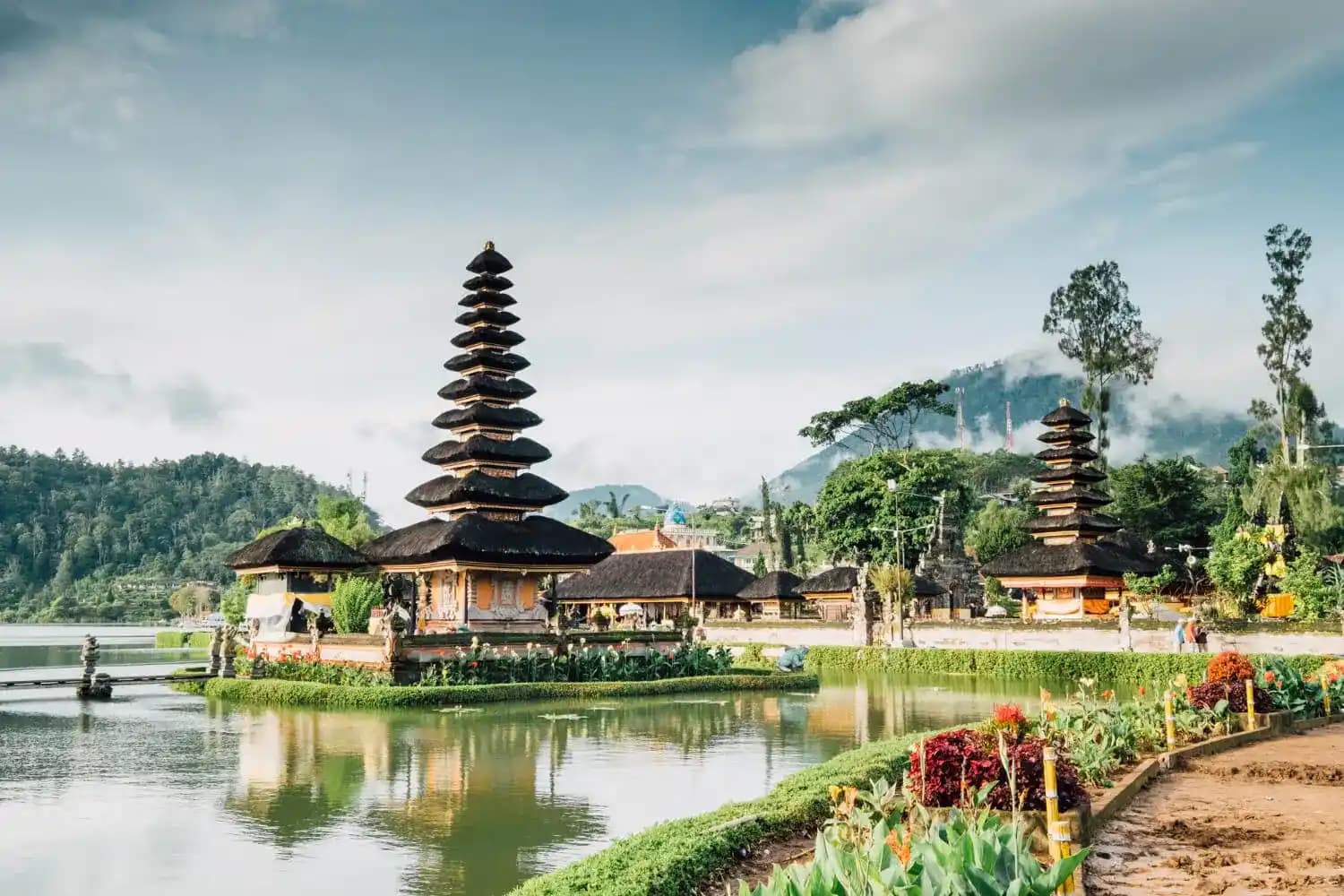

Explore Gwangju - South Korea Travel, Asia
Gwangju is a vibrant metropolitan city located in the southwestern part of South Korea. It is situated at an elevation of approximately 43 meters above sea level and covers an area of about 501 square kilometers. Travelers are drawn to Gwangju for its fascinating history, vibrant arts scene, and beautiful natural surroundings. The city's commitment to democracy and human rights, as exemplified by the May 18th Memorial, also makes it a compelling destination for those interested in social justice movements.
Population: Estimate 1.5 million people (as of 2024)
Economy: Gwangju's economy is driven by its strong manufacturing sector, particularly in automotive and electronics industries. The city is also a hub for arts, culture, and innovation, with growing investments in green energy and smart city projects, fostering sustainable development.
Cultural Significance: Mudeungsan National Park, May 18th National Cemetery, Gwangju National Museum, Gwangju Folk Museum, Jeungsimsa Temple, Asia Culture Center, Gwangju Science Center, 1913 Songjeong Station Market

Overview of Gwangju
History & Cultural Influence
Gwangju's rich history and cultural influence have deeply shaped its identity, making it a city known for both its resilience and creativity. Its roots stretch back to the Three Kingdoms period (57 BCE–668 CE), when it served as a vital center of trade and administration, setting the stage for its long-standing strategic significance. Today, the event stands as a powerful symbol of resistance and is commemorated annually, underscoring Gwangju's enduring spirit of democracy.
Culturally, Gwangju is an artistic hub, renowned for the Gwangju Biennale, an international contemporary art festival that draws artists from across the globe, showcasing the city’s dedication to cultural innovation. Its culinary reputation is equally strong, with kimchi being a centerpiece of its rich food heritage, celebrated every year at the World Kimchi Culture Festival. Gwangju is also home to respected educational institutions like Chosun University and Chonnam National University, contributing to its status as a center of learning and culture.
Interaction with The Locals
It’s the sixth-largest city in South Korea, and while most of the population is Korean, Gwangju is also home to the Koryo-saram community—ethnic Koreans from the former Soviet Union—adding an interesting layer of cultural diversity to the city. The people of Gwangju are known for their warm hospitality and openness, shaped by the city’s rich history and its fight for democracy. Locals take great pride in their cultural heritage, which you'll see reflected in the vibrant festivals, bustling markets, and delicious food. The city’s role as a hub for art and culture—highlighted by events like the Gwangju Biennale—also reflects its welcoming attitude toward global visitors. While Korean is the primary language, many younger locals speak some English, though learning a few basic Korean phrases will make your interactions even more enjoyable!

Top attractions in Gwangju
Gwangju offers a captivating mix of culture, history, and natural beauty for travelers. Top attractions include Mudeungsan National Park, perfect for hiking and scenic views, and the May 18th National Cemetery, a poignant tribute to South Korea’s democracy movement. Don’t miss Yangdong Market for authentic street food and vibrant local culture.
Mudeungsan National Park
Mudeungsan National Park is a nature lover’s paradise, famous for its rugged mountains and scenic beauty. Whether you're an avid hiker or just enjoy a peaceful walk, the park has a variety of trails suited to all skill levels. The higher you climb, the more rewarding the views get, offering stunning vistas of the surrounding landscape. Along the way, you'll encounter diverse flora and fauna, making the journey just as captivating as the destination. Ancient temples are nestled within the park as well, providing moments of reflection amid the natural splendor. If you're looking for a perfect blend of history and nature, Mudeungsan National Park is a must-visit.
May 18th National Cemetery
The May 18th National Cemetery stands as a powerful symbol of South Korea’s fight for democracy. It commemorates the victims of the 1980 Gwangju Uprising, a critical event in the nation's history. As you walk through the grounds, you'll find poignant memorials and monuments honoring those who sacrificed their lives during this turbulent period. It’s a solemn yet meaningful place to visit, where you can learn more about the country’s path to democracy while paying respects to the fallen. The atmosphere here encourages quiet reflection, making it an emotional and educational experience for visitors.
Gwangju Folk Museum
If you’re curious about traditional Korean culture, the Gwangju Folk Museum is the place to be. This museum provides a fascinating glimpse into the customs and everyday life of Koreans from different historical periods. From traditional clothing and household items to displays on local customs, you’ll walk away with a deeper understanding of the region's cultural heritage. The museum is engaging for both adults and children, making it a great stop for families looking to learn more about the country’s rich traditions.
Gwangju National Museum
History buffs will love the Gwangju National Museum, which houses an impressive collection of artifacts from Korea’s long and storied past. From ancient relics to beautiful works of art, the exhibits here cover a wide range of historical periods, offering insight into the country’s cultural development. Whether you’re fascinated by ancient pottery, old manuscripts, or intricate artworks, this museum gives you a deeper appreciation for Korea’s rich heritage. It’s a must-visit for anyone interested in history and culture.
Yangdong Market
For a true taste of local life, head to Yangdong Market. This bustling traditional market is a feast for the senses, known for its vibrant energy and incredible street food. Here, you can sample a variety of local culinary delights, from handmade sandwiches to tasty snacks that represent the best of Korean street food. It’s the perfect spot to immerse yourself in the local food culture while exploring the market’s lively atmosphere. Whether you’re in the mood for a quick bite or just want to experience the hustle and bustle of a traditional market, Yangdong has you covered.

Must-Try Dishes in Gwangju
Gwangju is celebrated for its rich culinary heritage, offering a variety of local specialties that reflect the flavors and traditions of the Jeolla region. Here are some must-try dishes when visiting Gwangju:
- Tteokgalbi (Grilled Short Rib Patties): Tteokgalbi is Gwangju's must-try dish, crafted from minced beef short ribs mixed with a blend of savory seasonings, then grilled to mouthwatering perfection. It's a dish often reserved for special occasions, thanks to its tender, melt-in-your-mouth texture and rich, smoky flavor.
- Gwangju-style Bibimbap: This vibrant dish is a feast for both the eyes and the taste buds, featuring a colorful array of fresh vegetables, marinated beef, and the city’s signature gochujang (red chili paste) sauce, all layered over perfectly steamed rice. It's a delicious reflection of Gwangju's emphasis on fresh, seasonal ingredients and balanced nutrition, making it a hit with tourists looking to enjoy an authentic, flavorful meal.
- Kimchi: Kimchi may be a staple of Korean cuisine, but Gwangju is particularly renowned for its wide variety. The city is so proud of its kimchi that it even hosts the Gwangju World Kimchi Festival every year! Gwangju's kimchi is known for bold, complex flavors, often incorporating local ingredients like fresh vegetables and seafood.
- Mudeungsan Makgeolli: Mudeungsan Makgeolli is a beloved local rice wine with roots in the region surrounding the scenic Mudeungsan Mountain. Lightly carbonated with a subtle sweetness and savory notes, this traditional unrefined rice wine is a refreshing pairing with many Korean dishes. It’s not just a drink—it’s a taste of Gwangju’s agricultural heritage.
- Jeolla-style Jjigae: Gwangju is well-known for its hearty, comforting stews, or jjigae. These flavorful dishes are packed with tofu, vegetables, and various proteins, all simmered together with local spices until bubbling hot. Perfect for sharing with friends and family, Gwangju’s jjigae reflects the region’s agricultural richness and is a warm, satisfying staple in the city’s food scene.
- Kimbap: Kimbap might be a popular snack across Korea, but Gwangju has its own delightful twists on this classic dish. These seaweed-wrapped rice rolls are filled with crunchy vegetables, pickled radish, and sometimes local seafood or meats, making them a portable, flavorful meal. Perfect for picnics or as a quick snack, kimbap in Gwangju showcases the city’s lively street food culture and love for fresh, convenient bites.

Weather in Gwangju: Best Time to Visit
Average Temperatures in Gwangju
- Summer (June to August): Summers in Gwangju are warm, with daytime highs ranging from 26°C to 30°C (79°F to 86°F). August tends to be the hottest month, with temperatures hovering around 29°C (84°F). Evenings offer some relief, as lows settle between 19°C and 23°C (66°F to 73°F).
- Autumn (September to November): As autumn arrives, the heat begins to fade. Highs drop from 26°C (79°F) in September to around 13°C (55°F) by November. Nights also cool down significantly, with lows ranging from 17°C (63°F) in September to 6°C (43°F) by the end of autumn.
- Winter (December to February): Winters are quite chilly, with daytime temperatures typically between 3°C and 8°C (37°F to 46°F). January is the coldest month, where nighttime lows can dip to between -5°C and -1°C (23°F to 30°F).
- Spring (March to May): Spring brings a gradual warm-up. In March, highs start at 10°C (50°F) and rise to a pleasant 24°C (75°F) by May. Evenings are cool in early spring, with lows starting at 0°C (32°F) in March, increasing to 12°C (54°F) by May.
Rainfall in Gwangju
Gwangju experiences notable seasonal shifts in rainfall.
- Wet Season (June to September): The summer months are the rainiest, especially in July, which sees about 300 mm (11.8 inches) of rainfall over roughly 15 days. Expect regular showers during this time.
- Dry Season (January): The driest month is January, with minimal rainfall, averaging just 10 mm (0.4 inches).
Humidity and Other Weather Patterns
- Humidity: Summers in Gwangju can feel especially hot due to high humidity, often exceeding 70%, making the heat feel more intense.
- Snowfall: While snow is rare, Gwangju does see occasional snowfall in winter, primarily in January, with an average accumulation of around 4 cm (1.6 inches).
- Sunshine: The city enjoys plenty of sunshine, particularly in late spring and autumn. May and October are usually the sunniest months.

Festivals & Local Celebrations
Gwangju Chungjang Festival
- When: Every October
- Location: Chungjang-ro, Gwangju
- This lively festival celebrates Gwangju's rich history and cultural diversity. The highlight is the vibrant Chungjang World Parade, featuring themed floats from different districts. Visitors can step back in time by enjoying traditional tea at old-style cafes and participating in activities reflecting Gwangju's evolution from the 1970s to the early 2000s.
Gwangju Biennale
- When: September to November (every two years)
- Location: Gwangju Biennale Exhibition Hall
- As one of Asia’s most prestigious contemporary art events, the Gwangju Biennale features works by renowned artists from around the world. Along with exhibitions, the event includes performances and talks, making it a key cultural attraction in the city.
Gwangju International Film Festival
- When: Typically held in late September
- Location: Various cinemas and venues in Gwangju
- This film festival showcases independent films from around the globe, providing a platform for filmmakers and fostering discussions about cinema, culture, and artistic expression.
5.18 Memorial Day
- When: May 18
- Location: 5.18 Democracy Square and other sites
- This significant day commemorates the Gwangju Uprising of 1980. The city hosts memorial services, exhibitions, and performances to honor the victims and celebrate the ongoing struggle for democracy.

Shopping in Gwangju
Gwangju offers a diverse shopping experience, from bustling markets to trendy shopping districts. Here are some recommended areas and stores to explore, especially for local crafts and souvenirs.
- Chungjang-ro: Chungjang-ro is truly the beating heart of Gwangju's shopping scene. With its lively atmosphere and pedestrian-friendly streets, it's the perfect place for a relaxed day of retail therapy. You’ll find a blend of trendy boutiques, casual clothing stores, and charming cafes.
- Geumnam-ro: Geumnam-ro is another must-visit shopping district in Gwangju. Lined with trendy shops and cozy eateries, it’s a great spot to discover local fashion and unique boutiques. The street offers a nice balance between high-street brands and smaller, independent stores that reflect Gwangju’s local style. If you're in the mood to explore the city’s fashion-forward side, Geumnam-ro won’t disappoint.
- Yangdong Market: If you're looking for a more traditional shopping experience, Yangdong Market is the place to be. This bustling market offers everything from fresh produce to handmade crafts and local snacks. It’s the perfect spot to pick up authentic souvenirs and experience the true atmosphere of Gwangju. Don’t leave without trying some traditional Korean snacks—you’ll find plenty of vendors serving up delicious treats.
- 1913 Songjeong Station Market: Step back in time at the 1913 Songjeong Station Market, where a retro vibe meets modern street food and unique shops. Strolling down the long street, you’ll encounter a variety of street food vendors, cafes, and quirky stores. For a fun twist, you can even rent traditional Korean school uniforms and snap some nostalgic photos. This market offers a perfect blend of shopping and cultural exploration.
- Namgwangju Market: Namgwangju Market is a seafood lover’s dream. Known for its fresh catches and local delicacies, this market also offers a variety of Korean dishes, fruits, and even clothing. It's an ideal spot to sample some of Gwangju’s finest local cuisine while browsing for unique souvenirs. Whether you're here for the food or the shopping, Namgwangju Market is a true local gem.

Culture Etiquette in Gwangju
- Greetings and Interactions: In Korea, a slight bow is the norm when greeting others, especially elders or those in positions of authority. For casual encounters, a simple nod will do. When giving or receiving objects, particularly from elders or superiors, use both hands as a sign of respect. While friendliness is appreciated, excessive physical contact or public displays of affection are best avoided, as they can be seen as inappropriate in more formal settings.
- Dining Etiquette: When it comes to meals, patience is key—wait for the elders or your hosts to begin before digging in. Proper use of chopsticks and spoons is important; for instance, never stick chopsticks upright in your rice as it resembles funeral rites. It’s also polite to sample a little bit of everything that’s offered, even if it’s just a small amount. Pouring drinks for others, especially elders, is a gesture of respect, and they'll likely return the favor.
- Public Behavior: When entering homes, temples, and some traditional restaurants, it’s customary to remove your shoes. Modest dress is expected, particularly at religious sites. Koreans also appreciate quietness in public spaces, so try to avoid talking too loudly or behaving disruptively while out and about.
- Cultural Sensitivity: If you visit sites related to the Gwangju Uprising, be mindful of the deep historical significance they hold for Koreans. Always show respect, especially when discussing or photographing these locations. Similarly, if you're visiting Buddhist temples, it's important to honor the traditions and practices there. Learning a few basic Korean phrases, like greetings or thank you, goes a long way and is always appreciated by locals.
- Other Considerations: Tipping isn’t a common practice in Korea, so it’s not expected in most situations. On public transportation, it's courteous to give up your seat for the elderly, pregnant women, or anyone in need. Lastly, keep in mind Korea’s "hurry hurry" culture—punctuality and efficiency are highly valued, so try to be on time and prepared in most situations.

Essential Travel Information
Getting Around Gwangju
- City Buses: Gwangju has an extensive bus system that makes getting around the city easy, affordable, and serve all the major districts and attractions. The buses are color-coded for convenience:
- Blue buses: Main lines that cover longer routes.
- Green buses: Branch lines for shorter, local routes.
- Red buses: Rapid service for faster connections between key areas.
- Subway: Gwangju’s subway system has just one line, but it’s incredibly useful. It runs from the northwest to the southeast, covering important stops like: Gwangju Bus Terminal, Culture Complex, Gwangju Airport. It’s a clean, punctual, and user-friendly option for getting across the city.
- Taxis: Taxis in Gwangju are readily available, reasonably priced, and perfect for direct routes. While most drivers may not speak English, having your destination written in Korean can help a lot. Alternatively, you can use the Kakao T app to book taxis and make communication easier.
- Bicycle Rentals: If you’re looking for an eco-friendly way to explore the city, Gwangju offers a public bike rental system. It’s a great option, especially if you're visiting parks or less congested areas.
- Walking: Many of Gwangju’s top attractions are within walking distance of each other, particularly downtown and around the cultural sites. The city is pedestrian-friendly, with good sidewalks and crosswalks, making it a pleasure to explore on foot.
ATM and Banking Services
- ATMs: Finding an ATM in Gwangju is easy, with many options that accept international cards. Look for machines labeled with "international cards," "Cirrus," or "Visa" to ensure your card will work. Most bank ATMs are located in lobbies and are accessible from 8 am to 10 pm, though hours may vary. After 10 pm, options can be limited, so it’s a good idea to plan ahead if you need cash late at night.
- Banks: Gwangju is home to several major banks that offer reliable services to both locals and visitors. Some of the prominent banks include: Korea Exchange Bank (KEB), Woori Bank, KB Bank, Shinhan Bank, Citibank. Banking hours typically run from 9 am to 4 pm on weekdays, so plan your visits during these times for any in-person services.
- Currency Exchange: If you need to exchange foreign currency, most banks in Gwangju offer quick and efficient exchange services. Be sure to bring your passport or alien registration card for identification. The process is generally smooth, and you can expect it to take less than five minutes.
Where to Stay in Gwangju
- Luxury Hotels: For those seeking top-tier amenities, these hotel offers spacious rooms, an indoor pool, and all the comforts of a high-end stay.
- Mid-range Hotels: Located near many attractions in the city, these cozy hotels features modern amenities and a complimentary breakfast buffet, perfect for those looking for a comfortable, mid-range option.
- Budget-friendly Choices:
- Guesthouse in Dong-gu: Set in a peaceful neighborhood, this guesthouse offers comfortable rooms with shared facilities and even boasts a rooftop terrace for guests to enjoy.
- Guesthouse in Seo-gu: Centrally located, this guesthouse provides clean rooms and shared bathrooms, along with access to kitchen facilities for a more home-like stay.
- Unique Stays:
- Pension in Gwangsan-gu: Situated on the outskirts of Gwangju, this pension offers spacious rooms with private bathrooms and kitchen facilities, ideal for travelers looking to combine outdoor activities with a comfortable stay.
- Guesthouse in Nam-gu: Modern and stylish, this guesthouse features private bathrooms, a lovely garden, and free bicycles, making it perfect for those who want to explore the area on two wheels.
Articles for you

Explore Suwon - South Korea Travel, Asia
Suwon, the capital of Gyeonggi Province in South Korea, is a vibrant city located just 30 kilometers (19 miles) south of Seoul. This is the largest city in the province, serving as a key political, economic, and cultural hub. One of Suwon’s most iconic landmarks is Hwaseong Fortress, a UNESCO World Heritage Site that showcases stunning late 18th-century Korean architecture and military ingenuity. Beyond its historical appeal, Suwon is famous for its galbi (marinated beef ribs), particularly wanggalbi, which draws food lovers from across the country. The city also hosts numerous cultural festivals and events throughout the year, offering visitors an immersive experience in Korean traditions, arts, and crafts. Surrounded by picturesque landscapes and well-maintained parks, Suwon is ideal for nature enthusiasts who enjoy outdoor activities like hiking. With modern amenities, including an efficient public transit system and a thriving sports scene,
Population Approximately 1.2 million (as of 2024).
Economy: Suwon is home to the headquarters of Samsung Electronics, South Korea's largest and most profitable company. Suwon's economy is characterized by its strong focus on technology, support for small businesses, and commitment to education and sustainability. These factors not only drive economic growth but also create a vibrant environment for visitors, making it an engaging place to explore. Travelers can appreciate the blend of modern industry and historical significance that defines Suwon's unique character.
Cultural Significance: Hwaseong Fortress, Suwon World Cup Stadium, Korean Folk Village, Mr. Toilet House, Suwon Hwaseong Museum, Manseok Park, Suwon First Church

Explore Paju - South Korea Travel, Asia
Paju is a city located in Gyeonggi Province, South Korea, situated just northwest of Seoul and just south of the Korean Demilitarized Zone (DMZ) near Panmunjeom, along the 38th parallel. Covering an area of approximately 672.78 km² (259.76 sq mi), Paju stands as a poignant reminder of the Korean Peninsula's complex history. This city has witnessed the ebb and flow of conflict and peace, emerging as a unique destination that blends historical significance with contemporary cultural richness.
Population: Approximately 440,000 in 2024.
Economy: Paju's economy is diverse, with a strong emphasis on the publishing industry. It is famously known as the center of book publishing in South Korea, housing Paju Book City, which includes around 900 businesses related to the book industry, such as printing firms, distribution companies, and design studios. This hub was established to consolidate the fragmented book sector and has been pivotal in modernizing South Korea's publishing landscape.
Landmarks: Paju Book City, Heyri Art Village, Odusan Unification Observatory, Dorasan Station, Imjingak Park.

Explore Namhae: Top South Korea Travel Destinations
Namhae is an island county located in the South Gyeongsang Province of South Korea. Situated off the southern coast of the Korean Peninsula, approximately 60 kilometers from the city of Jinju. The county encompasses Namhae Island and several smaller islands, offering beautiful coastal views and diverse landscapes. Often referred to as the "Treasure Island" of Korea due to its breathtaking scenery, including mountains, beaches, and terraced rice fields. The region is ideal for outdoor activities such as hiking, kayaking, and fishing. The county is home to various cultural sites, including the famous Boriam Temple, which is one of the five most significant temples in South Korea, offering stunning views from its location atop Geumsan Mountain.
Population: Approximately 50,000 in 2024.
Economy: Tourism plays a significant role in Namhae's economy, with attractions such as the Namhae German Village, Boriam Temple, and the scenic terraced fields of Da-rang-yi Village drawing visitors year-round. Also renowned for its agricultural products, particularly high-quality garlic and rice. The region's fertile soil and favorable climate support various crops, making it a key area for farming in South Korea. Visitors can experience local farming practices and enjoy fresh produce at markets and restaurants.
Landmarks: Boriam Temple, Namhae Treasure Island Observatory, Namhae German Village, Da-rang-yi Terraced Rice Fields, Hallyeohaesang National Park, Geumsan Mountain

Explore Jeonju - South Korea Travel, Asia
Jeonju is a vibrant city located in the North Jeolla Province of South Korea. It serves as both the capital of the province and a significant cultural and historical center. Lcoated in the central part of Jeollabuk-do, Jeonju's history dates back to the Baekje Kingdom, around 57 BC, when it was founded as a market town. It gained prominence during the Later Baekje Kingdom under the leadership of Gyeon Hwon, who made it his capital, renaming it Wansan. The city's historical significance continued into the Joseon Dynasty, founded by Yi Seong-gye. The city became an important provincial capital and a center of Confucian scholarship, housing copies of the Annals of the Joseon Dynasty.
Population: approximately 666,000 as of 2024.
Economy: While Jeonju has not industrialized as rapidly as some other Korean cities, it remains an important cultural and administrative center. The local economy is supported by traditional tourism, agriculture, and a burgeoning food industry, with Jeonju being recognized as a UNESCO Creative City of Gastronomy.
Landmarks: Jeonju Hanok Village, Gyeonggijeon Shrine, Jeondong Catholic Church, Omokdae and Imokdae, Pungnam Gate, Hanbyeokdang Pavilion, National Intangible Heritage Center


Explore Namhae: Top South Korea Travel Destinations
Namhae is an island county located in the South Gyeongsang Province of South Korea. Situated off the southern coast of the Korean Peninsula, approximately 60 kilometers from the city of Jinju. The county encompasses Namhae Island and several smaller islands, offering beautiful coastal views and diverse landscapes. Often referred to as the "Treasure Island" of Korea due to its breathtaking scenery, including mountains, beaches, and terraced rice fields. The region is ideal for outdoor activities such as hiking, kayaking, and fishing. The county is home to various cultural sites, including the famous Boriam Temple, which is one of the five most significant temples in South Korea, offering stunning views from its location atop Geumsan Mountain.
Population: Approximately 50,000 in 2024.
Economy: Tourism plays a significant role in Namhae's economy, with attractions such as the Namhae German Village, Boriam Temple, and the scenic terraced fields of Da-rang-yi Village drawing visitors year-round. Also renowned for its agricultural products, particularly high-quality garlic and rice. The region's fertile soil and favorable climate support various crops, making it a key area for farming in South Korea. Visitors can experience local farming practices and enjoy fresh produce at markets and restaurants.
Landmarks: Boriam Temple, Namhae Treasure Island Observatory, Namhae German Village, Da-rang-yi Terraced Rice Fields, Hallyeohaesang National Park, Geumsan Mountain

Our Best-Selling Tours
Follow Us