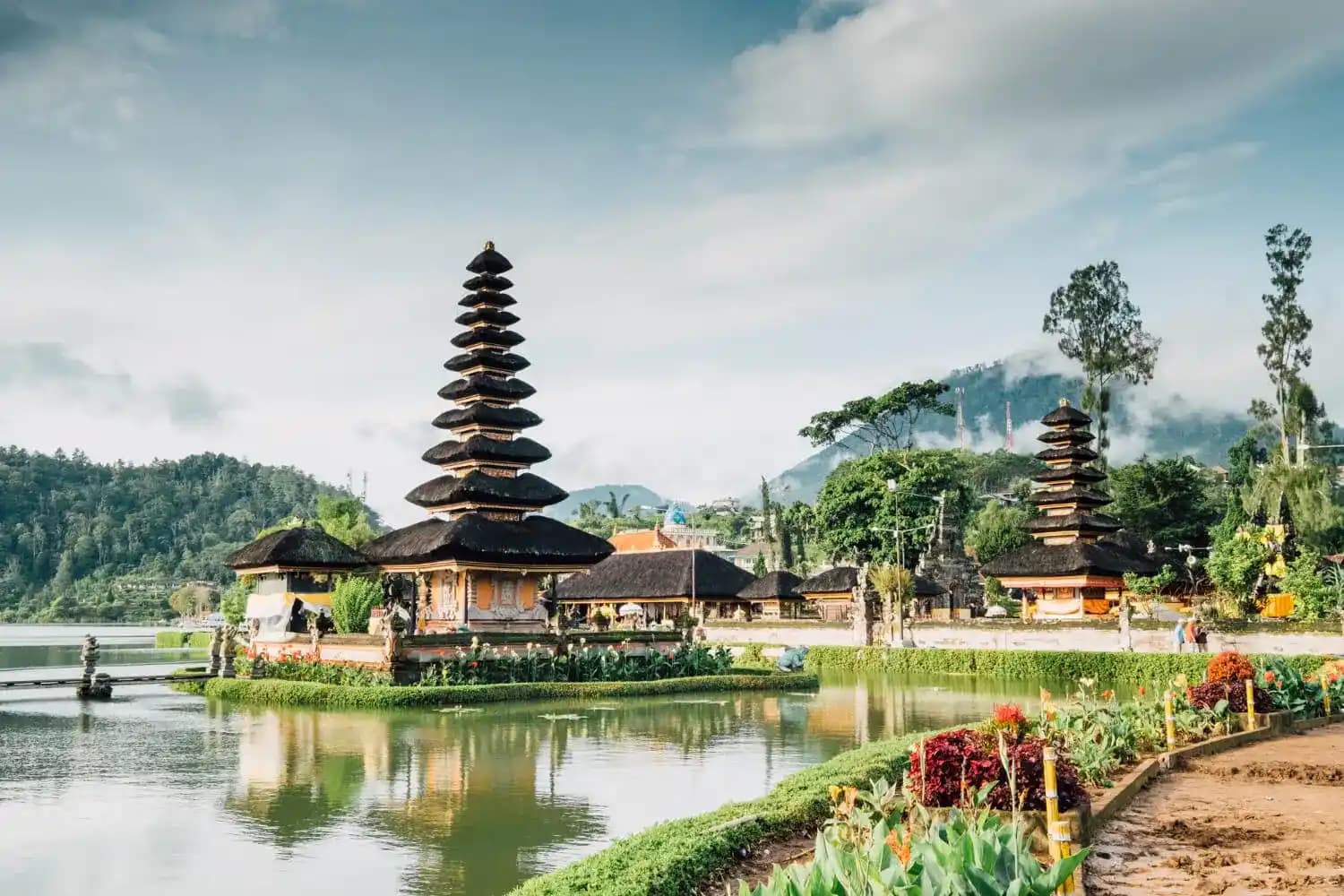

Explore Jeju - South Korea Travel, Asia
Jeju Island, often referred to as Jejudo, is South Korea's largest island, located in the Korea Strait, about 130 km off the southern coast of the Korean Peninsula. Known for its stunning volcanic landscapes and subtropical climate, Jeju is a popular destination for nature lovers and adventure seekers. The island is home to Hallasan Mountain, an extinct volcano and the highest peak in South Korea at 1,950 meters, offering scenic hiking trails and breathtaking views. Jeju's unique geography, shaped by volcanic activity millions of years ago, is characterized by basalt rock formations and lava tubes, many of which are UNESCO World Heritage Sites. The island's gentle slope, subtropical climate, and picturesque coastline make it ideal for outdoor activities, including hiking, cycling, and beach visits. Jeju’s rich cultural heritage, with its distinct traditions, cuisine, and famous haenyeo (female divers), further enhances its appeal to visitors seeking both natural beauty and cultural exploration.
Population: Approximately 670,000 in 2024.
Economy: Jeju Island's economy is deeply rooted in its primary industries, including agriculture, fishing, and livestock. The island is especially famous for its tangerines, producing 99.8% of South Korea’s supply, along with a variety of vegetables, fruits, and pork. Its fertile volcanic soil and mild climate make Jeju an ideal location for agriculture. Tourism is another cornerstone of the economy, attracting over 10 million visitors annually with its volcanic landscapes, beaches, and cultural heritage.
Landmarks: Hallasan Mountain, Seongsan Ilchulbong (Sunrise Peak), Manjanggul Lava Tube, Jeongbang Waterfall, Tangerine Orchards.

Overview of Jeju
History & Culture Influence
Jeju Island, located off the southern coast of South Korea, has a rich history dating back millions of years. The island was formed by volcanic activity around 2 million years ago and its origin has significantly influenced Jeju's landscape and culture. In 938, Jeju came under the control of the Goryeo dynasty, and later, in 1392, it became part of the Joseon kingdom. During these periods, Jeju served as a place of exile for political dissidents from the mainland, further influencing its social and cultural landscape. This history of isolation and exile contributed to the development of Jeju's resilient and self-reliant character.
A pivotal moment in Jeju's modern history occurred in 1948-1949 with the Jeju Uprising. This violent conflict against South Korean rule resulted in thousands of deaths and had a profound impact on the island's people. The memory of this tragic event continues to shape Jeju's identity and its commitment to peace. Jeju's diverse influences throughout history have contributed to its unique cultural heritage.
Interaction with The Locals
The vast majority are ethnic Koreans, with a small but growing international community. Many residents are native Jeju islanders who have distinct cultural traditions and dialect from mainland Koreans. Jeju locals are generally friendly and hospitable towards tourists. The island's economy relies heavily on tourism, so many residents are accustomed to interacting with visitors and often go out of their way to be helpful. However, visitors should be respectful of local customs and the environment, as Jeju people take great pride in their natural and cultural heritage.

Top Attractions in Jeju
Jeju Island, a stunning destination in South Korea, offers a diverse array of attractions that highlight its natural beauty, historical significance, and rich cultural heritage. Here are some of the top attractions that make Jeju unique and appealing to visitors:
- Seongsan Ilchulbong (Sunrise Peak): Seongsan Ilchulbong is a UNESCO World Heritage Site formed by a volcanic eruption approximately 5,000 years ago. This tuff cone is renowned for its breathtaking sunrises, drawing visitors who hike to the summit for panoramic views of the surrounding coastline and the crater below. The area is also home to various hiking trails that connect local villages, making it a perfect spot for both nature lovers and those seeking cultural experiences.
- Hallasan National Park: Home to South Korea's highest peak, Hallasan Mountain, this national park is a haven for hikers and nature enthusiasts. The park features diverse ecosystems, including over 1,800 plant species and numerous animal species. Trails range from easy walks to challenging hikes, with the summit offering stunning views of the island and the surrounding ocean. Hallasan is not only a natural landmark but also an important site for scientific research due to its unique geological features.
- Manjanggul Lava Tube: One of the longest lava tubes in the world, Manjanggul Lava Tube is a fascinating geological formation created by volcanic activity. Visitors can explore a portion of the tube, which features impressive stalactites and other lava formations. As a UNESCO World Heritage Site, it offers a glimpse into the volcanic history of Jeju and is a must-visit for those interested in geology and natural history.
- Jeju Folk Village: This cultural attraction provides an immersive experience into the traditional lifestyle of Jeju's inhabitants. The village showcases well-preserved thatched-roof houses, artifacts, and demonstrations of local crafts and customs. Visitors can learn about Jeju's unique culture, including its dialect, traditional clothing, and agricultural practices, making it an educational stop for families and history enthusiasts.
- Cheonjeyeon Waterfalls: Known as the "Pond of Heaven," Cheonjeyeon Waterfalls consists of three beautiful cascades surrounded by lush greenery. The area is rich in biodiversity, and visitors can enjoy scenic walks along well-maintained paths. The falls are particularly stunning in the spring when the surrounding flowers bloom, making it a popular spot for photography and relaxation.
- Udo Island: Just a short ferry ride from Jeju, Udo Island is famous for its pristine beaches, clear waters, and scenic landscapes. Visitors can explore the island by bike or scooter, enjoying attractions like the iconic Udo Lighthouse and beautiful sandy beaches. Udo is also known for its local delicacies, including peanut ice cream and fresh seafood, making it a delightful getaway for food lovers.

Must-Try Dishes in Jeju
Not only famous for its stunning landscapes but also for its unique and flavorful cuisine. Here are some Jeju Island must-try dishes that reflect the culinary heritage and local ingredients:
- Jeju Black Pork: Jeju Black Pork is a renowned specialty that comes from the island's native black-haired pigs. This pork is celebrated for its rich flavor, tenderness, and unique texture. The meat is often grilled or barbecued, allowing the natural flavors to shine. Dining on Jeju Black Pork is a must for meat lovers, and it can be found in many restaurants, particularly along Black Pork Street in Jeju City, where various establishments serve this delicacy in different styles.
- Galchi Jorim: Galchi Jorim is a traditional dish featuring braised cutlassfish, known for its delicate texture and rich flavor. The fish is cooked in a savory and spicy sauce, often accompanied by vegetables like radish and potatoes. This dish is a favorite among locals and is typically served in a communal pot, making it a perfect choice for sharing during family meals. Its popularity highlights Jeju's strong seafood culture, reflecting the island's maritime heritage.
- Gogi Guksu: Gogi Guksu, or pork noodle soup, is a comforting dish that showcases the island's unique culinary identity. The soup is made with slow-boiled pork, resulting in a rich, savory broth that is served with yellow noodles. This dish is often garnished with spring onions and can be seasoned with chili flakes for added flavor. Gogi Guksu is a staple in local eateries and is enjoyed by both residents and visitors, making it a quintessential Jeju comfort food.
- Hallabong Tangerines: Hallabong tangerines are a local citrus fruit that has become synonymous with Jeju's agricultural pride. Known for their sweet, juicy flavor and distinctive shape resembling Hallasan Mountain, these tangerines are a seasonal delight. They are often enjoyed fresh or used in various desserts and beverages. Hallabong tangerines are not just a snack; they represent the island's rich farming traditions and are a popular souvenir for visitors.
- Mulhoe: Mulhoe is a refreshing cold seafood dish, perfect for hot summer days. It consists of raw fish, such as cuttlefish or damselfish, served in a sweet and spicy broth made from gochujang (Korean chili paste) and vinegar. This dish is often garnished with vegetables and served over ice, making it a light and flavorful option. Mulhoe reflects Jeju's abundant seafood resources and is a popular choice among locals and tourists alike.
- Bingtteok: Bingtteok is a traditional Jeju dish made from buckwheat, which is widely cultivated on the island due to its volcanic soil. This dish consists of thin pancakes rolled with cooked radish slices and is often enjoyed as a snack or light meal. While it may not be as well-known as other dishes, bingtteok is a beloved local specialty that highlights Jeju's agricultural practices and the islanders' resourcefulness in using available ingredients.

Festivals & Local Celebrations
Jeju Fire Festival (Jeongwol Daeboreum Fire Festival)
- Time of Year: Late February to early March
- The Jeju Fire Festival celebrates the island’s agricultural heritage and marks the start of the lunar new year. The highlight is the dramatic burning of oreum (volcanic cones), a practice that symbolizes a good harvest. Visitors can participate in traditional cultural activities and watch live performances, making it an unforgettable experience.
Jeju Cherry Blossom Festival
- Time of Year: Late March to early April
- Jeju's Cherry Blossom Festival is a stunning celebration of spring as cherry blossoms blanket the island. Jeonnong-ro Cherry Blossom Street is a particularly popular spot, where visitors can admire the blooms while enjoying cultural performances and local festivities.
Jeju Olle Walking Festival
- Time of Year: November
- This festival celebrates Jeju’s renowned Olle walking trails, offering guided walks along some of the island’s most scenic routes. Participants can experience local culture, taste traditional food, and enjoy performances along the way, making it an active and immersive cultural experience.
Seongsan Sunrise Festival
- Time of Year: December 31 - January 1
- Held at Seongsan Ilchulbong Peak, this festival welcomes the new year with the first sunrise of the year. The festival features cultural performances, fireworks, and opportunities to make wishes for good fortune in the upcoming year.
Jeju Haenyeo Festival
- Time of Year: September or October
- The Jeju Haenyeo Festival honors the island's iconic female divers. Visitors can watch live diving demonstrations, sample fresh seafood, and explore exhibitions about the haenyeo's rich cultural history, offering insight into this unique and resilient tradition.

What to Do in Jeju
- Hiking Hallasan Mountain: Hallasan Mountain, the highest peak in South Korea, is a must for outdoor adventurers. The mountain is located in Hallasan National Park and offers various hiking trails that provide stunning views of the surrounding landscapes. The summit trail is about 9.6 kilometers one way and takes approximately 4-5 hours to reach the top. Hikers are rewarded with panoramic views and a crater lake at the summit, making it a memorable experience for nature lovers.
- Exploring Manjanggul Lava Tube: One of the longest lava tubes in the world, Manjanggul Lava Tube is a fascinating geological wonder. Visitors can walk through a section of the tube, which features impressive stalactites and lava formations. The cool, dark environment provides a unique contrast to the island's sunny beaches and is an excellent opportunity to learn about Jeju's volcanic history.
- Visiting Seongsan Ilchulbong (Sunrise Peak): Seongsan Ilchulbong is a UNESCO World Heritage Site and a popular spot for watching the sunrise. The tuff cone rises dramatically from the sea, and the hike to the top takes about 30 minutes. Visitors are rewarded with breathtaking views of the surrounding ocean and the crater at the summit. The area is also rich in flora and fauna, making it a great spot for nature photography.
- Experiencing Jeju's Haenyeo Culture: The haenyeo, or female divers, are an integral part of Jeju's cultural heritage. Visitors can experience this unique aspect of local life by participating in a haenyeo diving experience or visiting the Haenyeo Museum. This cultural experience highlights the skills and traditions of these remarkable women who have been harvesting seafood through free diving for centuries.
- Relaxing at Hamdeok Beach: Hamdeok Beach is one of Jeju's most beautiful beaches, known for its clear blue waters and soft sand. It’s an ideal spot for swimming, sunbathing, and enjoying water sports like paddleboarding and kayaking. The beach is surrounded by scenic views and offers facilities such as cafes and restaurants, making it a perfect place to unwind after a day of exploration.

Shopping in Jeju
- Dongmun Market: Opened in 1945, Dongmun Market is one of Jeju's oldest and most vibrant traditional markets. It offers a wide variety of fresh produce, seafood, and local delicacies. Visitors can find Jeju’s famous tangerines, seafood like cuttlefish and abalone, and traditional snacks such as omegitteok (millet cake) and borippang (steamed barley buns). In the evening, the market turns into a lively street food destination, where travelers can enjoy dishes like grilled fish and black pork, making it a must-visit for food enthusiasts.
- Seogwipo Maeil Olle Market: Seogwipo Maeil Olle Market is a lively market known for its diverse food offerings and handmade crafts. Here, you can sample traditional Jeju snacks, including rice cakes and seafood specialties like jeonbokjuk (abalone porridge) and fresh hallabong juice. The market’s vibrant atmosphere provides an authentic experience of Jeju’s local culture and flavors.
- Chilseong-ro Shopping Street: Chilseong-ro Shopping Street is a bustling area combining street-level and underground shopping options. From trendy Korean fashion boutiques to cosmetics shops and international brands, it offers a diverse shopping experience. Fashion enthusiasts can explore the latest K-fashion trends and beauty products, making it a prime spot for style lovers.
- Jeju Jungang Underground Shopping Center: The Jungang Underground Shopping Center offers a wide variety of stores selling clothing, accessories, and cosmetics. It provides a comfortable shopping environment away from the elements and is perfect for browsing or relaxing in one of the small cafes and restaurants scattered throughout the mall.
- Jeju Traditional Five-Day Market: Operating only on dates ending in 2 and 7, the Jeju Traditional Five-Day Market is a lively marketplace offering everything from fresh produce to handcrafted goods. The market provides a genuine local experience, allowing visitors to browse through traditional goods, pick up unique souvenirs, and enjoy the bustling atmosphere.

Weather in Jeju: Best Time to Visit
Jeju Island, located in the Korea Strait, has a temperate humid climate characterized by mild winters and hot, humid summers. Understanding the weather patterns, average temperatures, and rainfall can help travelers pack appropriately for their visit.
Average Temperatures
Jeju experiences a range of temperatures throughout the year:
- Winter (December to February): Average daytime temperatures range from 5°C to 10°C (41°F to 50°F). Nights can be cooler, occasionally dropping to around -5°C (23°F). Snowfall is rare but can occur.
- Spring (March to May): Temperatures gradually rise, with averages from 10°C to 22°C (50°F to 72°F). This season is generally mild and pleasant, making it ideal for outdoor activities.
- Summer (June to August): Summers are hot and humid, with average highs of 26°C to 30°C (79°F to 86°F). July and August can see temperatures reaching up to 34°C (93°F). The humidity can make it feel warmer, and tropical nights are common, where temperatures remain above 25°C (77°F).
- Autumn (September to November): Average temperatures range from 15°C to 21°C (59°F to 70°F). This season is characterized by mild weather and beautiful fall foliage.
Best Time to Visit
Spring (April-May) and Autumn (September-October) are generally considered the best times to visit due to mild temperatures and less rainfall. These seasons also offer beautiful natural scenery with cherry blossoms in spring and colorful foliage in autumn.

Essential Travel Information
Getting Around Jeju
Jeju Island offers several transportation options to help travelers easily navigate the island and while its public transportation system is limited, there are still options for getting around:
- Buses: Public buses run within the city and nearby areas. Tickets can be purchased on board, and buses are a cost-effective way to explore Jeju.
- Taxis: Taxis are widely available and can be hailed on the street or booked by phone. Be sure to confirm the fare before starting, as not all taxis use meters.
- Ride-Sharing Services: Apps like Kakao T are widely used in Korea, though availability may vary in Jeju. It’s a good idea to check the app for local options.
ATM and Banking Services
Jeju Island has an extensive network of ATMs available at the airport, hotels, and across the city.
- Global ATMs: Look for ATMs with the "Global" logo, as these are the most foreigner-friendly and accept international cards. Shinhan Bank, Hana Bank, and KB Kookmin Bank are common banks with accessible ATMs.
- Withdrawal Fees: Be mindful of withdrawal fees, which are typically around 3,500 KRW per transaction for foreign cards.
- Currency Exchange: Currency exchange services can be found at the airport and major hotels for easy cash access.
Where to Stay in Jeju
- Mid-Range Hotels: These accommodations typically offer modern amenities, including Wi-Fi, breakfast, and comfortable rooms. Many are situated near attractions, providing convenient access while maintaining a relaxed and cozy environment.
- Luxury Resorts: For those looking to indulge, Jeju boasts high-end resorts with stunning ocean views and premium services. These resorts often feature amenities like spas, fine dining, and outdoor pools, making them perfect for a more relaxed and luxurious stay.
- Unique Stays: Jeju is also known for its unique accommodation options, including traditional Korean guesthouses (hanok) and eco-friendly lodges. These stays offer a more immersive experience, allowing travelers to connect with Jeju’s culture and natural environment. Many of these accommodations focus on sustainability and nature, offering an alternative way to experience the island.

Articles for you

Explore Danyang: Top South Korea Travel & Asia Tweet Tours
Danyang, a picturesque county in South Korea, is located in North Chungcheong Province and is known for its stunning natural landscapes and rich cultural heritage. Situated approximately 150 kilometers (93 miles) southeast of Seoul, nestled in a mountainous region that includes parts of Sobaeksan National Park. The area is characterized by its beautiful rivers, valleys, and limestone caves.
Danyang is renowned for its breathtaking scenery, particularly the Danyanggang River, which provides opportunities for outdoor activities like hiking, cycling, and water sports. The county is also famous for its Gosu Cave, a spectacular limestone cave featuring impressive stalactites and stalagmites.
Craving an exceptional South Korea adventure? Explore our handpicked premium tours here for the ultimate experience.
Population: Approximately 800,000 in 2024.
Economy: Danyang is a popular tourist destination known for its stunning natural landscapes, including mountains, rivers, and caves. Attractions like Gosu Cave and the Danyanggang River draw visitors, contributing significantly to the local economy through hospitality, dining, and recreational activities.
The region surrounding Danyang is characterized by agricultural activities, with local farms producing various crops. This agricultural base supports local markets and contributes to the food supply for the area.
Landmarks: Gosu Cave, Danyanggang River, Sobaeksan National Park, Danyang Wine Tunnel, Guinsa Temple, Ondal Gwangwangji

Explore Pohang: Top South Korea Travel Destinations
Pohang is a major industrial city located on the east coast of South Korea in North Gyeongsang Province, approximately 110 km (70 mi) north of Busan and 360 km (230 mi) southeast of Seoul. Renowned for its steel production, primarily through POSCO, one of the world's largest steel companies, Pohang also offers stunning coastal landscapes, including Yeongildae Beach and the iconic Homigot Sunrise Square, home to the "Hands of Harmony" sculptures symbolizing peace and hope. Travelers are drawn to the city's vibrant seafood culture, best experienced at the bustling Jukdo Fish Market. Additionally, Pohang hosts the annual Steel Art Festival, celebrating the city's unique blend of art and industry, making it a captivating destination for both cultural and natural attractions.
Looking for an unforgettable journey through South Korea? Explore our premium tours here and start planning your adventure
Population: Estimate 500,000 people (as of 2024)
Economy: Pohang is primarily known for its steel industry, with POSCO (Pohang Steel Company) being one of the largest steel producers globally, contributing to both local and national economic growth. The city's economy also includes food, textile, and metal industries, alongside a robust fishing sector due to its proximity to the Sea of Japan. Agricultural products such as grapes, persimmons, and garlic chives are also cultivated in the region.
Landmarks: Hwanho Park Space Walk, Jukdo Fish Market, Hwanho Sunrise Park, Yeongildae Beach, Yeongildae Maritime Pavilion (Floating Pavilion), POSCO Art Museum, Homigot Sunrise Square

Explore Sokcho: Top South Korea Travel Destinations
Sokcho is situated on the northeastern coast, along the East Sea, approximately 215 kilometers east of Seoul. Originally a fishing village, later became a mineral transfer port in 1937, and changed hands from North to South Korea in 1951. It is surrounded by the Seoraksan National Park, one of the most beautiful mountain ranges in the country. The city is located about 215 km east of Seoul and is easily accessible by road and bus. Sokcho is known for its seafood and fishing industry, with many restaurants and markets offering fresh local catches. The city also hosts several festivals throughout the year, including the Sokcho Sea Festival in August, which celebrates the city's maritime heritage with music, food, and cultural performances.
Embark on a journey beyond the ordinary—discover our premium South Korea tours here for a truly unique travel experience.
Population: approximately 83,000 as of 2024.
Economy: Sokcho is a major tourist hub, primarily due to its proximity to Seoraksan National Park, which attracts hikers and nature enthusiasts. The city's tourism industry has flourished, particularly after improvements in transportation, such as the opening of the Donghae Expressway, making it more accessible from Seoul. Visitors can expect a wide range of accommodations, restaurants, and activities that cater to tourists.
Landmarks: Seoraksan National Park, Sokcho Beach, Abai Village,Sinheungsa Temple, Sokcho Expo Tower, Yeonggeumjeong Pavilion, Daepo Port

Explore Namhae: Top South Korea Travel Destinations
Namhae is an island county located in the South Gyeongsang Province of South Korea. Situated off the southern coast of the Korean Peninsula, approximately 60 kilometers from the city of Jinju. The county encompasses Namhae Island and several smaller islands, offering beautiful coastal views and diverse landscapes. Often referred to as the "Treasure Island" of Korea due to its breathtaking scenery, including mountains, beaches, and terraced rice fields. The region is ideal for outdoor activities such as hiking, kayaking, and fishing. The county is home to various cultural sites, including the famous Boriam Temple, which is one of the five most significant temples in South Korea, offering stunning views from its location atop Geumsan Mountain.
Population: Approximately 50,000 in 2024.
Economy: Tourism plays a significant role in Namhae's economy, with attractions such as the Namhae German Village, Boriam Temple, and the scenic terraced fields of Da-rang-yi Village drawing visitors year-round. Also renowned for its agricultural products, particularly high-quality garlic and rice. The region's fertile soil and favorable climate support various crops, making it a key area for farming in South Korea. Visitors can experience local farming practices and enjoy fresh produce at markets and restaurants.
Landmarks: Boriam Temple, Namhae Treasure Island Observatory, Namhae German Village, Da-rang-yi Terraced Rice Fields, Hallyeohaesang National Park, Geumsan Mountain

Explore Danyang: Top South Korea Travel & Asia Tweet Tours
Danyang, a picturesque county in South Korea, is located in North Chungcheong Province and is known for its stunning natural landscapes and rich cultural heritage. Situated approximately 150 kilometers (93 miles) southeast of Seoul, nestled in a mountainous region that includes parts of Sobaeksan National Park. The area is characterized by its beautiful rivers, valleys, and limestone caves.
Danyang is renowned for its breathtaking scenery, particularly the Danyanggang River, which provides opportunities for outdoor activities like hiking, cycling, and water sports. The county is also famous for its Gosu Cave, a spectacular limestone cave featuring impressive stalactites and stalagmites.
Craving an exceptional South Korea adventure? Explore our handpicked premium tours here for the ultimate experience.
Population: Approximately 800,000 in 2024.
Economy: Danyang is a popular tourist destination known for its stunning natural landscapes, including mountains, rivers, and caves. Attractions like Gosu Cave and the Danyanggang River draw visitors, contributing significantly to the local economy through hospitality, dining, and recreational activities.
The region surrounding Danyang is characterized by agricultural activities, with local farms producing various crops. This agricultural base supports local markets and contributes to the food supply for the area.
Landmarks: Gosu Cave, Danyanggang River, Sobaeksan National Park, Danyang Wine Tunnel, Guinsa Temple, Ondal Gwangwangji

Explore Pohang: Top South Korea Travel Destinations
Pohang is a major industrial city located on the east coast of South Korea in North Gyeongsang Province, approximately 110 km (70 mi) north of Busan and 360 km (230 mi) southeast of Seoul. Renowned for its steel production, primarily through POSCO, one of the world's largest steel companies, Pohang also offers stunning coastal landscapes, including Yeongildae Beach and the iconic Homigot Sunrise Square, home to the "Hands of Harmony" sculptures symbolizing peace and hope. Travelers are drawn to the city's vibrant seafood culture, best experienced at the bustling Jukdo Fish Market. Additionally, Pohang hosts the annual Steel Art Festival, celebrating the city's unique blend of art and industry, making it a captivating destination for both cultural and natural attractions.
Looking for an unforgettable journey through South Korea? Explore our premium tours here and start planning your adventure
Population: Estimate 500,000 people (as of 2024)
Economy: Pohang is primarily known for its steel industry, with POSCO (Pohang Steel Company) being one of the largest steel producers globally, contributing to both local and national economic growth. The city's economy also includes food, textile, and metal industries, alongside a robust fishing sector due to its proximity to the Sea of Japan. Agricultural products such as grapes, persimmons, and garlic chives are also cultivated in the region.
Landmarks: Hwanho Park Space Walk, Jukdo Fish Market, Hwanho Sunrise Park, Yeongildae Beach, Yeongildae Maritime Pavilion (Floating Pavilion), POSCO Art Museum, Homigot Sunrise Square

Explore Sokcho: Top South Korea Travel Destinations
Sokcho is situated on the northeastern coast, along the East Sea, approximately 215 kilometers east of Seoul. Originally a fishing village, later became a mineral transfer port in 1937, and changed hands from North to South Korea in 1951. It is surrounded by the Seoraksan National Park, one of the most beautiful mountain ranges in the country. The city is located about 215 km east of Seoul and is easily accessible by road and bus. Sokcho is known for its seafood and fishing industry, with many restaurants and markets offering fresh local catches. The city also hosts several festivals throughout the year, including the Sokcho Sea Festival in August, which celebrates the city's maritime heritage with music, food, and cultural performances.
Embark on a journey beyond the ordinary—discover our premium South Korea tours here for a truly unique travel experience.
Population: approximately 83,000 as of 2024.
Economy: Sokcho is a major tourist hub, primarily due to its proximity to Seoraksan National Park, which attracts hikers and nature enthusiasts. The city's tourism industry has flourished, particularly after improvements in transportation, such as the opening of the Donghae Expressway, making it more accessible from Seoul. Visitors can expect a wide range of accommodations, restaurants, and activities that cater to tourists.
Landmarks: Seoraksan National Park, Sokcho Beach, Abai Village,Sinheungsa Temple, Sokcho Expo Tower, Yeonggeumjeong Pavilion, Daepo Port

Explore Namhae: Top South Korea Travel Destinations
Namhae is an island county located in the South Gyeongsang Province of South Korea. Situated off the southern coast of the Korean Peninsula, approximately 60 kilometers from the city of Jinju. The county encompasses Namhae Island and several smaller islands, offering beautiful coastal views and diverse landscapes. Often referred to as the "Treasure Island" of Korea due to its breathtaking scenery, including mountains, beaches, and terraced rice fields. The region is ideal for outdoor activities such as hiking, kayaking, and fishing. The county is home to various cultural sites, including the famous Boriam Temple, which is one of the five most significant temples in South Korea, offering stunning views from its location atop Geumsan Mountain.
Population: Approximately 50,000 in 2024.
Economy: Tourism plays a significant role in Namhae's economy, with attractions such as the Namhae German Village, Boriam Temple, and the scenic terraced fields of Da-rang-yi Village drawing visitors year-round. Also renowned for its agricultural products, particularly high-quality garlic and rice. The region's fertile soil and favorable climate support various crops, making it a key area for farming in South Korea. Visitors can experience local farming practices and enjoy fresh produce at markets and restaurants.
Landmarks: Boriam Temple, Namhae Treasure Island Observatory, Namhae German Village, Da-rang-yi Terraced Rice Fields, Hallyeohaesang National Park, Geumsan Mountain
Our Best-Selling Tours
Follow Us