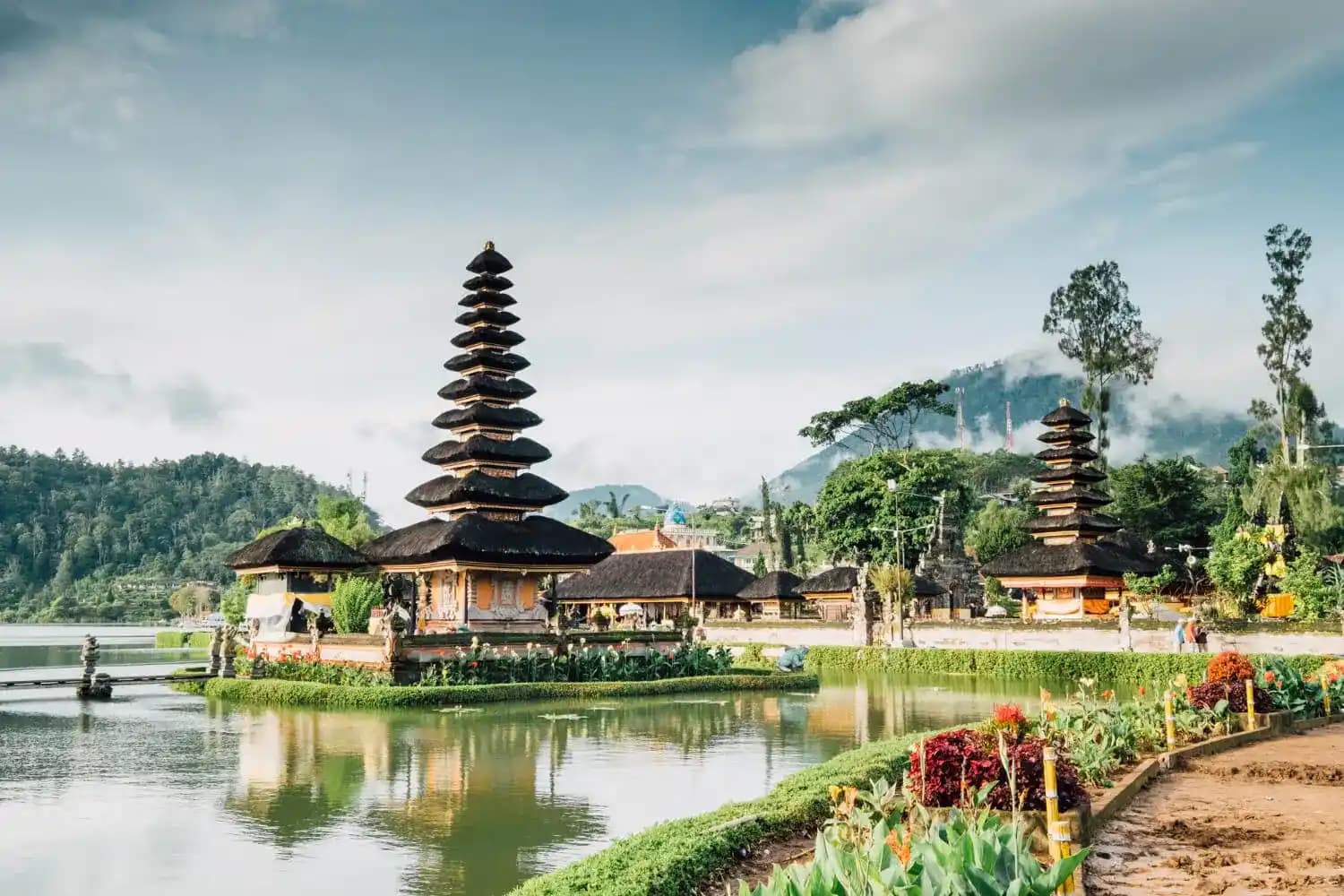

Explore Daegu - South Korea Travel, Asia
Daegu, officially known as Daegu Metropolitan City, is one of the largest cities in South Korea, located in the southeastern part of the country. It is situated in an inland basin surrounded by mountains, including Palgongsan and Biseulsan, and is traversed by the Geumho and Nakdong Rivers. The city covers an area of about 884 square kilometers and is a central hub in the Yeongnam region, known for its fertile land and strategic location between Seoul and Busan.
Population Approximately 2.4 million people.
Economy: Daegu is an important manufacturing center, known for its textile and electronics industries. Major companies headquartered in Daegu include Dongbu Group, Keimyung University, and Daegu Bank. The city is also a hub for medical services, with several large hospitals and medical schools.
Attractions: Daegu Yangnyeongsi Herb Medicine Market, Donghwasa Temple, Daegu Duryu Park, Daegu Tower

Overview of Daegu
History & Cultural Influence
Historically, Daegu has been an important administrative, economic, and cultural center. It was the capital of the Gyeongsang province during the Joseon Dynasty and played a significant role in Korea's textile industry during the 20th century. The city has a rich history dating back to the prehistoric era, with archaeological finds indicating human settlement for thousands of years. Daegu is known for its vibrant cultural scene, including festivals, traditional markets like Seomun Market, and its role in the Korean Wave, producing famous celebrities. The city also hosts significant cultural events and is recognized for its contributions to modern arts and culture.
Interaction with The Locals
Visitors to Daegu can expect to interact with a predominantly Korean population, as the city is largely homogeneous with few non-Koreans residing there. There are also English-speaking Westerners involved in education and a small number of American military personnel due to the presence of U.S. military bases. The people of Daegu are known for their friendliness and hospitality towards visitors. The city has a rich cultural heritage and is proud of its history and traditions, which are often shared with tourists. Daegu is also a center for modern arts and culture, attracting international visitors to its cultural events and festivals.

Top Attractions in Daegu
Daegu offers a mix of cultural and natural attractions, perfect for travelers looking to explore South Korea. Must-visit spots include Seomun Market, one of the country’s largest traditional markets, and Apsan Park, which boasts stunning panoramic views of the city. Don’t miss Donghwasa Temple on Palgongsan Mountain for a serene glimpse into the region’s rich Buddhist history.
Seomun Market
Location: 10, Keunjang-ro 28-gil, Jung-gu, Daegu, South Korea
As one of Korea's largest and oldest traditional markets, Seomun Market is a bustling hub where the past and present meet. Famous for its energetic atmosphere, it’s the perfect spot to dive into local culture. You’ll find everything from vibrant textiles and traditional clothing to a tempting array of street foods. Be sure to try local favorites like dumplings and rice cakes as you explore the countless stalls. It’s a great place to shop for unique souvenirs and immerse yourself in the flavors and traditions of Daegu.
Donghwasa Temple
Location: 250, Donghwasa-ro, Daegu, South Korea
Located on the slopes of Palgongsan Mountain, Donghwasa Temple is a historical gem dating back to the 6th century. This Buddhist temple is renowned for its peaceful ambiance and stunning architecture, including a massive statue of the Buddha. Visitors can even participate in temple stays, allowing them to experience traditional Buddhist practices and connect with the serene natural surroundings. It’s an ideal spot for those seeking spiritual tranquility and cultural enrichment.
Daegu Art Museum
Location: 140, Sangyeok-ro, Daegu, South Korea
For art lovers, the Daegu Art Museum is a modern cultural hotspot. The museum hosts a wide variety of contemporary exhibitions, showcasing works from both local and international artists. The building itself is architecturally striking, making it as much of a visual experience as the art inside. In addition to its exhibitions, the museum offers cultural events and educational programs, making it a perfect stop for anyone interested in Korea’s evolving art scene.
Daegu 83 Tower
Location: 200, Duryu-dong, Daegu, South Korea
Standing at 202 meters, Daegu 83 Tower is a must-visit for stunning views of the city. Its observation deck offers panoramic views, and if you're in the mood for a meal with a view, the revolving restaurant is a unique dining experience. The tower is not just about the view, though—it’s also a cultural landmark where visitors can learn about its history and significance in Daegu.
Gyesan Cathedral
Location: 36, Gyesan-dong, Daegu, South Korea
Gyesan Cathedral is one of the oldest and most beautiful Catholic churches in Daegu. Blending Romanesque and Gothic architectural styles, this cathedral stands as both a religious and historical landmark. Visitors can take guided tours to learn about the history of Christianity in the region and the role the cathedral played in the local community. The peaceful atmosphere and beautiful architecture make it a serene stop for anyone exploring Daegu.

Must-Try Dishes in Daegu
Daegu is famous for its delicious local cuisine, with must-try dishes like Daegu Makchang, a flavorful grilled pork intestine dish that’s beloved by locals. Another favorite is Napjak Mandu, thin, crispy dumplings served with a side of spicy dipping sauce. Be sure to visit the bustling street food stalls for authentic tastes of Daegu's vibrant food culture!
- Flat Dumplings (Napchak Mandu): Unlike typical dumplings, Daegu's flat dumplings are known for their unique shape and simple filling, which includes shredded vegetables and glass noodles. The appeal of these dumplings lies in their light and satisfying taste, making them a popular snack among locals and visitors alike.
- Ddaro Gukbap: This dish became a specialty in Daegu after the Korean War. It features a hearty soup served separately from the rice, a practice that originated in Daegu. The soup is rich in flavor, often enhanced with plenty of green onions, and is a beloved comfort food in the region.
- Makchang (Grilled Cow Abomasum): Makchang is a popular dish in Daegu, consisting of grilled cow abomasum (the fourth stomach of a cow). Known for its chewy texture and rich flavor, it is often enjoyed as a snack alongside a glass of beer. This dish is a testament to the Korean love for grilled meats and intestines.
- Dongin-dong Jjim Galbi: This dish features braised beef short ribs cooked in a spicy and savory sauce, a style that originated in the Dongin-dong area of Daegu. The tender meat and flavorful sauce make it a favorite among meat lovers and a must-try for those exploring Daegu's culinary scene.
- Yellow Guksoo: A variation of kalguksu, yellow guksoo is a noodle dish made with dough that includes bean powder, giving it a distinctive yellow color. Served in a clean and flavorful anchovy broth, this dish is simple yet addictive, often garnished with green cabbage.
- Sashimi Moochim: This dish is perfect for fans of spicy food. It consists of fresh sashimi seasoned with spicy Korean marinades, offering a sweet and spicy flavor. The combination of raw seafood and vegetables marinated to perfection makes it a refreshing choice for those looking to awaken their taste buds.

Weather in Daegu: Best Time to Visit
- Temperatures: Daegu experiences a humid subtropical climate with four distinct seasons. In winter, average high temperatures hover around 5.8°C (42°F) in January, while summer highs can soar to 31°C (88°F) in August. January brings the coldest nights, with temperatures dipping to -3.7°C (25°F), and occasionally dropping below -13°C (9°F). In contrast, summer nights remain warm, with lows around 22.6°C (73°F) in August.
- Rainfall: The city’s rainy season runs from June to August, with July and August being the wettest months. July sees around 225 mm (8.9 inches) of rainfall, while August averages 245 mm (9.6 inches). The driest months are January and December, with only about 20 mm (0.8 inches) of rain each. Daegu receives about 1080 mm (42.5 inches) of rain annually.
- Other Weather Patterns: Daegu tends to be humid year-round, with humidity levels ranging from 61-80%. Winters are typically sunny, though snow is rare due to the city’s southeastern location and low winter precipitation. Spring and fall offer mild and pleasant weather with plenty of sunshine, while summer brings hot, muggy conditions with heavy rain. During the peak of summer, temperatures can exceed 35°C (95°F).

Festivals & Local Celebration
Colorful Daegu Festival (Daegu Colorful Festival)
- Time: Usually held in May (2024 dates: May 11-12)
- The Colorful Daegu Festival is a vibrant street celebration that brings the city to life with parades, performances, and artistic displays. The highlight of the event is the Colorful Parade, featuring elaborate costumes and eye-catching floats. In addition to the parade, visitors can enjoy street performances, markets, exhibitions, and various cultural experiences, all of which celebrate Daegu’s creativity and rich cultural diversity.
Daegu International Musical Festival (DIMF)
- Time: June
- The Daegu International Musical Festival (DIMF) is a major event for musical theater enthusiasts, featuring performances from both local and international theater companies. The festival showcases a range of productions, from official invited shows to creative new works and student performances. Along with musical performances, attendees can enjoy workshops, exhibitions, and unique events like backstage tours and star meet-and-greets, all culminating in an awards ceremony that celebrates excellence in musical theater.
Daegu Chimac Festival
- Time: July
- The Daegu Chimac Festival is a food lover's paradise, dedicated to the beloved Korean pairing of fried chicken and beer, known as "chimac." Held in Duryu Park, the festival offers tastings from various vendors and franchises, live music performances, and even cooking contests. Whether you’re enjoying K-pop and rock concerts or participating in fun events, the Chimac Festival combines food, drink, and entertainment in a lively and unforgettable atmosphere.

Shopping in Daegu
- Daegu Yangnyeongsi Herb Medicine Market: This is the largest traditional herbal medicine market in Asia, dating back to the 15th century. Browse stalls selling a wide variety of Korean medicinal herbs, teas, and health products. Look for traditional Korean ginseng, red ginseng products, and herbal remedies as unique souvenirs.
- Seomun Market: Daegu's largest traditional market, offering a diverse range of goods from clothing and accessories to household items. You can find traditional Korean handicrafts, ceramics, and textiles at the market's specialty craft stalls. Try local street food and snacks as you explore the lively market atmosphere.
- Palgongsan Mountain Craft Village: Located at the base of Palgongsan Mountain, this village is known for its traditional Korean craft workshops. Watch artisans demonstrate techniques for making pottery, wood carvings, and other handmade items. Purchase unique, locally-made souvenirs like ceramic tea sets, wooden figurines, and traditional fans.
- Daegu Duryu Park: The park's cultural center has a gift shop selling a variety of Korean souvenirs and crafts. Browse for items like traditional Korean fans, silk scarves, and decorative paper products. The park also hosts seasonal festivals and markets where you can find additional local handicrafts.
- Daegu International Airport: The airport's duty-free shops offer a wide selection of Korean beauty products, snacks, and souvenirs. Pick up ginseng, Korean cosmetics, traditional teas, and other last-minute gifts before your departure.

Culture Etiquette in Daegu
- Greetings and Bowing: When meeting someone in Korea, a slight bow is considered polite, and the depth of the bow reflects the level of respect. While handshakes are common, especially among men, using both hands for the handshake shows added respect and is a nice touch.
- The Two-Hand Rule: Always use both hands when giving or receiving items—whether it’s paying in a shop, receiving a gift, or pouring and accepting drinks. This gesture shows respect and is an important part of Korean etiquette.
- Dining Etiquette: At mealtimes, it’s polite to wait for elders or seniors to start eating before you do. When using chopsticks, handle them with care—never point them at others or stick them upright in rice, as this is associated with funerals. Pouring drinks for others is customary, and it's polite to let others pour for you as well.
- Shoes: When entering someone’s home, or certain traditional restaurants and buildings, be sure to remove your shoes as a sign of respect.
- Public Behavior: Public displays of affection are generally frowned upon in Korea, so it's best to keep gestures subtle. Be mindful of your volume in public spaces, as Koreans often value quieter environments.
- Respect for Elders: Elders are given extra respect in Korean culture. This can mean using honorific language, offering your seat on public transportation, or serving them first during meals.
- Dress Code: Modest dress is expected, especially when visiting religious sites or attending formal occasions. It's a simple way to show respect for local customs.
- Gift-Giving: If you’re invited to a Korean home, bringing a small gift is a thoughtful gesture. Avoid wrapping gifts in black or white paper, as these colors are traditionally linked to funerals.
- Temple Etiquette: When visiting temples, make sure to dress modestly and remain respectful of the religious customs and practices you may encounter.

Essential Travel Information
Getting Around Daegu
Airport Transfers
- Daegu International Airport is the main airport serving Daegu, located in the western part of the city.
- Airport limousine buses run directly from the airport to major hotels and bus terminals in Daegu. The journey takes around 30-40 minutes.
- Taxis are also available from the airport, with the fare to downtown Daegu costing around 20,000-25,000 KRW.
Public Transit
- Daegu has an extensive subway system called the Daegu Metro, with 3 lines covering major areas of the city. Trains run from around 5:30am to midnight.
- Buses are another convenient way to get around Daegu. There are local city buses, express buses, and intercity buses to other parts of South Korea.
Taxis
- Taxis are widely available in Daegu and are a good option for shorter trips or late at night when public transit is less frequent.
- Fares start at 2,800 KRW for the first 2 km, then 100 KRW for every 144 meters after that. There are additional charges for late night, holidays, and tolls.
- Most taxi drivers do not speak English, so having your destination written in Korean is helpful.
ATM and Banking Services
- ATM Availability: ATMs are easy to find throughout Daegu, conveniently located in banks, convenience stores, and various public areas. Many ATMs operate 24/7, though those inside bank branches may have more limited hours, so it’s always good to plan ahead.
- International Card Usage: If you're using a foreign card, look for ATMs marked with "Global Services" or "Global ATM" signs, along with Visa and Mastercard logos. Major banks like Daegu Bank (DGB) and global banks such as Citibank offer ATMs that are compatible with international cards, making withdrawals straightforward for travelers.
- Banking Options: In addition to Daegu Bank (DGB), which is a well-known local institution offering services like mobile banking through their BANKON app, other banks such as Busan Bank and Citibank also operate in Daegu, providing both locals and visitors with a range of banking options.
- ATM Fees: While withdrawing cash with a foreign card, be mindful that ATM fees may apply. It's a good idea to check with your home bank about any international withdrawal fees beforehand. Some banks may even offer fee-free withdrawals through partner institutions, so keep an eye out for those options.
- Currency Exchange: Currency exchange services are available at banks and dedicated exchange offices around the city. However, be cautious of Dynamic Currency Conversion (DCC) at ATMs, as it often provides less favorable exchange rates compared to local currency withdrawals.
Where to Stay in Daegu
As a bustling city, Daegu offers a wide variety of accommodation options to suit every traveler’s needs:
- Hotels: Daegu features both international and local hotel chains, providing comfort and convenience for travelers with different budgets and preferences.
- Guesthouses and Hostels: For budget-conscious visitors, guesthouses and hostels are popular choices, especially among younger travelers and backpackers.
- Traditional Accommodations: If you're looking for a cultural experience, consider staying in a hanok, a traditional Korean house, for a more authentic stay.
- Serviced Apartments: Ideal for longer stays, serviced apartments offer more space and amenities, making them perfect for families or those seeking a home-away-from-home feel.
- Business Hotels: If you're in town for work, Daegu has numerous business hotels conveniently located near commercial districts, offering all the necessary amenities for business travelers.
Articles for you

Explore Namhae: Top South Korea Travel Destinations
Namhae is an island county located in the South Gyeongsang Province of South Korea. Situated off the southern coast of the Korean Peninsula, approximately 60 kilometers from the city of Jinju. The county encompasses Namhae Island and several smaller islands, offering beautiful coastal views and diverse landscapes. Often referred to as the "Treasure Island" of Korea due to its breathtaking scenery, including mountains, beaches, and terraced rice fields. The region is ideal for outdoor activities such as hiking, kayaking, and fishing. The county is home to various cultural sites, including the famous Boriam Temple, which is one of the five most significant temples in South Korea, offering stunning views from its location atop Geumsan Mountain.
Population: Approximately 50,000 in 2024.
Economy: Tourism plays a significant role in Namhae's economy, with attractions such as the Namhae German Village, Boriam Temple, and the scenic terraced fields of Da-rang-yi Village drawing visitors year-round. Also renowned for its agricultural products, particularly high-quality garlic and rice. The region's fertile soil and favorable climate support various crops, making it a key area for farming in South Korea. Visitors can experience local farming practices and enjoy fresh produce at markets and restaurants.
Landmarks: Boriam Temple, Namhae Treasure Island Observatory, Namhae German Village, Da-rang-yi Terraced Rice Fields, Hallyeohaesang National Park, Geumsan Mountain

Explore Pohang: Top South Korea Travel Destinations
Pohang is a major industrial city located on the east coast of South Korea in North Gyeongsang Province, approximately 110 km (70 mi) north of Busan and 360 km (230 mi) southeast of Seoul. Renowned for its steel production, primarily through POSCO, one of the world's largest steel companies, Pohang also offers stunning coastal landscapes, including Yeongildae Beach and the iconic Homigot Sunrise Square, home to the "Hands of Harmony" sculptures symbolizing peace and hope. Travelers are drawn to the city's vibrant seafood culture, best experienced at the bustling Jukdo Fish Market. Additionally, Pohang hosts the annual Steel Art Festival, celebrating the city's unique blend of art and industry, making it a captivating destination for both cultural and natural attractions.
Looking for an unforgettable journey through South Korea? Explore our premium tours here and start planning your adventure
Population: Estimate 500,000 people (as of 2024)
Economy: Pohang is primarily known for its steel industry, with POSCO (Pohang Steel Company) being one of the largest steel producers globally, contributing to both local and national economic growth. The city's economy also includes food, textile, and metal industries, alongside a robust fishing sector due to its proximity to the Sea of Japan. Agricultural products such as grapes, persimmons, and garlic chives are also cultivated in the region.
Landmarks: Hwanho Park Space Walk, Jukdo Fish Market, Hwanho Sunrise Park, Yeongildae Beach, Yeongildae Maritime Pavilion (Floating Pavilion), POSCO Art Museum, Homigot Sunrise Square

Explore Suncheon - South Korea Travel, Asia
Suncheon, is a city known for its rich natural beauty, cultural heritage, and agricultural significance. Located in South Jeolla Province in southern South Korea, approximately 40 minutes north of the port city of Yeosu. The city is surrounded by mountains and is near the coast, providing a scenic backdrop and favorable conditions for agriculture and tourism. Its history stretches back to ancient times, having been part of the Mahan territory before going through several name changes during the Baekje, Unified Silla, and Goryeo periods. In 1413, it officially became Suncheon Dohobu during the Joseon Dynasty. A notable moment in its modern history is the Yeosu-Suncheon Rebellion in 1948, a significant uprising against the South Korean government.
Seeking a tailored South Korea adventure? Explore our premium Japan tour offerings here.
Population: approximately 280,000 as of 2024.
Economy: Suncheon has developed a strong tourism sector, attracting visitors to its natural attractions, such as Suncheon Bay and the Suncheon Bay National Garden. The city hosted the 2013 Suncheon Garden Expo, which showcased its commitment to green industry and sustainable tourism. The Suncheon Bay Wetland Reserve is also a major draw for eco-tourism.
Landmarks: Suncheon Bay National Garden, Suncheon Bay Wetland Reserve, Nagan Eupseong Folk Village, Suncheonman Bay Ecological Park, Deep-Rooted Tree Museum, Suncheon Open Film Location

Explore Goseong: Top South Korea Destinations in Asia
Goseong County, located in South Gyeongsang Province, South Korea, is notable for its rich history as the former capital of the ancient Sogaya kingdom and its stunning natural landscapes, including beautiful coastlines and mountains. Goseong is unique for being the historical capital of the ancient Gaya kingdom and features attractions like the Goseong Dinosaur Museum and the annual Sogaya Festival, celebrating its cultural heritage. The area is also renowned for its scenic coastlines, mountains, and agricultural products, making it an appealing destination for nature lovers and those interested in Korean history. You can enjoy outdoor activities, explore historical sites, and experience local cuisine, enhancing their overall travel experience in this culturally rich region.
Embark on a journey beyond the ordinary—discover our premium South Korea tours here for a truly unique travel experience.
Population: Estimate 30,000 people (as of 2024)
Economy: Goseong County's economy is characterized by a blend of agriculture, fishing, and tourism, reflecting its rich natural resources and historical significance. The county is known for its agricultural products, including rice, sweet persimmons, and various vegetables, which contribute to the local economy. Additionally, Goseong's coastal location supports a thriving fishing industry, with ports like Geojin and Gajin facilitating trade and seafood production.
Tourism plays a crucial role in Goseong's economy, driven by attractions such as the Goseong Dinosaur Museum, which showcases the region's paleontological significance, and the annual Sogaya Festival that celebrates its cultural heritage.
Landmarks: Goseong Dinosaur Museum, Sangjogam County Park, Danghangpo Tourist Resort, Mt. Yeonhwa Provincial Park, Goseong Ogwangdae (Korea Mask Dance Drama), Songhakdong Gobungun (Tombs of Gaya Period Leaders), Unheung Temple

Explore Namhae: Top South Korea Travel Destinations
Namhae is an island county located in the South Gyeongsang Province of South Korea. Situated off the southern coast of the Korean Peninsula, approximately 60 kilometers from the city of Jinju. The county encompasses Namhae Island and several smaller islands, offering beautiful coastal views and diverse landscapes. Often referred to as the "Treasure Island" of Korea due to its breathtaking scenery, including mountains, beaches, and terraced rice fields. The region is ideal for outdoor activities such as hiking, kayaking, and fishing. The county is home to various cultural sites, including the famous Boriam Temple, which is one of the five most significant temples in South Korea, offering stunning views from its location atop Geumsan Mountain.
Population: Approximately 50,000 in 2024.
Economy: Tourism plays a significant role in Namhae's economy, with attractions such as the Namhae German Village, Boriam Temple, and the scenic terraced fields of Da-rang-yi Village drawing visitors year-round. Also renowned for its agricultural products, particularly high-quality garlic and rice. The region's fertile soil and favorable climate support various crops, making it a key area for farming in South Korea. Visitors can experience local farming practices and enjoy fresh produce at markets and restaurants.
Landmarks: Boriam Temple, Namhae Treasure Island Observatory, Namhae German Village, Da-rang-yi Terraced Rice Fields, Hallyeohaesang National Park, Geumsan Mountain

Explore Pohang: Top South Korea Travel Destinations
Pohang is a major industrial city located on the east coast of South Korea in North Gyeongsang Province, approximately 110 km (70 mi) north of Busan and 360 km (230 mi) southeast of Seoul. Renowned for its steel production, primarily through POSCO, one of the world's largest steel companies, Pohang also offers stunning coastal landscapes, including Yeongildae Beach and the iconic Homigot Sunrise Square, home to the "Hands of Harmony" sculptures symbolizing peace and hope. Travelers are drawn to the city's vibrant seafood culture, best experienced at the bustling Jukdo Fish Market. Additionally, Pohang hosts the annual Steel Art Festival, celebrating the city's unique blend of art and industry, making it a captivating destination for both cultural and natural attractions.
Looking for an unforgettable journey through South Korea? Explore our premium tours here and start planning your adventure
Population: Estimate 500,000 people (as of 2024)
Economy: Pohang is primarily known for its steel industry, with POSCO (Pohang Steel Company) being one of the largest steel producers globally, contributing to both local and national economic growth. The city's economy also includes food, textile, and metal industries, alongside a robust fishing sector due to its proximity to the Sea of Japan. Agricultural products such as grapes, persimmons, and garlic chives are also cultivated in the region.
Landmarks: Hwanho Park Space Walk, Jukdo Fish Market, Hwanho Sunrise Park, Yeongildae Beach, Yeongildae Maritime Pavilion (Floating Pavilion), POSCO Art Museum, Homigot Sunrise Square

Explore Suncheon - South Korea Travel, Asia
Suncheon, is a city known for its rich natural beauty, cultural heritage, and agricultural significance. Located in South Jeolla Province in southern South Korea, approximately 40 minutes north of the port city of Yeosu. The city is surrounded by mountains and is near the coast, providing a scenic backdrop and favorable conditions for agriculture and tourism. Its history stretches back to ancient times, having been part of the Mahan territory before going through several name changes during the Baekje, Unified Silla, and Goryeo periods. In 1413, it officially became Suncheon Dohobu during the Joseon Dynasty. A notable moment in its modern history is the Yeosu-Suncheon Rebellion in 1948, a significant uprising against the South Korean government.
Seeking a tailored South Korea adventure? Explore our premium Japan tour offerings here.
Population: approximately 280,000 as of 2024.
Economy: Suncheon has developed a strong tourism sector, attracting visitors to its natural attractions, such as Suncheon Bay and the Suncheon Bay National Garden. The city hosted the 2013 Suncheon Garden Expo, which showcased its commitment to green industry and sustainable tourism. The Suncheon Bay Wetland Reserve is also a major draw for eco-tourism.
Landmarks: Suncheon Bay National Garden, Suncheon Bay Wetland Reserve, Nagan Eupseong Folk Village, Suncheonman Bay Ecological Park, Deep-Rooted Tree Museum, Suncheon Open Film Location

Explore Goseong: Top South Korea Destinations in Asia
Goseong County, located in South Gyeongsang Province, South Korea, is notable for its rich history as the former capital of the ancient Sogaya kingdom and its stunning natural landscapes, including beautiful coastlines and mountains. Goseong is unique for being the historical capital of the ancient Gaya kingdom and features attractions like the Goseong Dinosaur Museum and the annual Sogaya Festival, celebrating its cultural heritage. The area is also renowned for its scenic coastlines, mountains, and agricultural products, making it an appealing destination for nature lovers and those interested in Korean history. You can enjoy outdoor activities, explore historical sites, and experience local cuisine, enhancing their overall travel experience in this culturally rich region.
Embark on a journey beyond the ordinary—discover our premium South Korea tours here for a truly unique travel experience.
Population: Estimate 30,000 people (as of 2024)
Economy: Goseong County's economy is characterized by a blend of agriculture, fishing, and tourism, reflecting its rich natural resources and historical significance. The county is known for its agricultural products, including rice, sweet persimmons, and various vegetables, which contribute to the local economy. Additionally, Goseong's coastal location supports a thriving fishing industry, with ports like Geojin and Gajin facilitating trade and seafood production.
Tourism plays a crucial role in Goseong's economy, driven by attractions such as the Goseong Dinosaur Museum, which showcases the region's paleontological significance, and the annual Sogaya Festival that celebrates its cultural heritage.
Landmarks: Goseong Dinosaur Museum, Sangjogam County Park, Danghangpo Tourist Resort, Mt. Yeonhwa Provincial Park, Goseong Ogwangdae (Korea Mask Dance Drama), Songhakdong Gobungun (Tombs of Gaya Period Leaders), Unheung Temple
Our Best-Selling Tours
Follow Us