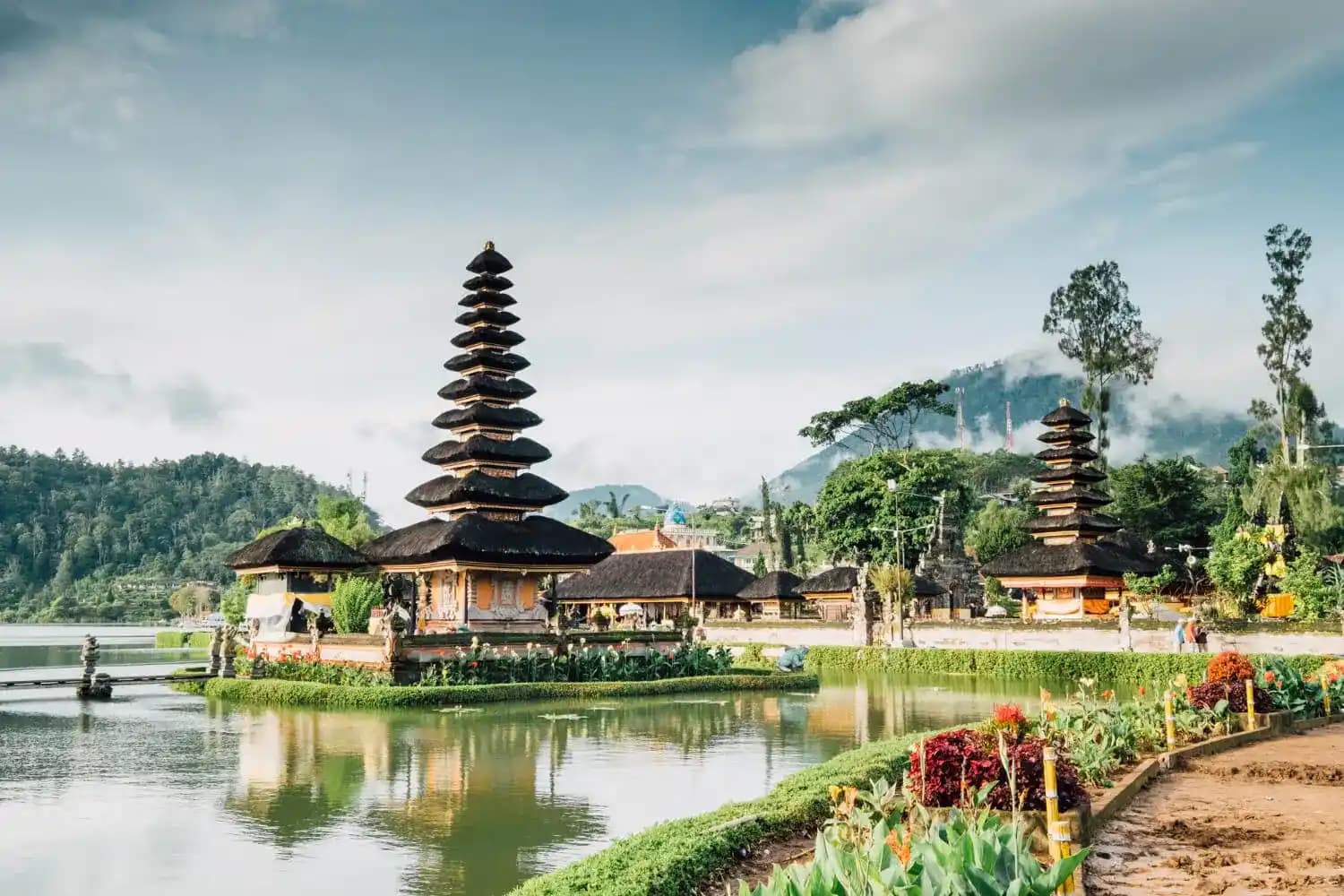

Explore Yeongju: Top South Korea Travel Destinations
Yeongju is a city located in the far north region of North Gyeongsang province in South Korea. approximately 200 kilometers southeast of Seoul. The city is nestled at the base of the Sobaeksan Mountain range, which is part of Sobaeksan National Park. This picturesque setting provides a stunning backdrop for outdoor activities and hiking. The city covers an area of 668.84 km2. Yeongju sits on the Sallok plateau at the base of Sobaeksan Mountain, with an elongated shape that is longer from north to south than it is wide from west to east. The city is roughly 200m above sea level. Sobaeksan Mountain, which borders the Jungnyeong Pass, stretches southwest from Yeongju, with peaks such as Birobong, Gugmangbong, Yeonhwabong, and Dosolbong.
Craving an exceptional South Korea adventure? Explore our handpicked premium tours here for the ultimate experience.
Population: Estimate 100,000 residents (as of 2024)
Land marks: Buseoksa Temple, Sosuseowon Confucian Academy, Sobaeksan National Park, Museom Village, Seonbichon Village, Juklyeong Yetgil
Economy: With its rich historical sites and natural attractions, tourism plays a vital role in Yeongju's economy. The city's cultural landmarks, such as Buseoksa Temple and Sobaeksan National Park, attract visitors interested in history, spirituality, and outdoor activities.

Overview of Yeongju
History & Culture Influence
Yeongju's history as a center of Confucian and Buddhist learning, its association with important historical figures, and its stunning natural setting have all combined to create a city that is deeply rooted in tradition while also embracing modernity. The city's character is a reflection of its past, and its cultural influence continues to shape the lives of its residents and visitors alike.
Yeongju is also the birthplace of several important historical figures, including Yi Hwang, a prominent Confucian scholar who served as a magistrate in the mid-16th century and is featured on the 1,000 won bill. The city is also associated with King Gyeongsun, the last ruler of the Silla Kingdom, who is said to have stopped in Yeongju on his way to surrender to the Goryeo Dynasty.
Interaction with The Locals
Yeongju is predominantly populated by ethnic Koreans, with a mix of Confucian and Buddhist influences. The city has a relatively large older population, as it is known for its Confucian heritage and traditional Korean culture. Visitors may encounter a stark contrast between the city's traditional atmosphere and the changing cultures of younger generations. Visitors to Yeongju can expect a warm and friendly reception from the locals, who take great pride in their city's rich history and culture.

Top Attractions in Yeongju
Sobaeksan National Park
Location: in the provinces of Chungcheongbuk-do and Gyeongsangbuk-do, South Korea
A stunning national park known for its beautiful hiking trails, scenic landscapes, and vibrant fall foliage. It's a popular destination for outdoor enthusiasts and nature lovers.
Huibang Falls
Location: in Sobaeksan National Park near the town of Danyang
The picturesque waterfall located within Sobaeksan National Park, offering a serene and refreshing setting for visitors to relax and enjoy nature.
Buseoksa Temple
Location: near Mt. Bonghwang in Buseok-myeon
One of the most famous Buddhist temples in Korea, dating back to the 7th century. It's known for its beautiful architecture and is a UNESCO World Heritage site.
Sosu Seowon
Location: Suksusa Temple, located in Sunheung-myeon, Yeongju City, North Gyeongsang Province
A well-preserved Confucian academy from the Joseon Dynasty, designated as a UNESCO World Heritage site. It offers insights into the history of Confucian education in Korea.
Seonbi Village
Location: 357, Cheonggu-ri, Sunheung-myeon, Yeongju City, North Gyeongsang Province
A traditional village that showcases the lifestyle and culture of Confucian scholars, known as "seonbi." Visitors can experience traditional Korean architecture and learn about the values of Confucianism.
Museom Village
Location: Sudo-ri in Yeongju, Gyeongsangbuk-do
A well-preserved traditional village that provides a glimpse into the daily life of Koreans during the Joseon Dynasty. It features traditional houses, workshops, and cultural experiences.

Must-Try Dishes in Yeongju
Yeongju Hanwoo Beef
Yeongju is renowned for offering some of the best Hanwoo beef in South Korea. Hanwoo, a premium breed of cattle native to Korea, is celebrated for its tender and flavorful meat, available in various cuts perfect for grilling or stewing. The exceptional quality of Hanwoo beef is a source of pride in Yeongju and is frequently highlighted in traditional Korean barbecue, reflecting the region's agricultural prowess.
Yeongju Apples
The region of Yeongju is famous for its delicious, crisp apples, grown in the fertile local soil. These apples are versatile, enjoyed fresh, in salads, or as part of desserts, and play a significant role in the local economy. The importance of apple cultivation is celebrated through various festivals, emphasizing its role in the cultural landscape of Yeongju.
Ginseng Chicken Soup (Samgyetang)
Samgyetang, a nourishing traditional Korean soup, consists of a whole young chicken stuffed with glutinous rice, ginseng, garlic, and jujubes, slowly simmered to perfection. Ginseng, a key local product known for its health benefits, makes this dish especially popular during the summer months as a revitalizing meal.
Makgeolli
Yeongju's local makgeolli, a traditional Korean rice wine, is cherished for its slightly sweet, milky flavor, distinctively influenced by the region's rice and brewing techniques. Makgeolli is not just a beverage but a cultural staple, often enjoyed with savory pancakes (jeon) and during traditional Korean celebrations.
Yeongju Tteok
In Yeongju, traditional Korean rice cakes, or tteok, made from glutinous rice are a culinary highlight. These rice cakes, often filled with sweetened red bean paste, are known for their soft texture and delightful flavors. Tteok holds a special place in Korean culture, symbolizing good fortune and prosperity, and is a favored treat during celebrations and rituals.
Korean Fried Chicken
Korean fried chicken, known for its crispy skin and juicy meat, is a popular dish in Yeongju, typically seasoned with a variety of sauces like sweet and spicy or garlic soy. This dish has become a staple across South Korea and is a favorite at social gatherings, reflecting Yeongju's blend of modern culinary trends with traditional flavors.

Festivals & Local Celebrations
Yeongju Punggi Ginseng Festival
Time of Year: Typically held in late September to early October.
This festival celebrates the region's renowned Punggi ginseng, known for its superior quality and health benefits. Visitors can engage in ginseng harvesting, taste various ginseng-infused dishes, and enjoy cultural performances. The event also includes exhibitions and sales of ginseng products, highlighting the significance of this local specialty.
Yeongju Sobaeksan Mountain Royal Azalea Festival
Time of Year: Usually takes place in mid-April.
Set in Sobaeksan National Park, this festival celebrates the spectacular bloom of royal azaleas. Attendees can hike through vibrant landscapes, join guided tours, and partake in cultural activities like traditional music and dance performances, all set against the backdrop of the park’s natural beauty.
Yeongju Seonbi Cultural Festival
Time of Year: Typically celebrated in early October.
Dedicated to the legacy of the region’s Confucian scholars, or seonbi, this festival offers a deep dive into traditional Confucian ceremonies, educational workshops, and performances that reflect the values and teachings of Confucianism, emphasizing the area’s rich cultural heritage.
Museom Single-Log Bridge Festival
Time of Year: Usually held in late May.
Celebrating the traditional single-log bridge, a cultural hallmark of the region, this festival allows visitors to cross the historic bridge, participate in local craft demonstrations, and savor traditional foods, fostering a sense of community and showcasing local craftsmanship.
Yeongju Apple Festival
Time of Year: Typically takes place in late October.
The Yeongju Apple Festival honors the area’s famous apples with activities such as apple picking, tastings, and an array of apple-based culinary treats. The festival also offers live entertainment and family-friendly games, all while highlighting the local apple industry’s vital role in the community.

Weather in Yeongju
Average Temperatures and Rainfall
- Spring (March to May): The temperatures gradually warm up from chilly lows in March to comfortable warmth by May. Average temperatures range from 5°C to 20°C (41°F to 68°F). This season is relatively dry with occasional rain.
- Summer (June to August): Summers are hot and humid with temperatures averaging between 20°C and 30°C (68°F to 86°F). This is also the rainy season, with July typically being the wettest month, so rain gear is essential.
- Autumn (September to November): Autumn is mild and generally considered the best time to visit Yeongju. Temperatures cool down from 20°C in September to around 10°C (50°F) in November. The weather is mostly dry, making it ideal for outdoor activities and enjoying the colorful fall foliage.
- Winter (December to February): Winters are cold with temperatures often dipping below freezing, especially in January, the coldest month. Snowfall is common, so warm clothing and snow gear are recommended.
Best Time to Travel
- The best times to visit Yeongju are during the spring and autumn months. Spring offers the beautiful cherry blossoms and comfortable temperatures, while autumn provides stunning foliage and perfect weather for exploring the natural and cultural sights of Yeongju.
Other Weather Patterns:
- Yeongju can experience occasional strong winds, particularly during the transition between seasons. It's also worth noting that the region might face foggy conditions in the mornings and evenings, especially in mountainous areas during spring and autumn.

Culture Etiquette in Yeongju
Greetings
In Korea, greetings are a sign of respect, and a slight bow is often the first step. In more formal settings, you might combine a bow with a handshake, particularly when meeting elders or superiors. When shaking hands, use both hands to show respect. It’s also polite to address people by titles like "Mr." or "Ms." followed by their last name, such as "Kim-ssi" for Mr. Kim. First names are generally reserved for closer relationships, so wait until invited to use them.
Dining Etiquette
Meals in Korea are a communal affair, with dishes placed in the center for everyone to share. Always wait for the eldest person to begin eating before you start. When it comes to utensils, use chopsticks for solid foods and a spoon for rice or soup. One important note: never stick your chopsticks upright in a bowl of rice, as this resembles a funeral ritual. Lastly, it’s considered polite to finish everything on your plate, as leaving food behind can be seen as wasteful.
Respect for Elders
Respecting elders is deeply ingrained in Korean culture. When an elder enters the room, it’s polite to stand and use formal language when speaking to them. In social settings, elders are usually seated first, with others following based on age. Pay close attention to seating arrangements and always let elders take precedence.
Gift Giving
If you’re invited to someone's home, bringing a small gift like fruit, sweets, or a souvenir from your home country is a thoughtful gesture. Present the gift with both hands to show respect. Avoid using white or black wrapping paper, as these colors are associated with funerals. Instead, choose bright colors like red or gold, which are seen as more festive.
Communication Style
Koreans often communicate indirectly, especially when discussing sensitive topics. It’s helpful to pay attention to non-verbal cues and be patient during conversations. Silence is perfectly acceptable in Korean culture, often showing thoughtfulness or respect, so don’t feel pressured to fill every pause with words..

Essential Travel Information
Getting to Yeongju
Airport Transfers
Incheon International Airport (ICN): The nearest major airport is Incheon International Airport, located about 200 kilometers from Yeongju. Visitors can take a shuttle service, such as Kiwitaxi, which offers comfortable transfers directly to Yeongju. This service is convenient for those traveling with luggage and looking for a hassle-free journey.
Train and Bus Services
From Seoul: Visitors can travel from Seoul to Yeongju via train or bus. The train ride typically takes about 2¼ hours, while buses are also available, offering a budget-friendly option. The journey by bus costs around $14.
Getting Around Yeongju
Public Transit
Yeongju has a local bus system that connects various parts of the city and nearby attractions. Buses are a convenient way to explore the area, although schedules may vary.
Taxis
Taxis are readily available in Yeongju and provide a comfortable way to navigate the city. They can be hailed on the street or booked via phone. Kiwitaxi also offers tourist taxi services that can be booked for day tours, allowing visitors to explore multiple attractions conveniently.
Ride-Sharing Services
While ride-sharing services like KakaoTaxi are available in South Korea, their presence in Yeongju may be limited compared to larger cities. However, they can still be a viable option for those familiar with the app.
ATM and Banking Services
ATM Availability
Yeongju has several ATMs available for visitors and locals, including those from major banks such as KEB Hana Bank, Woori Bank, Shinhan Bank, and NH Nonghyup. Many of these ATMs are located at convenient spots, including Yeongju Station and various branches throughout the city. Notably, some ATMs operate 24 hours a day, providing easy access for cash withdrawals.
Bank Branches
Key banks in Yeongju include Hana Bank, Woori Bank, and Saemaul Geumgo, which have physical branches where visitors can conduct banking transactions. The branches offer services such as currency exchange, account management, and financial advice.
Yeongju Station: This area features multiple ATMs and banking services, making it a convenient stop for travelers arriving by train.
Central Yeongju: Various banks and ATMs are scattered throughout the city center, ensuring easy access for both residents and visitors.
Accommodation Choices in Yeongju
Yeongju Hotel
A popular choice among travelers, this hotel offers comfortable accommodations with modern amenities. It is conveniently located near key attractions and provides easy access to public transportation.
Booking: Reservations can be made through platforms like Agoda and Expedia, which often feature competitive rates and customer reviews.
Buseoksa Temple Stay
For a unique experience, visitors can stay at Buseoksa Temple, which offers temple stay programs. Guests can participate in meditation, Buddhist rituals, and enjoy the serene environment of the temple grounds.
This option provides an immersive cultural experience, allowing visitors to learn about Buddhism and traditional Korean practices.
Guesthouses and Homestays
Yeongju also has various guesthouses and homestays that offer a more local experience. These accommodations often provide a cozy atmosphere and the opportunity to interact with local families.
Booking: Many of these options can be found on popular travel websites, catering to budget-conscious travelers looking for a more personal touch.
Motels
Yeongju features several motels that are budget-friendly and provide basic amenities. These are ideal for travelers seeking economical lodging without sacrificing comfort.
Articles for you

Explore Buyeo: Top South Korea Travel Destinations
Buyeo, a historic city located in the Chungcheongnam-do province of South Korea. This charming city is situated in the southwestern part of the country, along the banks of the Geum River, and is surrounded by beautiful mountains and natural landscapes. As the capital of the Baekje Kingdom, which thrived from 18 BC to AD 660, Buyeo is home to numerous historical sites that reflect its ancient glory. The city is recognized as a UNESCO World Heritage Site, with many remnants of Baekje's architectural and cultural achievements.
Buyeo hosts various festivals, including the Lotus Flower Festival, which attracts visitors to enjoy the blooming lotus flowers and participate in cultural activities.
Craving an exceptional South Korea adventure? Explore our handpicked premium tours here for the ultimate experience.
Population: approximately 80,000 as of 2024.
Economy: Tourism is a significant part of Buyeo's economy, with the city's historical sites and cultural events attracting visitors from across South Korea and abroad. The Baekje Cultural Land, Gungnamji Pond, and annual Lotus Flower Festival are major draws for tourists.
Landmarks: Gungnamji Pond, Baekje Cultural Land, Busosanseong Fortress, Jeongnimsa Temple, Nakhwaam Rock, Seodong Park, Royal Tombs in Neungsan-ri

Explore Danyang: Top South Korea Travel & Asia Tweet Tours
Danyang, a picturesque county in South Korea, is located in North Chungcheong Province and is known for its stunning natural landscapes and rich cultural heritage. Situated approximately 150 kilometers (93 miles) southeast of Seoul, nestled in a mountainous region that includes parts of Sobaeksan National Park. The area is characterized by its beautiful rivers, valleys, and limestone caves.
Danyang is renowned for its breathtaking scenery, particularly the Danyanggang River, which provides opportunities for outdoor activities like hiking, cycling, and water sports. The county is also famous for its Gosu Cave, a spectacular limestone cave featuring impressive stalactites and stalagmites.
Craving an exceptional South Korea adventure? Explore our handpicked premium tours here for the ultimate experience.
Population: Approximately 800,000 in 2024.
Economy: Danyang is a popular tourist destination known for its stunning natural landscapes, including mountains, rivers, and caves. Attractions like Gosu Cave and the Danyanggang River draw visitors, contributing significantly to the local economy through hospitality, dining, and recreational activities.
The region surrounding Danyang is characterized by agricultural activities, with local farms producing various crops. This agricultural base supports local markets and contributes to the food supply for the area.
Landmarks: Gosu Cave, Danyanggang River, Sobaeksan National Park, Danyang Wine Tunnel, Guinsa Temple, Ondal Gwangwangji

Explore Chuncheon: South Korea Travel & Asia Tweet Tours
Chuncheon is the capital city of Gangwon Province in South Korea, located approximately 75 km (47 miles) northeast of Seoul. Chuncheon is a scenic city embraced by lakes and mountains, making it a haven for nature enthusiasts and adventure seekers alike. Renowned as the 'City of Lakes,' its picturesque landscapes are dominated by the serene Soyang Lake and Uiamho Lake, which offer ample opportunities for water sports and leisurely boat rides.
Chuncheon is also celebrated for its vibrant cultural scene, hosting the lively Chuncheon Puppet Festival and the Chuncheon International Mime Festival, drawing artists and audiences from around the globe. Culinary travelers delight in sampling the local specialty, dakgalbi, a spicy stir-fried chicken dish that's a must-try for anyone visiting the city.
Looking for an unforgettable journey through South Korea? Explore our premium tours here and start planning your adventure
Population: Approximately 300,000 in 2024.
Economy: a city with a diverse and evolving economy that reflects its agricultural roots and growing industrial sector. Chuncheon serves as a market center for agricultural produce from the surrounding areas, with rice and soybeans being the main products. Since the 1960s, the city has seen a shift towards light industry, contributing to its economic development.
Chuncheon has gained international attention as a popular tourist destination, particularly after the success of the Korean drama Winter Sonata, which has attracted visitors from across East Asia. The city is also in the process of developing Legoland Korea, set to be the largest Legoland in the world, expected to draw over a million tourists annually upon its opening.
Landmarks: Soyang River Sky Walk, Cheongpyeongsa Temple, Chuncheon Myeongdong Street, Namiseom (Nami) Island, Gangchon Rail Park, Chuncheon National Museum

Explore Gyeongju - South Korea Travel, Asia
Gyeongju, often referred to as "the museum without walls," located in the southeastern corner of North Gyeongsang Province, South Korea. It is situated approximately 370 kilometers (230 miles) southeast of Seoul and 55 kilometers (34 miles) east of Daegu. The city covers an area of about 1,324 square kilometers (511 square miles) . As the former capital of the ancient Silla Kingdom, which ruled much of the Korean Peninsula from 57 BC to 935 AD, Gyeongju boasts a rich cultural heritage spanning over 1,000 years. The city is renowned for its exceptional concentration of archaeological sites, Buddhist art, and well-preserved historical artifacts.
Population: approximately 250,000 as of 2024.
Economy: Gyeongju's economy is diverse, primarily driven by tourism, manufacturing, and agriculture. As a major tourist destination, Gyeongju attracts visitors due to its rich historical heritage and archaeological sites, contributing significantly to the local economy.
Landmarks: Bulguksa Temple, Seokguram Grotto, Gyeongju National Museum, Tumuli Park, Gyeongju Historic Areas, Yangdong Folk Village.

Explore Buyeo: Top South Korea Travel Destinations
Buyeo, a historic city located in the Chungcheongnam-do province of South Korea. This charming city is situated in the southwestern part of the country, along the banks of the Geum River, and is surrounded by beautiful mountains and natural landscapes. As the capital of the Baekje Kingdom, which thrived from 18 BC to AD 660, Buyeo is home to numerous historical sites that reflect its ancient glory. The city is recognized as a UNESCO World Heritage Site, with many remnants of Baekje's architectural and cultural achievements.
Buyeo hosts various festivals, including the Lotus Flower Festival, which attracts visitors to enjoy the blooming lotus flowers and participate in cultural activities.
Craving an exceptional South Korea adventure? Explore our handpicked premium tours here for the ultimate experience.
Population: approximately 80,000 as of 2024.
Economy: Tourism is a significant part of Buyeo's economy, with the city's historical sites and cultural events attracting visitors from across South Korea and abroad. The Baekje Cultural Land, Gungnamji Pond, and annual Lotus Flower Festival are major draws for tourists.
Landmarks: Gungnamji Pond, Baekje Cultural Land, Busosanseong Fortress, Jeongnimsa Temple, Nakhwaam Rock, Seodong Park, Royal Tombs in Neungsan-ri

Explore Danyang: Top South Korea Travel & Asia Tweet Tours
Danyang, a picturesque county in South Korea, is located in North Chungcheong Province and is known for its stunning natural landscapes and rich cultural heritage. Situated approximately 150 kilometers (93 miles) southeast of Seoul, nestled in a mountainous region that includes parts of Sobaeksan National Park. The area is characterized by its beautiful rivers, valleys, and limestone caves.
Danyang is renowned for its breathtaking scenery, particularly the Danyanggang River, which provides opportunities for outdoor activities like hiking, cycling, and water sports. The county is also famous for its Gosu Cave, a spectacular limestone cave featuring impressive stalactites and stalagmites.
Craving an exceptional South Korea adventure? Explore our handpicked premium tours here for the ultimate experience.
Population: Approximately 800,000 in 2024.
Economy: Danyang is a popular tourist destination known for its stunning natural landscapes, including mountains, rivers, and caves. Attractions like Gosu Cave and the Danyanggang River draw visitors, contributing significantly to the local economy through hospitality, dining, and recreational activities.
The region surrounding Danyang is characterized by agricultural activities, with local farms producing various crops. This agricultural base supports local markets and contributes to the food supply for the area.
Landmarks: Gosu Cave, Danyanggang River, Sobaeksan National Park, Danyang Wine Tunnel, Guinsa Temple, Ondal Gwangwangji

Explore Chuncheon: South Korea Travel & Asia Tweet Tours
Chuncheon is the capital city of Gangwon Province in South Korea, located approximately 75 km (47 miles) northeast of Seoul. Chuncheon is a scenic city embraced by lakes and mountains, making it a haven for nature enthusiasts and adventure seekers alike. Renowned as the 'City of Lakes,' its picturesque landscapes are dominated by the serene Soyang Lake and Uiamho Lake, which offer ample opportunities for water sports and leisurely boat rides.
Chuncheon is also celebrated for its vibrant cultural scene, hosting the lively Chuncheon Puppet Festival and the Chuncheon International Mime Festival, drawing artists and audiences from around the globe. Culinary travelers delight in sampling the local specialty, dakgalbi, a spicy stir-fried chicken dish that's a must-try for anyone visiting the city.
Looking for an unforgettable journey through South Korea? Explore our premium tours here and start planning your adventure
Population: Approximately 300,000 in 2024.
Economy: a city with a diverse and evolving economy that reflects its agricultural roots and growing industrial sector. Chuncheon serves as a market center for agricultural produce from the surrounding areas, with rice and soybeans being the main products. Since the 1960s, the city has seen a shift towards light industry, contributing to its economic development.
Chuncheon has gained international attention as a popular tourist destination, particularly after the success of the Korean drama Winter Sonata, which has attracted visitors from across East Asia. The city is also in the process of developing Legoland Korea, set to be the largest Legoland in the world, expected to draw over a million tourists annually upon its opening.
Landmarks: Soyang River Sky Walk, Cheongpyeongsa Temple, Chuncheon Myeongdong Street, Namiseom (Nami) Island, Gangchon Rail Park, Chuncheon National Museum

Our Best-Selling Tours
Follow Us