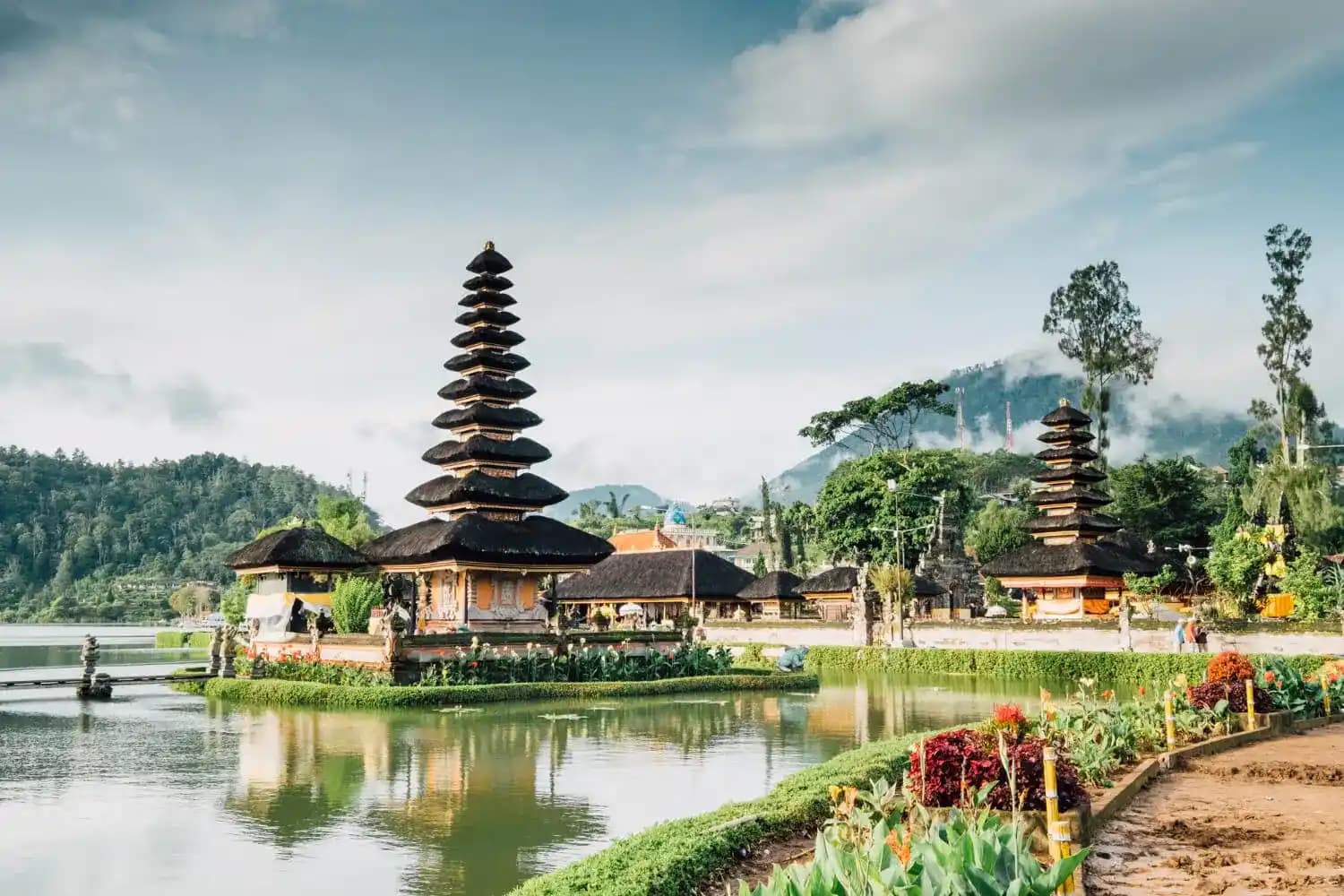

Hidden Gems in Japan: The Ultimate Guide to Japan Beyond the Tourist Trail
The regional backcountry is Japan’s "Undiscovered Emerald Pearl", a breathtaking wilderness lying far beyond the crowded shrine gates and neon corridors of the classic, heavily trafficked Golden Route. Faced with unprecedented overtourism across mainstream landmarks and recent historic nationwide price hikes on independent rail networks, navigating the authentic interior requires an elite approach to regional geography. By engineering highly specific "sub-loops" capped at an intimate 16 passengers, premium touring gains exclusive entry to historic, family-run ryokans and remote mountain villages where massive commercial buses are physically banned — making this uncrowded path the perfect complement to iconic cities for a complete Japanese expedition.
Explore Tweet World Travel Japan Small Group Tours or contact Tweet World Travel for a tailor-made travel experience.

The Alpine & Central Japan Highway Loop
The rugged, mountainous spine of Central Japan preserves old-world trade paths and feudal water networks that feel completely frozen in time. This loop forms the core of Tweet World Travel’s landmark Japan Hidden Gems: Alpine & Cultural Discovery Tour
Narai-juku (Nagano) – The “Town of a Thousand Houses”
During the Edo period, the Nakasendo highway was the ancient mountain trail connecting Tokyo and Kyoto. Along this highway sat 69 shuku-machi (post towns) designed to house weary travelers. While tourist crowds flock heavily to Magone and Tsumago further south, Narai-juku remains a deeply guarded local street.
Known historically as “Narai of a Thousand Houses” (Narai Senken), it features the longest-preserved stretch of Edo-period timber buildings in the country, running a full kilometer along a narrow alpine valley. Because local preservation laws strictly ban modern concrete structures, neon signs, and overhead power poles, walking through this town in the late afternoon feels like stepping backward four centuries.
Gujo Hachiman (Gifu) – The Pristine Water Kingdom
Tucked away in the riverside valleys of Gifu Prefecture, Gujo Hachiman is a historic castle town completely integrated with an engineered network of stone-lined, rushing mountain canals dating back to the 1600s. The water here is so pure that the canal system (Sogi Sui) is designated as one of Japan’s 100 Remarkable Waters.
Walk along Kajiya Machi (Blacksmith Street) and you will see vibrant koi fish swimming upstream directly alongside residential doorways. Locals still practice Mizuya—a tiered water etiquette system where the top tier of a household canal is strictly reserved for drinking water, the second for cooling local produce, and the third for washing textiles.
The Nagamachi District (Kanazawa) – Walking with Samurai Warlords
While mainstream tour itineraries visit Kanazawa exclusively to see the famous Kenroku-en landscape garden, the real hidden treasure sits right on its western flank. Nagamachi is an intact, authentic residential quarter where high-ranking Daimyo (Samurai warlords) lived during the feudal era.
Instead of a sterile museum, it is a living neighborhood bounded by original Dobei (mud-and-straw earthen walls) topped with clay tiles. In the winter, the community wraps these walls in specialised straw mats called Komo to shield the ancient plaster from heavy Sea of Japan snow.
Omi Hachiman (Shiga) – The Quiet Canal Alternative to Kyoto
Located on the edge of Lake Biwa, just a short distance from Kyoto, Omi Hachiman is a historic merchant canal town that remains completely separate from the frantic pace of the major capitals. Built in the late 1500s by the local warlord Hidetsugu, the town features pristine white-walled wooden storehouses (Aburaya) lining a peaceful moat system. Locals come here to take slow, hand-rowed boat rides through the quiet, reed-lined waterways that once protected the town’s ancient castle.

The Untold “Silver Route” Corridor (East Honshu)
If you want to truly leave international crowds behind, you must journey into East Honshu through Ibaraki, Fukushima, and Tochigi. This alternative cultural track is the centerpiece is The Silver Route Tour: Hidden Gems of Japan.
Ouchi-juku (Fukushima) – The Thatched-Roof Relic
Hidden deep within the mountains of Fukushima Prefecture, Ouchi-juku was an essential post town along the old Aizu-Nishi Kaido trade route. Unlike the rest of modern Japan, the central dirt road here is bounded exclusively by massive, beautifully preserved thatched-roof buildings that look exactly like a scene out of a classic woodblock print.
- The Local Culinary Special: While visiting, seek out a local inn serving Negi Soba-buckwheat noodles eaten using a single, long green scallion (spring onion) instead of traditional chopsticks.
- The All-in-one Value: Navigating the mountain passes of Fukushima via local regional buses is notoriously difficult for international travelers. Booking this track through a dedicated small-group coach turns a difficult transit puzzle into a smooth, scenic drive.
Mashiko Pottery Village (Tochigi) – Artisan Clay Heritage
Mashiko is a gentle, rural town nestled in the hills of Tochigi Prefecture, internationally celebrated as a living sanctuary for Mashiko-yaki folk ceramics. The town functions as a massive creative collective, home to over 400 active wood-burning kilns and artisanal pottery studios. Travelers can step inside preserved workspaces, watch masters turn local iron-rich clay on kick-wheels, and tour the historic Mashiko Yuwakan Gozasho (Imperial Chamber)
Aizu-Wakamatsu (Fukushima) – The Last Samurai Stronghold
Famed as the “Samurai City”, Aizu-Wakamatsu is the historic ground where the fierce Boshin War took place in 1868. The crown jewel here is Tsuruga Castle, a magnificent structure recognized by its unique red-tiled roof-the only samurai castle in Japan to retain this architectural defensive trait. The surrounding streets are lined with 150-year-old sake breweries and lacquerware artisan shops that have been operated by the exact same local families for generations.

The Deep Kyoto Country & Seto Inland Sea
True travel expertise lies in knowing that Japan’s major tourist prefectures hold rural hinterlands and coastal islands that the vast majority of tourists skip entirely. These locations feature prominently in the upscale Signature Japan: Cultural & Art Luxury Tour.
Wazauka Tea Fields (Kyoto Countryside)
When travelers pack into Kyoto, they rarely look beyond the bamboo groves of Arashiyama. Yet, the southern edge of the prefecture hides Wazuka, an idyllic valley defined by sweeping, terraced green tea fields that have produced premium Uji matcha for over 800 years.
- The Insider Experience: Standing atop the emerald terraces during the early morning mist as local families prepare for a harvest is a profound contrast to the crowded city streets of Kyoto centre.
- The Exclusive Privilege: Gaining entry to these generational agricultural lands requires direct local relationships. Tweet World Travel utilizes localized hosts to introduce travelers directly to the families running these private tea estates.
Tomonoura (Seta Inland Sea) - The Timeless Ghibli Port
Located along the calm waters of the Seto Inland Sea, Tomonoura is a perfectly intact Edo-period port town. Its classic circular harbor, stone breakwaters, and timber Joyato lighthouse have stood since the feudal era. The town’s nostalgic alleys and historic sake breweries—famed for making Homeishu (a unique medicinal herb liqueur)—are so remarkably scenic that director Hayao Miyazaki lived here for months to visually design the Studio Ghibli film Ponyo.
Onomichi (Hiroshima Prefecture) - The Nostalgic Hillside paths
Facing the Seto Inland Sea, Onomichi is a beautifully vertical town built directly onto steep hillsides. Because the lanes are too narrow for cards, the town is a quiet maze of stone staircases, hidden shrines, and old timber homes. Walk up the famous Neko no Hosomichi (Cat Alley) to find stones hand-painted to look like cats, and look out over the panoramic views of the narrow Onomichi Channel below.
Murou Art Forest (Nara Hinterlands)
Hidden entirely within a remote forest valley in the mountains of Nara, the Murou Art Forest is a magnificent outdoor architectural park created by acclaimed Israeli sculptor Dani Karavan. The entire site is designed as a living dialogue between geometry and nature, utilizing massive outdoor earthworks, minimalist tunnels, and stone structures that line up perfectly with the natural landscape and the ancient local Shinto shrines.

Hidden Food, Onsen, & Seasonal Winter Escapes
For dedicated culinary and wellness travelers, regional Japan offers micro-climates and hidden hot-spring enclaves that deliver unparalleled sensory experiences.
Takayu Onsen (Fukushima Prefecture)
Tucked deep within the Bandai-Asahi National Park, Takayu Onsen is a remote mountain hot spring village that has remained completely uncommercialized for over 400 years. The village is famous for its hyper-potent, milky-white sulfur water that flows directly from the volcanic springs into the rustic outdoor stone baths (rotenburo).
Omicho Market (Kanazawa) - The True Sea Feast
While Tokyo’s fish markets are notorious for massive crowds and long queues, savvy food lovers head to Kanazawa’s Omicho Market. Operating since the Edo period, this network of 200 stalls specializes in cold-water seafood sourced directly from the Sea of Japan. Locals queue up here for Kaisen-don (raw seafood rice bowls) piled high with local snow crab (Kano-gani), sweet botan shrimp, and rich sea urchin.
Generational Sake Breweries of the Adarata Highlands
The freezing winter climate and pure mountain snowmelt of the Adatara Highlands in Fukushima make it the premier region for slow-fermented, cold-climate sake. Touring a multi-story, 200-year-old wooden brewery (shuzo) allows travelers to watch master brewers (toji) hand-mix steaming vats of local rice before participating in exclusive cellar tastings of unpasteurized Nama-zake.
The Hidden Onsens of Yudanaka & Takayama’s Alpine Valleys
In the dead of winter, the mountain valleys surrounding Takayama transform into a silent, snow-covered landscape. Tucked into these valleys are rustic ryokans where travelers can experience the ultimate Japanese winter luxury: relaxing in an outdoor volcanic bath surrounded by deep banks of pristine white snow, followed by an authentic multi-course Kaiseki dinner featuring marbled Hida beef cooked over local hoba magnolia leaves.

Why Tweet World Travel Excels at Unlocking Hidden Japan
Successfully navigating rural areas requires a level of seamless coordination that is incredibly difficult to coordinate independently. Tweet World Travel bridges this gap by acting as a true structural enabler for regional exploration.
- Intimate Small-Group Mechanics: By strictly limiting group sizes to maximum of 16 passengers, itineraries can seamlessly book boutique 10-room hot spring ryokans and private artisan workshops that are physically incapable of hosting standard commercial tour groups.
- On-the-Ground Authority via Tweet Japan DMC: Rather than relying on third-party guides, the company operates its own dedicated Destination Management Company (DMC) on the ground. This provides travelers with verified local hosts, private air-conditioned coach transfers, and a 24/7 localized support network through the integrated Tweet Trip App.
- Hidden Cost Protections: The company handles behind-the-scenes details with absolute financial transparency. There are no credit card merchant fees for Visa or MasterCard payments, all premium land transit (including high-speed Shinkansen bullet trains) is fully absorbed into the baseline cost, and every tour includes an exclusive premium Door-to-Airport chauffeur service to launch your journey completely stress-free.
Frequently Asked Questions
Is it difficult to travel to rural Japan without speaking Japanese?
While major hubs like Tokyo have extensive English signage, rural areas like Fukushima or the Kiso Valley rely almost entirely on Japanese. Navigating regional local bus routes or deciphering old-school train timetables can be incredibly stressful on your own, which is why an escorted small-group tour with a bilingual local host is highly recommended for these specific regions.
What is the best season to explore Japan’s hidden gems?
While Spring offers cherry blossoms in quieter regional parks, Autumn provides breathtaking foliage across the alpine valleys. However, Winter remains an absolute magic window for rural Japan, transforming locations like Ouchi-juku and the alpine hot spring towns into pristine, silent snow villages

Discover the Secret Side of Japan
Ready to explore the hidden corridors of Japan without the trip planning stress?
Visit Tweet World Travel’s dedicated Japan catalog to explore these small-group itineraries and lock in your next authentic cultural journey today.
Articles for you

10 Day Japan Itinerary with Guided Tour: Japanese Alps Discovery Tour
The Japanese Alps Discovery Tour is Australia's "Alpine Pearl" — a meticulously curated 10-day guided journey that seamlessly balances the high-speed neon energy of Tokyo with the silent, mist-covered peaks of Japan's rugged interior. This premier itinerary cuts a sweeping path through the country's most legendary landscapes, ascending from the dramatic slopes of Mount Fuji to the preserved thatched-roof farmhouses of historic Shirakawa-go and the timeless cultural sanctuaries of elegant Kyoto. Ringed by 4-star plus accommodations, expert local guides, and passing every experience through an intimate 16-passenger cap filter, this expertly engineered route is the perfect complement to classic metropolises for a complete, stress-free Japanese discovery.
Explore Tweet World Travel Japan Small Group Tours or contact Tweet World Travel for a tailor-made travel experience.

How much does a Japan tour cost from Australia in 2026? (The Definitive Budgeting Guide)
Japan is Australia's "Number-One Trending Pearl" — a captivating East Asian destination where ancient Shinto traditions meet neon-lit futuristic cities and an unmatched culinary scene. For a standard 14-day itinerary in 2026, traveling to the Land of the Rising Sun requires a baseline budget ranging from AUD $4,700 for an independent, self-planned trip to AUD $11,200+ for an all-inclusive, premium small-group guided tour. Perfectly calibrated to the 2026 mid-year exchange rate of AUD $1 = JPY ¥113.4, navigating these real costs on the ground is the vital financial key to maximizing your Australian Dollars without sacrificing luxury.
Explore Tweet World Travel Japan Small Group Tours or contact Tweet World Travel for a tailor-made travel experience.

Best Japan Tours for Australians (2027): Your Ultimate Guide to the Golden Year
The upcoming travel season is Australia's "Golden Gateway" to Japan, an extraordinary touring year where the iconic contrast of neon-lit skyscrapers and ancient wooden temples meets unmatched global milestones. Anchored by the highly anticipated GREENxEXPO 2027 in Yokohama running from March 19 to September 26, this world-class horticultural exhibition is set to redefine the East Asian travel landscape by blending Japan’s legendary seasonal beauty with cutting-edge sustainable innovation. Perfectly timed to capitalize on a remarkably favorable exchange rate that makes bucket-list Kaiseki dinners and secluded hot-spring ryokan stays highly accessible, securing your 2027 journey early is the vital key to witnessing the definitive "Scenery of the Future."
Explore Tweet World Travel Japan Small Group Tours or contact Tweet World Travel for a tailor-made travel experience.

5 Must-See Japan Winter Festivals in 2026-2027: A Guide to the Magic
The winter matsuri season is Japan’s "Fiery Crystal Masterpiece", a breathtaking cultural phenomenon that elevates the colder months far beyond simple powder snow and ski resorts into a theatrical display of light and heritage. Sweeping across the archipelago from the massive, gravity-defying snow sculptures of frosty Hokkaido to the historic, torchlit fire ceremonies of ancient Nara, the landscape transforms into a living gallery of glowing lanterns and centuries-old spiritual rituals. Unfolding across the highly anticipated 2026–2027 season as the ultimate gateway to authentic traditions, integrating these spectacular local celebrations into your itinerary is the vital key to experiencing Japan far beyond the typical tourist route.
Explore Tweet World Travel Japan Small Group Tours or contact Tweet World Travel for a tailor-made travel experience.

10 Day Japan Itinerary with Guided Tour: Japanese Alps Discovery Tour
The Japanese Alps Discovery Tour is Australia's "Alpine Pearl" — a meticulously curated 10-day guided journey that seamlessly balances the high-speed neon energy of Tokyo with the silent, mist-covered peaks of Japan's rugged interior. This premier itinerary cuts a sweeping path through the country's most legendary landscapes, ascending from the dramatic slopes of Mount Fuji to the preserved thatched-roof farmhouses of historic Shirakawa-go and the timeless cultural sanctuaries of elegant Kyoto. Ringed by 4-star plus accommodations, expert local guides, and passing every experience through an intimate 16-passenger cap filter, this expertly engineered route is the perfect complement to classic metropolises for a complete, stress-free Japanese discovery.
Explore Tweet World Travel Japan Small Group Tours or contact Tweet World Travel for a tailor-made travel experience.

How much does a Japan tour cost from Australia in 2026? (The Definitive Budgeting Guide)
Japan is Australia's "Number-One Trending Pearl" — a captivating East Asian destination where ancient Shinto traditions meet neon-lit futuristic cities and an unmatched culinary scene. For a standard 14-day itinerary in 2026, traveling to the Land of the Rising Sun requires a baseline budget ranging from AUD $4,700 for an independent, self-planned trip to AUD $11,200+ for an all-inclusive, premium small-group guided tour. Perfectly calibrated to the 2026 mid-year exchange rate of AUD $1 = JPY ¥113.4, navigating these real costs on the ground is the vital financial key to maximizing your Australian Dollars without sacrificing luxury.
Explore Tweet World Travel Japan Small Group Tours or contact Tweet World Travel for a tailor-made travel experience.

Best Japan Tours for Australians (2027): Your Ultimate Guide to the Golden Year
The upcoming travel season is Australia's "Golden Gateway" to Japan, an extraordinary touring year where the iconic contrast of neon-lit skyscrapers and ancient wooden temples meets unmatched global milestones. Anchored by the highly anticipated GREENxEXPO 2027 in Yokohama running from March 19 to September 26, this world-class horticultural exhibition is set to redefine the East Asian travel landscape by blending Japan’s legendary seasonal beauty with cutting-edge sustainable innovation. Perfectly timed to capitalize on a remarkably favorable exchange rate that makes bucket-list Kaiseki dinners and secluded hot-spring ryokan stays highly accessible, securing your 2027 journey early is the vital key to witnessing the definitive "Scenery of the Future."
Explore Tweet World Travel Japan Small Group Tours or contact Tweet World Travel for a tailor-made travel experience.

5 Must-See Japan Winter Festivals in 2026-2027: A Guide to the Magic
The winter matsuri season is Japan’s "Fiery Crystal Masterpiece", a breathtaking cultural phenomenon that elevates the colder months far beyond simple powder snow and ski resorts into a theatrical display of light and heritage. Sweeping across the archipelago from the massive, gravity-defying snow sculptures of frosty Hokkaido to the historic, torchlit fire ceremonies of ancient Nara, the landscape transforms into a living gallery of glowing lanterns and centuries-old spiritual rituals. Unfolding across the highly anticipated 2026–2027 season as the ultimate gateway to authentic traditions, integrating these spectacular local celebrations into your itinerary is the vital key to experiencing Japan far beyond the typical tourist route.
Explore Tweet World Travel Japan Small Group Tours or contact Tweet World Travel for a tailor-made travel experience.
Our Best-Selling Tours
Follow Us