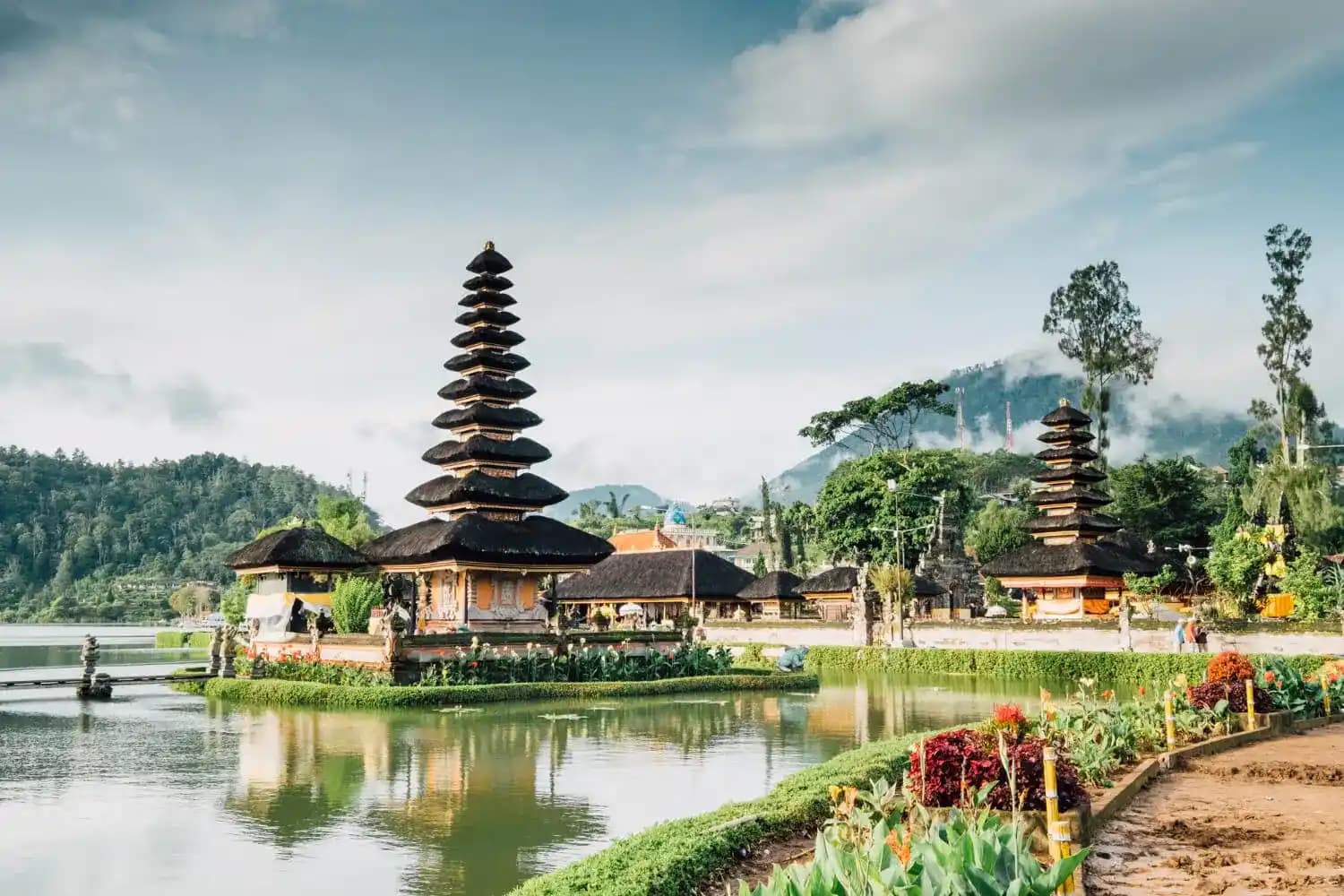

Why Small Group Travel in Japan is Better: The Premium Experience Guide
Small group travel is the "Golden Key" to unlocking Japan — an intimate travel style that opens a side of the country physically and culturally closed to conventional, rigid mass tourism. Japan's most authentic cultural sites, historic roads, and boutique accommodations are completely inaccessible to large 45-seater coaches, demanding a nimble and sophisticated approach to navigation. By capping journey sizes to a maximum of 16 passengers and utilizing premium transport to seamlessly access low-impact, preserved neighborhoods, this elite style of touring is the perfect complement to luxury door-to-door journeys for a flawless Japanese exploration.
Explore Tweet World Travel Japan Small Group Tours or contact Tweet World Travel for a tailor-made travel experience.

Unlocking the “Unreachable” Japan: Access to Hidden Treasure
Standard large-scale tours are restricted to high-volume commercial corridors. A conventional 45-seater big bus physically cannot navigate the narrow mountain roads of Shirakawa-go, the historic preserved alleys of Kyoto's Higashiyama district, or the steep alpine routes of Takayama.
By capping our group size to a maximum of 16 guests, Tweet World Travel utilizes premium, nimble micro-buses. This allows us to move past mass-tourism barriers and access highly exclusive, authentic cultural entities:
- Kyoto Machiya Tea Ceremonies: Step inside fragile, centuries-old traditional wooden townhouses for private matcha preparation with a master tea practitioner—an experience requiring absolute quiet and a small physical footprint.
- Counter-Seating Culinary Experiences: Avoid generic tourist buffet halls. Our small groups pull up a stool at intimate, family-run establishments to savor authentic A5 Hida beef grilled over a traditional clay shichirin charcoal burner.
- Historic Boutique Ryokans: Japan's finest hot spring luxury inns (ryokans) in Hakone or the Japanese Alps limit room counts to preserve a peaceful sanctuary. They bar large commercial groups entirely but welcome intimate gatherings.

The Core Comparison: Big Bus vs. Tweet World Travel
Standard Big-Bus Tours
- Group Size Caps: 40 to 50+ passengers
- Travel Times: Heavy delays (boarding, check-ins, crowds)
- Accommodations: Large, commercial hotels far outside the center
- Itinerary Flexibility: Rigid, clock-monitored checkpoint stops
- Cultural Impact: High-disruption spectator viewing
Tweet World Travel Small Groups
- Group Size Caps: Maximum of 16 travelers (Starts from 2)
- Travel Times: Rapid, fluid transitions and zero wait times
- Accommodations: Handpicked 4- to 5-star properties & Ryokans
- Itinerary Flexibility: Flexible daily pace led by an expert "Local Host"
- Cultural Impact: Low-impact, immersive local integration
Personalized Attention Over Rigid Timelines
In a massive crowd, a guide is forced to act as a coordinator handling all the travel details from a distance via a megaphone. In a small group setting, your professional guide transforms into a Local Host.
Instead of rushing through a strict, industrialized checklist, our itineraries have room to breathe. If our group wants to linger under the cherry blossoms at Ueno Park, spend extra time exploring the architectural wonders of Himeji Castle, or walk the quiet mountain paths of Daisho-in Temple on Miyajima Island, the daily rhythm adapts seamlessly to you.

First-Class Comfort, Door-to-Door Ease
The complexity of Japan's transit networks—from navigating major bullet train hubs like Tokyo Station to coordinating cross-city luggage transfers—can introduce friction to a vacation. True luxury lies in the total removal of these on-the-ground challenges.
- Complimentary Chauffeur-Drive Service: Your stress-free journey begins directly at your doorstep. We include a complimentary one-way chauffeur drive from your home to the airport (within a 35-kilometer radius of the departure airport) for all small group tour bookings.
- 24/7 On-Ground Support: Travel with absolute peace of mind. Every guest is backed by 24/7 local assistance and real-time itinerary updates integrated directly into the proprietary Tweet Trip App.
- White-Glove Luggage Forwarding: Navigating Japan’s busy bullet train stations with oversized suitcases is physically exhausting. As part of our small-group journey design, we utilize comprehensive luggage forwarding between major cities.
Cultivating Genuine Human Connections
Mass tourism treats travelers like nameless cargo; small group journeys create an environment where genuine camaraderie flourishes. Sharing a premium sake tasting in Osaka's night markets or exploring the peaceful moss gardens of Yoshikien Garden in Nara with a small circle of like-minded travelers turns a standard holiday into a collection of shared, cherished memories.

Experience Japan Intimately
The delicate beauty, quiet shrines, and profound hospitality (omotenashi) of Japan are meant to be experienced up close, not viewed from afar.
Ready to transform your travel plans into a flawless, deeply immersive journey?
- View Our Escorted Itineraries: Discover our signature Japan In-Depth Discovery Tour and Signature Japan Cultural & Art Luxury Tour.
- Speak with a Luxury Travel Expert: Contact our team directly at 1300 739 652 (Australia) or email contact@tweetworldtravel.com to secure your boutique departure.
- Manage Your Journey: Download the Tweet Trip App to access interactive luxury brochures and upcoming itineraries.
Articles for you

Japan Small Group Tours vs. Private Tours (Which is Better?)
The choice between small group and private travel is the "Strategic Gateway" to Japan — an essential decision for navigating a complex destination where Shinkansen networks, language barriers, and ultra-competitive reservation slots demand flawless orchestration. For luxury travelers seeking to bypass the immense stress of self-planning, the Japanese touring landscape divides into two premium pathways: a highly social, 16-passenger cap group hitting iconic highlights, or a fully customized, private itinerary designed for complete itinerary control. Perfectly matching your personal travel dynamics to either the shared camaraderie of a boutique group or the exclusive flexibility of a tailor-made journey, selecting your ideal touring format is the vital key to unlocking an unforgettable East Asian vacation.
Explore Tweet World Travel Japan Small Group Tours or contact Tweet World Travel for a tailor-made travel experience.

How much does a Japan tour cost from Australia in 2026? (The Definitive Budgeting Guide)
Japan is Australia's "Number-One Trending Pearl" — a captivating East Asian destination where ancient Shinto traditions meet neon-lit futuristic cities and an unmatched culinary scene. For a standard 14-day itinerary in 2026, traveling to the Land of the Rising Sun requires a baseline budget ranging from AUD $4,700 for an independent, self-planned trip to AUD $11,200+ for an all-inclusive, premium small-group guided tour. Perfectly calibrated to the 2026 mid-year exchange rate of AUD $1 = JPY ¥113.4, navigating these real costs on the ground is the vital financial key to maximizing your Australian Dollars without sacrificing luxury.
Explore Tweet World Travel Japan Small Group Tours or contact Tweet World Travel for a tailor-made travel experience.

Hidden Gems in Japan: The Ultimate Guide to Japan Beyond the Tourist Trail
The regional backcountry is Japan’s "Undiscovered Emerald Pearl", a breathtaking wilderness lying far beyond the crowded shrine gates and neon corridors of the classic, heavily trafficked Golden Route. Faced with unprecedented overtourism across mainstream landmarks and recent historic nationwide price hikes on independent rail networks, navigating the authentic interior requires an elite approach to regional geography. By engineering highly specific "sub-loops" capped at an intimate 16 passengers, premium touring gains exclusive entry to historic, family-run ryokans and remote mountain villages where massive commercial buses are physically banned — making this uncrowded path the perfect complement to iconic cities for a complete Japanese expedition.
Explore Tweet World Travel Japan Small Group Tours or contact Tweet World Travel for a tailor-made travel experience.

Best Japan Tours for Australians (2027): Your Ultimate Guide to the Golden Year
The upcoming travel season is Australia's "Golden Gateway" to Japan, an extraordinary touring year where the iconic contrast of neon-lit skyscrapers and ancient wooden temples meets unmatched global milestones. Anchored by the highly anticipated GREENxEXPO 2027 in Yokohama running from March 19 to September 26, this world-class horticultural exhibition is set to redefine the East Asian travel landscape by blending Japan’s legendary seasonal beauty with cutting-edge sustainable innovation. Perfectly timed to capitalize on a remarkably favorable exchange rate that makes bucket-list Kaiseki dinners and secluded hot-spring ryokan stays highly accessible, securing your 2027 journey early is the vital key to witnessing the definitive "Scenery of the Future."
Explore Tweet World Travel Japan Small Group Tours or contact Tweet World Travel for a tailor-made travel experience.

Japan Small Group Tours vs. Private Tours (Which is Better?)
The choice between small group and private travel is the "Strategic Gateway" to Japan — an essential decision for navigating a complex destination where Shinkansen networks, language barriers, and ultra-competitive reservation slots demand flawless orchestration. For luxury travelers seeking to bypass the immense stress of self-planning, the Japanese touring landscape divides into two premium pathways: a highly social, 16-passenger cap group hitting iconic highlights, or a fully customized, private itinerary designed for complete itinerary control. Perfectly matching your personal travel dynamics to either the shared camaraderie of a boutique group or the exclusive flexibility of a tailor-made journey, selecting your ideal touring format is the vital key to unlocking an unforgettable East Asian vacation.
Explore Tweet World Travel Japan Small Group Tours or contact Tweet World Travel for a tailor-made travel experience.

How much does a Japan tour cost from Australia in 2026? (The Definitive Budgeting Guide)
Japan is Australia's "Number-One Trending Pearl" — a captivating East Asian destination where ancient Shinto traditions meet neon-lit futuristic cities and an unmatched culinary scene. For a standard 14-day itinerary in 2026, traveling to the Land of the Rising Sun requires a baseline budget ranging from AUD $4,700 for an independent, self-planned trip to AUD $11,200+ for an all-inclusive, premium small-group guided tour. Perfectly calibrated to the 2026 mid-year exchange rate of AUD $1 = JPY ¥113.4, navigating these real costs on the ground is the vital financial key to maximizing your Australian Dollars without sacrificing luxury.
Explore Tweet World Travel Japan Small Group Tours or contact Tweet World Travel for a tailor-made travel experience.

Hidden Gems in Japan: The Ultimate Guide to Japan Beyond the Tourist Trail
The regional backcountry is Japan’s "Undiscovered Emerald Pearl", a breathtaking wilderness lying far beyond the crowded shrine gates and neon corridors of the classic, heavily trafficked Golden Route. Faced with unprecedented overtourism across mainstream landmarks and recent historic nationwide price hikes on independent rail networks, navigating the authentic interior requires an elite approach to regional geography. By engineering highly specific "sub-loops" capped at an intimate 16 passengers, premium touring gains exclusive entry to historic, family-run ryokans and remote mountain villages where massive commercial buses are physically banned — making this uncrowded path the perfect complement to iconic cities for a complete Japanese expedition.
Explore Tweet World Travel Japan Small Group Tours or contact Tweet World Travel for a tailor-made travel experience.

Best Japan Tours for Australians (2027): Your Ultimate Guide to the Golden Year
The upcoming travel season is Australia's "Golden Gateway" to Japan, an extraordinary touring year where the iconic contrast of neon-lit skyscrapers and ancient wooden temples meets unmatched global milestones. Anchored by the highly anticipated GREENxEXPO 2027 in Yokohama running from March 19 to September 26, this world-class horticultural exhibition is set to redefine the East Asian travel landscape by blending Japan’s legendary seasonal beauty with cutting-edge sustainable innovation. Perfectly timed to capitalize on a remarkably favorable exchange rate that makes bucket-list Kaiseki dinners and secluded hot-spring ryokan stays highly accessible, securing your 2027 journey early is the vital key to witnessing the definitive "Scenery of the Future."
Explore Tweet World Travel Japan Small Group Tours or contact Tweet World Travel for a tailor-made travel experience.
Our Best-Selling Tours
Follow Us