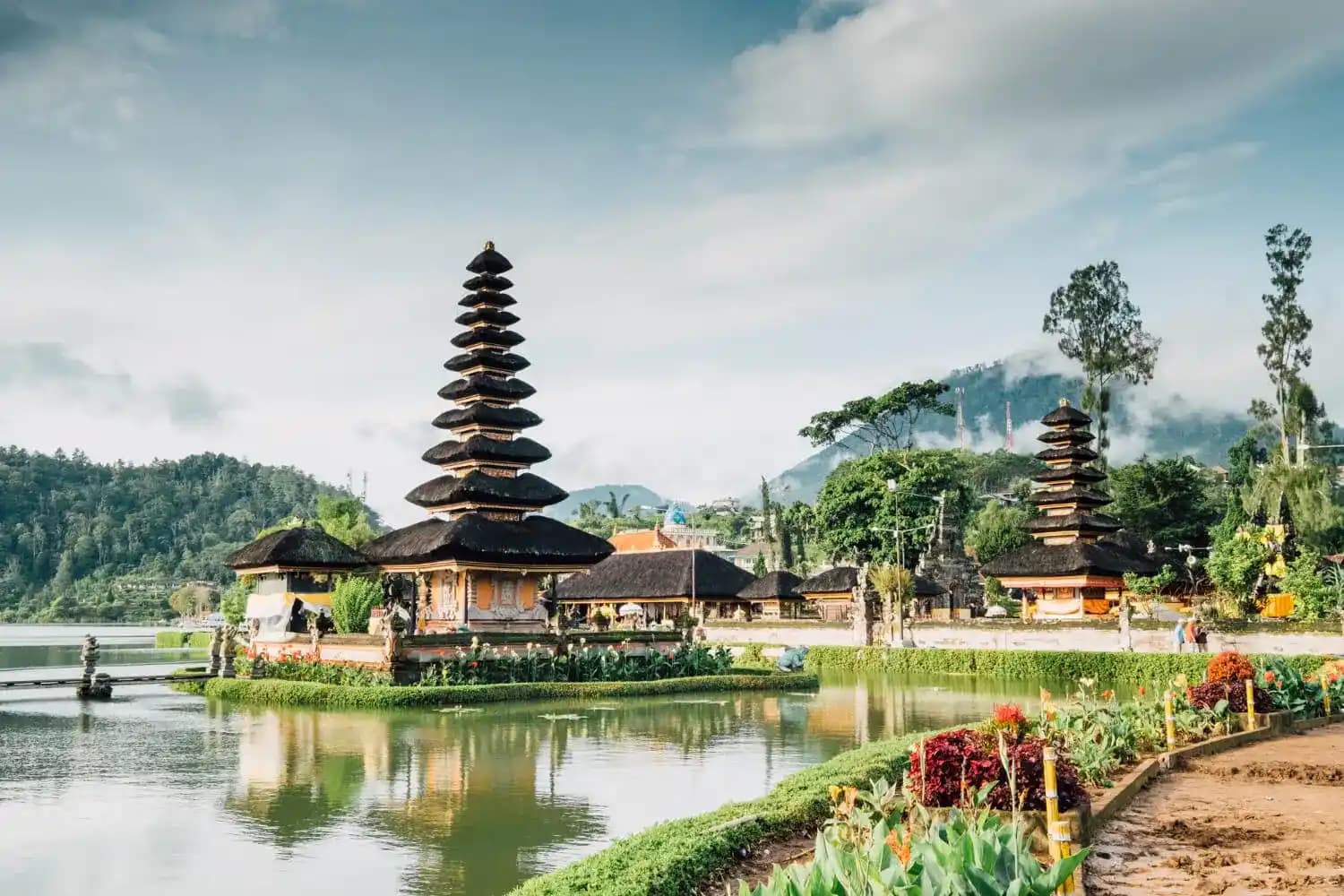

Explore Bikaner: Top India Travel Destinations in Asia
Bikaner, a historic city in the heart of the Thar Desert, is known for its magnificent forts, vibrant culture, and unique culinary delights. Founded in 1488 by Rao Bika, the city boasts the impressive Junagarh Fort, showcasing intricate architecture and a rich royal heritage. Bikaner is famous for its delectable Bikaneri Bhujia, a savory snack that has earned a Geographical Indication (GI) tag, and the annual Camel Festival, celebrating the region's deep connection to camel breeding. Travelers are drawn to Bikaner for its stunning desert landscapes, camel safaris, and immersive cultural experiences, making it a must-visit destination in Rajasthan.
Population: Estimate 840,000 people (as of 2024)
Economy: Bikaner's economy is a blend of traditional industries and modern tourism, providing visitors with a rich cultural experience while supporting local livelihoods. Known for its wool industry, producing high-quality woolen goods, including carpets and textiles. The region's climate and grazing land support a thriving sheep population, making wool production a significant economic activity.
Tourism is a growing sector in Bikaner, with attractions such as Junagarh Fort, Lalgarh Palace, and the annual Camel Festival drawing visitors from around the world. The local economy benefits significantly from the influx of tourists, leading to the development of hotels, restaurants, and shops that cater to visitors.
Landmarks: Junagarh Fort, Lalgarh Palace, Karni Mata Temple, Bhandasar Jain Temple, Rampuria Haveli, Gajner Palace, National Research Centre on Camel, Sadul Singh Museum

Overview of Bikaner
History & Cultural Influence
Bikaner, founded in 1488 by Rao Bika, is a historic city located in the northwestern state of Rajasthan, India, amidst the arid landscape of the Thar Desert. Its strategic position along ancient trade routes contributed to its prosperity, making it a cultural and economic hub. The city is renowned for its architectural marvels, particularly the Junagarh Fort, which has never been conquered, and the Lalgarh Palace, showcasing a blend of Rajput, Mughal, and European styles. Bikaner's cultural significance is further highlighted by its vibrant festivals, such as the Camel Festival, and its unique culinary offerings, including the famous Bikaneri Bhujia, making it a captivating destination for travelers interested in history, culture, and local traditions.
Interaction with The Locals
When interacting with locals in Bikaner, you can expect a warm and welcoming atmosphere. The city has a population composed of Hindus and a significant Muslim minority, reflecting a rich tapestry of cultures. Bikaneris are known for their hospitality and friendliness, often eager to share stories about their heritage and traditions.
The general attitude towards tourists is positive, as the local economy benefits significantly from tourism, particularly through historical sites like Junagarh Fort and the annual Camel Festival. You may encounter a blend of traditional and modern lifestyles, with locals often engaged in crafts such as wool production and intricate handicrafts. While the city is welcoming, travelers should be mindful of local customs and dress modestly, especially when visiting religious sites, to ensure respectful interactions.

Top attractions in Bikaner
Bikaner, a vibrant city in Rajasthan, is known for its impressive Junagarh Fort, a massive fortress that stands tall with its intricate architecture and rich history. The city is also home to the unique Karni Mata Temple, famously known as the Rat Temple, where thousands of revered rats are believed to bring good fortune. Don’t miss the Lalgarh Palace, a stunning blend of Rajput, Mughal, and European architectural styles, offering a glimpse into the royal heritage of Bikaner.
Junagarh Fort
Location: Near the city center, Bikaner
Junagarh Fort, built in the late 16th century by Raja Rai Singh, stands as one of Rajasthan's most formidable forts, never conquered in battle. The fort's blend of Rajput and Mughal architecture, with its intricate carvings and expansive courtyards, offers a glimpse into the grandeur of Bikaner's royal past. Visitors can explore its museums, which house a rich collection of royal artifacts, including weapons and costumes.
Lalgarh Palace
Location: 3 km from the city center, Bikaner
Lalgarh Palace, constructed in the early 20th century by Maharaja Ganga Singh, is a magnificent blend of Rajput, Mughal, and European architectural styles. The palace's opulent interiors and museum, displaying royal artifacts, provide insights into the luxurious lifestyle of Bikaner's former rulers. The palace also hosts cultural events, making it a vibrant attraction for those looking to experience Bikaner's royal heritage.
Bhandasar Jain Temple
Location: about 3 km from the city center, Bikaner
Bhandasar Jain Temple, dedicated to the fifth Tirthankara, Sumatinath, is renowned for its exquisite architecture and intricate frescoes. As one of the 27 Jain temples in Bikaner, it offers visitors a serene atmosphere and a chance to appreciate stunning craftsmanship, making it a must-visit for those interested in spirituality and art.
Karni Mata Temple
Location: 30 km from Bikaner, in Deshnok
Karni Mata Temple, famously known for its resident rat population, is dedicated to the goddess Karni Mata, believed to be an incarnation of Durga. This unique temple is an important pilgrimage site and draws both devotees and curious travelers intrigued by its unusual customs and architectural charm.
National Research Centre on Camel
Location: 8 km from the city center, Bikaner
The National Research Centre on Camel offers a fascinating glimpse into camel breeding and conservation, reflecting Bikaner's cultural connection to these desert animals. Visitors can learn about different camel breeds and their significance in the desert ecosystem. The center also offers camel rides, making it a memorable stop for tourists.
Gajner Palace
Location: 32 km from Bikaner
Originally a hunting lodge for the royal family, Gajner Palace is now a heritage hotel set along the tranquil banks of a picturesque lake. Surrounded by lush gardens, the palace offers a peaceful escape where visitors can enjoy boating, bird watching, and exploring the stunning architecture that reflects the opulence of Bikaner's royal history.
Devi Kund Sagar
Location: 8 km from Bikaner
Devi Kund Sagar, known for its serene royal cenotaphs (chhatris), is a peaceful site dedicated to the Bikaner royal family. The intricately carved memorials, surrounded by lush greenery, reflect the region's architectural style and provide a tranquil retreat for visitors interested in history and heritage.

Must-Try Dishes in Bikaner
Bikaner is a culinary delight, known for its iconic Bikaneri Bhujia, a crunchy and spicy snack that has become a signature treat of the city. Don’t miss trying Laal Maas, a fiery mutton curry with bold flavors, or the traditional Gatte ki Sabzi, a spicy curry made with gram flour dumplings, both of which offer a true taste of Rajasthani cuisine. For those with a sweet tooth, Rasgulla is a must-try dessert, offering a soft, syrupy finish to your culinary adventure in Bikaner.
Bikaneri Bhujia
Bikaneri Bhujia is a renowned savory snack made from gram flour, spices, and oil, known for its unique flavor and crunchy texture. This specialty of Bikaner has earned a Geographical Indication (GI) tag, making it a must-try treat that reflects the city’s rich culinary heritage.
Gatte ki Sabzi
A staple of Rajasthani cuisine, Gatte ki Sabzi features spicy gram flour dumplings simmered in a tangy yogurt-based gravy. This flavorful dish is often enjoyed with rice or roti, offering a delicious introduction to the local flavors of Bikaner.
Laal Maas
Laal Maas is a fiery mutton curry that originated in Bikaner, made with red chili peppers, yogurt, and a blend of aromatic spices. Known for its bold flavor and vibrant red color, this dish is a favorite among non-vegetarians and is typically served with bread or rice.
Khasta Kachori
Khasta Kachori is a flaky, deep-fried pastry filled with a spicy mixture of lentils, spices, and herbs. This popular snack, often paired with tamarind chutney or curd, is a staple in Bikaner’s local markets and eateries, offering a crispy and flavorful bite.
Pyaaj Kachori
Pyaaj Kachori, a variation of the traditional kachori, is stuffed with a spicy onion mixture. This specialty of Bikaner is loved by locals and visitors alike for its crispy exterior and savory filling, making it a perfect snack or light meal.
Rasgulla
Rasgulla is a beloved dessert in Bikaner, made from chhena (cottage cheese) and semolina dough, cooked in sugar syrup. This soft, spongy, and sweet delicacy is often enjoyed as a dessert or an accompaniment to meals, showcasing the city’s sweet culinary creativity.

Festivals & Local Celebrations
Bikaner Camel Festival
Time of Year: January (usually around the second week)
The Bikaner Camel Festival is a vibrant celebration of the camel, the "ship of the desert." The festival showcases camel races, dances, fur-cutting competitions, and even camel polo matches. You'll be captivated by the elaborately decorated camels, enjoy thrilling camel safaris, and be immersed in cultural programs featuring traditional music and dance. The festival also offers a chance to savor local cuisine and shop for unique handicrafts.
Karni Mata Fair
Time of Year: April-May and October-November
Held twice a year in Deshnoke, just 30 km from Bikaner, the Karni Mata Fair honors the goddess Karni Mata. Devotees visit the famous Karni Mata Temple, known for its resident rats, to offer prayers and seek blessings. As a visitor, you can witness the fascinating temple rituals and experience the deep devotion of the pilgrims.
Kolayat Fair
Time of Year: November
The Kolayat Fair, Bikaner's largest, is a lively blend of a cattle fair and a pilgrimage to the sacred Kolayat Lake. Here, you can explore a bustling livestock market, participate in cultural events, and visit ancient temples surrounding the lake. The fair also features traditional music, dance performances, and a variety of handicraft stalls, offering a rich cultural experience.
Holi Festival
Time of Year: March
Holi, the vibrant festival of colors, is celebrated with great enthusiasm in Bikaner. The streets come alive as people gather to play with colors, sing, and dance. Visitors are welcome to join in the festivities, experiencing the joy and exuberance of this beloved festival firsthand.
Paryushan and Kartik Purnima
Time of Year: August-September and October-November
These important festivals are celebrated by Bikaner's Jain community. During Paryushan, temples are beautifully decorated, and spiritual ceremonies take place. Kartik Purnima brings lively processions with musical bands and artistic displays, with celebrations centered around the Jain temples, offering a unique glimpse into the city's religious traditions.

Weather in Pushkar: Best Time to Visit
Bikaner has a hot desert climate characterized by extreme temperatures and minimal rainfall.
Average Temperatures
- Summer (April to June): Temperatures can soar, often exceeding 48°C (118°F) in May, with average highs around 42°C (107°F). Nights remain warm, averaging 27-29°C (81-84°F).
- Monsoon (July to September): This season brings some relief, with average temperatures ranging from 25°C (77°F) to 39°C (102°F). July is the wettest month, receiving about 95 mm (3.7 inches) of rainfall.
- Winter (November to February): Winters are cooler, with daytime highs between 18°C (64°F) and 30°C (86°F) and nighttime lows dropping to around 6°C (43°F) in January, the coldest month.
Rainfall
Annual Rainfall: Bikaner receives between 260-440 mm (10-17 inches) of rain annually, primarily during the monsoon months from July to September.
Best Time to Travel
The best time to visit Bikaner is from mid-November to mid-February, when the weather is cooler and more comfortable for outdoor activities and sightseeing.

Culture Etiquette in Bikaner
Dress Modestly
When visiting temples, shrines, and other religious sites in Bikaner, it is important to dress modestly. Men should wear full-length pants and shirts that cover their shoulders, while women should wear long skirts or dresses that cover their knees and tops that cover their shoulders. Avoid wearing revealing or tight-fitting clothing, as it is considered disrespectful in these sacred spaces.
Remove Shoes Before Entering Temples
It is customary to remove your shoes before entering Hindu and Jain temples in Bikaner. This is a sign of respect for the sanctity of the space. You may be asked to leave your shoes at the entrance or in a designated area.
Photography Etiquette
Taking photographs is generally allowed in most public spaces in Bikaner. However, it is considered polite to ask for permission before taking photos of people, especially in more private or religious settings. Avoid taking photos of women without their consent.
Greetings and Interactions
The traditional greeting in Bikaner is "Namaste," accompanied by a slight bow and hands pressed together. This gesture is a sign of respect and is appreciated by locals. When interacting with locals, be friendly and respectful. Avoid public displays of affection, as they are generally frowned upon.
Bargaining Etiquette
Bargaining is common in the markets and shops of Bikaner. However, it is important to do so respectfully and avoid being confrontational. If you are not satisfied with the price, politely walk away rather than arguing.

Essential Travel Information
Getting to Bikaner
By Air
Bikaner is served by Nal Airport (IATA: BKB), located approximately 15 km west of the city. The airport primarily operates domestic flights, with connections to Jaipur and Delhi under the UDAN scheme. For international travelers, the nearest major airports are Jodhpur Airport (about 251 km away) and Jaipur International Airport (approximately 330 km away).
By Train
Bikaner Railway Station is a major junction in the North Western Railway zone, offering efficient rail connectivity to major cities like Delhi, Jaipur, and Mumbai. The station is conveniently located in the city center, making it easy for travelers to reach their accommodations.
By Road
Bikaner is well-connected by road, with several state-run and private bus services linking it to nearby cities. The Central Bus Stand serves as the main hub for intercity bus services, including luxury and sleeper coaches for longer journeys.
Getting Around Bikaner
Auto Rickshaws
Auto rickshaws (tuk-tuks) are a popular mode of transport within the city. They are readily available, and it’s advisable to negotiate the fare before starting your journey.
Taxis and Local Cabs
Hiring a local taxi or cab is a convenient way to explore Bikaner, especially given the hot weather and the proximity of attractions. Several taxi services operate in the city, and it’s recommended to book in advance or arrange through your hotel.
Motorcycle Rentals
For the more adventurous, renting a motorcycle is an option, allowing travelers to explore at their own pace. However, caution is advised due to local traffic conditions.
Ride-Sharing Services
While traditional ride-sharing services like Uber are not widely available in Bikaner, local taxi services can often provide similar convenience.
ATM and Banking Services
Bikaner has a variety of ATMs and banking facilities that provide easy access to cash:
Bank of India ATM
- Location: Shardul Colony, Bikaner
- Hours: Open 24 hours
State Bank of India ATM
- Location: Old City Rampura, Bikaner
- Hours: Open 24 hours
HDFC Bank ATM
- Location: Sardar Patel Colony, Bikaner
- Hours: 7 AM – 11 PM
Bank of Maharashtra ATM
- Location: KEM Road, Bikaner
- Hours: Open 24 hours
Federal Bank ATM
- Location: Near Indira IVF, Sadul Ganj, Bikaner
- Hours: Open 24 hours
Accommodation Choices
Bikaner offers a variety of accommodation options catering to different budgets:
Luxury Hotels
- Laxmi Niwas Palace: A heritage hotel that was once the residence of the royal family, featuring luxurious rooms and beautiful gardens.
- Gajner Palace: A stunning palace hotel located on the banks of Gajner Lake, offering a tranquil setting and royal hospitality.
Mid-Range Hotels
- Hotel Raj Vilas: A comfortable hotel with modern amenities, located close to major attractions.
- Hotel Bikaner Palace: Offers a blend of traditional architecture and modern comforts, making it a popular choice for travelers.
Budget Hotels and Guesthouses
- Hotel Shivam: A budget-friendly option with basic amenities and a friendly atmosphere.
- Bikaner Desert Safari Camp: A unique experience offering tent accommodations and desert activities.
Articles for you

Explore Agra: Top India Travel Destinations in Asia
Agra, the city of the iconic Taj Mahal, is a historic gem in northern India, situated on the banks of the Yamuna River. This former capital of the Mughal Empire is renowned for its magnificent architectural marvels, approximately 206 kilometers south of New Delhi.
With it's rich cultural heritage, vibrant markets, and delectable cuisine, particularly the famous Mughlai dishes and sweets like petha, make it a must-visit destination for travelers seeking a glimpse into India's glorious past and a taste of its diverse flavors.
Population: Estimate 2,300,000 people (as of 2024)
Economy: Agra is a diverse economy that heavily relies on tourism, manufacturing, and agriculture. The city is a major tourist hub, attracting around 9.5 million visitors annually, primarily due to iconic landmarks like the Taj Mahal and Agra Fort, which significantly contribute to the local economy.
Approximately 40% of the population is engaged in agriculture, while the city is also renowned for its leather industry, producing over 150,000 pairs of shoes daily, making it one of the largest shoe manufacturing centers in India.
Landmarks: Taj Mahal, Agra Fort, Fatehpur Sikri, Itimad-ud-Daula's Tomb (Baby Taj), Jama Masjid, Chini Ka Rauza, Akbar's Tomb

Explore Pushkar: Top India Travel Destinations in Asia
Pushkar is a small town located in the Ajmer district of Rajasthan, India, situated about 10 kilometers northwest of Ajmer and approximately 150 kilometers southwest of Jaipur.
Notable for its sacred Pushkar Lake, which is surrounded by 52 ghats and over 400 temples, Pushkar is particularly famous for the Brahma Temple, one of the few temples dedicated to Lord Brahma in the world. The town is also renowned for its annual Pushkar Camel Fair, attracting thousands of visitors for its vibrant cultural displays and livestock trading. Pushkar's unique blend of spirituality, historical significance, and cultural festivities makes it an attractive destination for travelers seeking to experience the rich heritage of Rajasthan.
Population: Estimate 23,000 people (as of 2024)
Economy: The tourism industry is a major economic contributor, supporting numerous hotels, guesthouses, and local businesses that cater to various budgets. The vibrant bazaars offer a range of souvenirs, handicrafts, and traditional Rajasthani products, enhancing the local economy. With the surrounding Aravalli mountain range providing fertile land for crops such as wheat, mustard, and pulses. Many farmers engage in organic farming practices, which have gained popularity and contribute to the region's sustainable development.
Landmarks: Pushkar Lake, Brahma Temple, Savitri Temple, Varaha Temple, Rangji Temple, Man Mahal, Gurudwara Singh Sabha, Naga Pahar

Explore Delhi: India Travel Guide, Asia Destinations
Delhi, the bustling capital of India, is located in north-central India on the west bank of the Yamuna River, just south of the Himalayas. With a population as the second most populated city in the world, offering a dynamic mix of ancient and modern life. The city’s history stretches back over two millennia, having served as the capital of various empires, including the Delhi Sultanate and Mughal Empire. It became the capital of British India in 1911 and continues to be the political heart of independent India since 1947.
Delhi’s unique character lies in its dual identity, with Old Delhi showcasing rich history and New Delhi representing the nation’s modern face. The city boasts iconic landmarks like the Qutub Minar, Humayun’s Tomb, and the Red Fort, all of which are UNESCO World Heritage Sites. Visitors are also drawn to Delhi’s vibrant cultural diversity, religious sites, and thriving culinary scene, especially its famous street food. As a major economic and educational hub, Delhi seamlessly blends its architectural marvels, green spaces, and bustling markets, making it a must-visit destination for travelers.
Population: Estimate 33,800,000 (as of 2024)
Economy: Delhi is a dynamic and multifaceted landscape that plays a crucial role in India's overall economic framework. The services sector is the backbone of Delhi's economy, contributing about 70.95% to the GSDP. Key industries include information technology, telecommunications, banking, media, and tourism. The city is also a hub for hotels and hospitality, benefiting from its status as a major tourist destination. The city attracts a large number of domestic and international tourists, drawn by its rich historical heritage and modern attractions. In 2016, tourism generated about US$3.2 billion, supporting over 460,000 jobs.
Landmarks: Qutub Minar, Red Fort, Humayun's Tomb, Lotus Temple, India Gate, Jama Masjid, Raj Ghat, Akshardham Temple
Explore more tours in India here.

Explore Jodhpur: Top India Travel & Tweet Tours Guide
Jodhpur, located in the western Indian state of Rajasthan, is known as the "Blue City" for its distinctive blue-painted houses that surround the majestic Mehrangarh Fort. Founded in 1459 by Rao Jodha, the city serves as the administrative headquarters of the Jodhpur district, it is the second-largest city in the state.
Jodhpur's unique charm lies in its rich history, with stunning landmarks such as the Umaid Bhawan Palace, a blend of art deco and Indo-Saracenic architecture, and the vibrant bazaars that offer a glimpse into local handicrafts and textiles. The city's strategic location near the Thar Desert makes it a popular base for travelers exploring Rajasthan, while its warm, sunny climate has earned it the nickname "Sun City." Visitors are drawn to Jodhpur not only for its historical significance and architectural beauty but also for its delicious local cuisine, including dishes like dal baati churma and gatte ki sabzi, which reflect the culinary traditions of the region.
Population: Estimate 1,600,000 people (as of 2024)
Economy: Jodhpur is an thriving economy based on agriculture, handicrafts, industry, and tourism. Jodhpur district has a significant agricultural sector, with around 60% of the total land area under cultivation. Tourism is also a key economic driver, with Jodhpur known for its heritage hotels and historic attractions like Mehrangarh Fort and Umaid Bhawan Palace.
The city's nickname also come with "Blue City" and its desert setting make it a popular tourist destination.
Landmarks: Mehrangarh Fort, Umaid Bhawan Palace, Jaswant Thada, Clock Tower (Ghanta Ghar), Toorji Ka Jhalra (Toorji's Step Well), Mahamandir Temple, Rao Jodha Desert Rock Park


Explore Delhi: India Travel Guide, Asia Destinations
Delhi, the bustling capital of India, is located in north-central India on the west bank of the Yamuna River, just south of the Himalayas. With a population as the second most populated city in the world, offering a dynamic mix of ancient and modern life. The city’s history stretches back over two millennia, having served as the capital of various empires, including the Delhi Sultanate and Mughal Empire. It became the capital of British India in 1911 and continues to be the political heart of independent India since 1947.
Delhi’s unique character lies in its dual identity, with Old Delhi showcasing rich history and New Delhi representing the nation’s modern face. The city boasts iconic landmarks like the Qutub Minar, Humayun’s Tomb, and the Red Fort, all of which are UNESCO World Heritage Sites. Visitors are also drawn to Delhi’s vibrant cultural diversity, religious sites, and thriving culinary scene, especially its famous street food. As a major economic and educational hub, Delhi seamlessly blends its architectural marvels, green spaces, and bustling markets, making it a must-visit destination for travelers.
Population: Estimate 33,800,000 (as of 2024)
Economy: Delhi is a dynamic and multifaceted landscape that plays a crucial role in India's overall economic framework. The services sector is the backbone of Delhi's economy, contributing about 70.95% to the GSDP. Key industries include information technology, telecommunications, banking, media, and tourism. The city is also a hub for hotels and hospitality, benefiting from its status as a major tourist destination. The city attracts a large number of domestic and international tourists, drawn by its rich historical heritage and modern attractions. In 2016, tourism generated about US$3.2 billion, supporting over 460,000 jobs.
Landmarks: Qutub Minar, Red Fort, Humayun's Tomb, Lotus Temple, India Gate, Jama Masjid, Raj Ghat, Akshardham Temple
Explore more tours in India here.

Our Best-Selling Tours
Follow Us