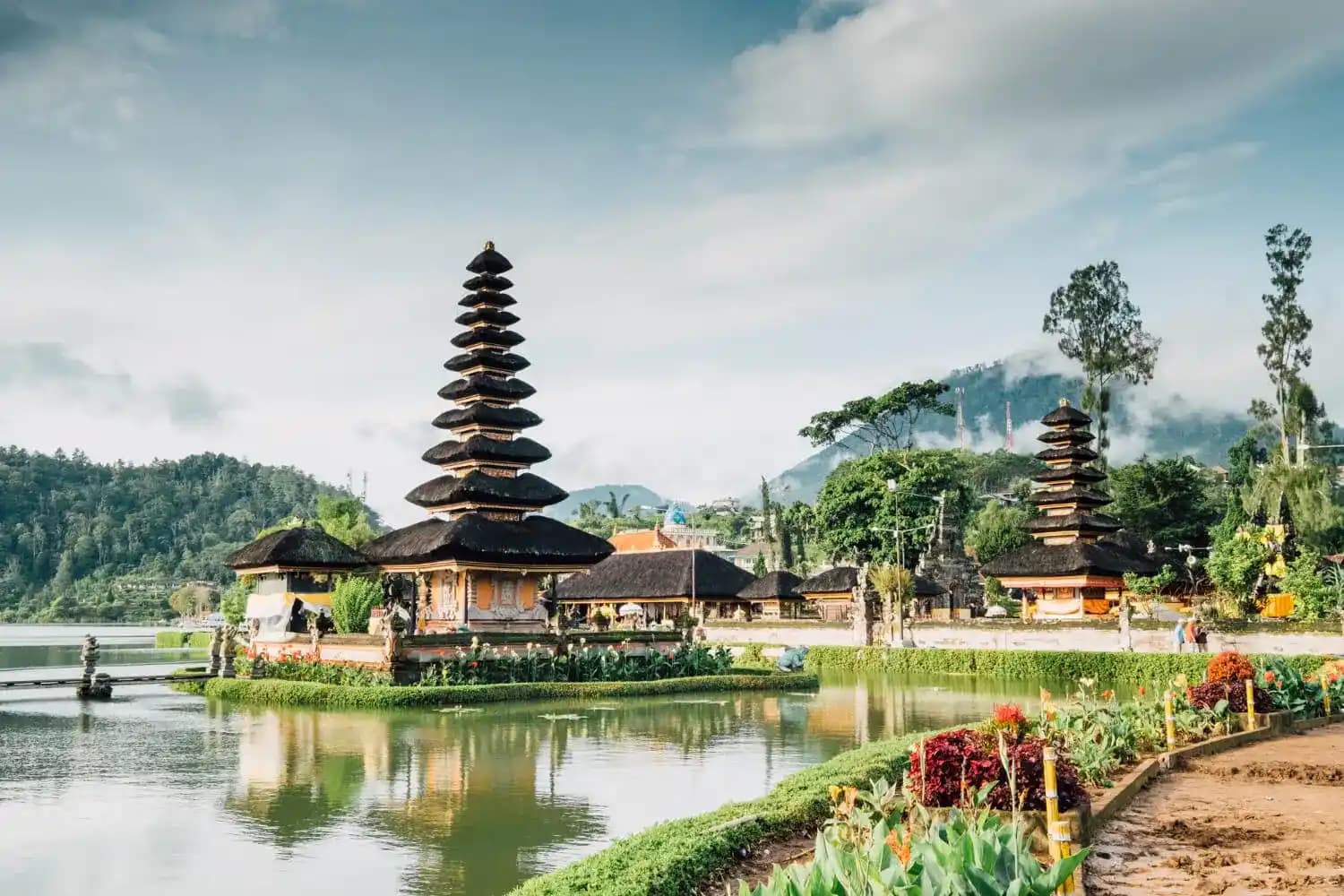

Explore Osaka - Japan Travel, Asia
Osaka stands as a cultural and economic powerhouse in Japan, renowned for its warm hospitality and dynamic cityscape. From traditional temples to futuristic skyscrapers, every corner of Osaka tells a story of resilience and innovation. Located in Honshu Prefecture and only takes a short time to travel from Tokyo, Osaka is the dream destination for first-time visitors. Whether you're drawn by its iconic culinary delights, rich cultural heritage, or bustling urban life, Osaka promises an unforgettable experience year-round.
Seeking a tailored Japan adventure? Explore our premium Japan tour offerings here.
Population: Approximately 2.7 millions in 2020.
Economy: Japan’s second largest economic center.
Landmarks: Famous for Osaka Castle, Umeda Sky Building, and Shitennoji Temple.

Overview on Osaka
History & Culture Influence
Osaka's history as a prominent castle town and merchant city during the feudal era shaped its distinct culture and identity. Explore remnants of samurai residences and merchant quarters that offer glimpses into Osaka's past glory. Today, Osaka continues to thrive as a center of innovation and commerce, blending modernity with tradition. From cutting-edge architecture to vibrant entertainment districts, the city embraces progress while preserving its cultural heritage.
Interaction with The Locals
Osaka's population embodies a unique blend of traditional Japanese values and modern urban lifestyles. They take pride in their city's rich cultural heritage and culinary prowess, often seen in their love for good food and lively street festivals. Osaka people are also renowned for their directness and outgoing nature, making interactions with visitors memorable and engaging. Their hospitality extends beyond mere politeness, creating a vibrant and inclusive atmosphere that reflects Osaka's status as a dynamic cultural hub in Japan.
Top Attractions in Osaka
- Osaka Castle: A historic symbol of Osaka with impressive architecture, beautiful gardens, and historical exhibits.
- Umeda Sky Building: Offers panoramic views of Osaka from its Floating Garden Observatory, especially stunning at sunset.
- Shitennoji Temple: Japan's oldest Buddhist temple, featuring a five-story pagoda and serene grounds.
- Dotonbori: Famous for its lively atmosphere, neon lights, and delicious street food like takoyaki and okonomiyaki.
- Osaka Aquarium Kaiyukan: One of Japan's largest aquariums, showcasing diverse marine life including whale sharks.
Visitors can explore Osaka's off-beaten-path attractions, from quaint neighborhoods with traditional architecture to local markets brimming with culinary delights and handmade crafts on food. These hidden gems offer authentic experiences away, perfect for curious travelers seeking authenticity and provide you a great chance to immerse yourself in the daily life of the locals.

Must-Try Dishes in Osaka
- Okonomiyaki: A savory pancake filled with ingredients like cabbage, pork, and seafood, grilled and topped with savory sauces.
- Takoyaki: Octopus-filled batter balls, crispy on the outside and soft on the inside, drizzled with sweet and savory sauces.
- Kushikatsu: Skewered and deep-fried delights ranging from meats like pork and chicken to vegetables, dipped in a tangy sauce.
- Udon and Soba: Osaka is known for its delicious noodle dishes, including thick udon noodles served hot or cold, and buckwheat soba noodles often enjoyed with dipping sauces.
- Fugu: The infamous blowfish, meticulously prepared by licensed chefs to ensure its safe consumption, often served as sashimi or in hot pot dishes.
- Horumon: Grilled or pan-fried offal meats, including beef and pork intestines, seasoned and served with dipping sauces.
- Kaiseki: A traditional multi-course meal featuring meticulously prepared dishes that highlight seasonal ingredients and artistic presentation.
- Izakaya Delights: Small plates and snacks enjoyed with drinks in cozy taverns, offering a wide range of dishes from grilled skewers (yakitori) to simmered stews (nikujaga).
Explore the unique charm of Kanazawa, another must-visit place in Japan, in our article here.
Festivals & Local Celebrations
Tenjin Matsuri
Join locals in celebrating Osaka's largest summer festival, Tenjin Matsuri, held annually in July. Witness vibrant processions of boats along the Okawa River, dazzling fireworks displays, and performances that showcase Osaka's cultural vibrancy.
Hanami at Osaka Castle
During cherry blossom season in spring, Osaka Castle becomes a popular spot for hanami (flower viewing) picnics under blooming sakura trees. Join the festive atmosphere as locals and visitors alike gather to appreciate the ephemeral beauty of cherry blossoms.

What to Do in Osaka
- Osaka Castle Park: Take a leisurely stroll or enjoy a picnic amidst the scenic beauty of Osaka Castle Park, especially picturesque during cherry blossom season in spring.
- Osaka Museum of History: Dive into Osaka's past at the Osaka Museum of History, where interactive exhibits and panoramic views from the top floor trace the city's evolution from ancient times to the present day.
- Osaka Street Food Tours: Embark on a guided street food tour through districts like Kuromon Ichiba Market or Namba, sampling Osaka's culinary delights such as fresh seafood, regional sweets, and savory snacks prepared right before your eyes.
- Osaka Bay Cruise: Cruise along Osaka Bay aboard a sightseeing boat, enjoying views of iconic landmarks like the Osaka Aquarium Kaiyukan, Tempozan Harbor Village, and the futuristic architecture of the Osaka Maritime Museum.
Shopping in Osaka
Shopping in Osaka is a delight for enthusiasts of both luxury and local finds.
- Dotonbori: Iconic neon signs and bustling energy, offers everything from high-end boutiques to quirky souvenir shops.
- Shinsaibashi Arcade: Beckons with its array of fashion retailers and department stores for all convenient goods one could think of.
- Namba Walk and Osaka Station City: Osaka's famous underground shopping malls will give you a wider range to browse a variety of shops, boutiques, and eateries offering everything from fashion to local crafts.

Weather Conditions in Osaka
Spring (March to May)
- Weather: Spring is one of the most popular periods to visit Osaka because of the pleasant temperatures, which range from 10°C to 20°C (50°F to 68°F). Cherry blossoms bloom from late March to early April, attracting visitors for hanami (flower viewing) picnics.
- Tourism Trend: Peak season for tourism as travelers flock to witness the stunning cherry blossoms in parks and gardens across the city. Accommodation and attraction bookings may require advance planning due to high demand.
Summer (June to August)
- Weather: Osaka has hot and humid summers with average temperatures ranging from 25°C to 35°C (77°F to 95°F). The occasional rain shower provides reprieve from the heat.
- Tourism Trend: Despite the heat, summer sees a steady influx of tourists, especially families and international visitors enjoying summer vacations. Popular attractions like Universal Studios Japan and Osaka Aquarium Kaiyukan are crowded during this period.
Autumn (September to November)
- Weather: Autumn in Osaka brings cooler temperatures ranging from 15°C to 25°C (59°F to 77°F), along with vibrant foliage from late October to November.
- Tourism Trend: Ideal weather for sightseeing and outdoor activities, with fewer crowds compared to spring and summer. The autumn foliage in parks like Osaka Castle Park and Minoo Park attracts nature enthusiasts and photographers.
Winter (December to February)
- Weather: Osaka experiences mild winters with temperatures averaging from 5°C to 10°C (41°F to 50°F). It rarely snows in Osaka, but temperatures can drop, especially in January and February.
- Tourism Trend: Winter sees a decrease in tourist numbers compared to other seasons, making it an excellent time to explore Osaka's indoor attractions, shopping districts, and enjoy seasonal events like illuminations and winter festivals.
Are you interested in Okayama? Discover more about this unique destination with our article here.

Culture Etiquette in Osaka
Understanding and respecting cultural etiquette is essential when visiting Osaka, as it enhances interactions with locals and fosters a positive experience.
Respect for Others
- Politeness: Osakans value politeness and courtesy in interactions. Always greet others with a bow or a nod, especially when meeting someone for the first time or entering a shop or restaurant.
- Quietness: Public spaces such as trains, buses, and waiting areas are generally quiet. Maintain the peaceful environment by avoiding having loud talks or using the phone in certain scenarios.
Dining Customs
- Table Manners: When dining in Osaka, it's customary to say "itadakimasu" (I gratefully receive) before a meal and "gochisousama deshita" (thank you for the meal) afterward. Use chopsticks correctly; never place them vertically in food, as this mimics a burial ceremony.
- Slurping: In noodle shops, slurping noodles is acceptable and indicates that you're enjoying the meal.
Social Customs
- Personal Space: Respect personal space and avoid unnecessary physical contact. Osakans appreciate maintaining a comfortable distance during conversations and interactions.
- Gift Giving: When giving gifts, use both hands to present the gift, and it's customary to receive gifts with both hands as well. Gifts are often exchanged at the beginning or end of a visit or business meeting.
- Dress Code: While Osaka is modern and cosmopolitan, modesty in dress is generally appreciated, especially when visiting temples or traditional settings.
Public Behavior
- Queueing: Always queue in an orderly manner, whether waiting for public transport, entering a store, or purchasing tickets. Cutting in line is considered rude.
- Trash Disposal: Japan is known for its cleanliness. Dispose of trash properly and separate recyclables following local guidelines.
Cultural Sensitivity
- Shoes Off: In many homes, traditional accommodations, and some restaurants, you may be required to remove your shoes before entering. Look for shoe racks or take cues from others.
- Language: Learning a few basic Japanese phrases like "hello" (konnichiwa), "thank you" (arigatou gozaimasu), and "excuse me" (sumimasen) shows respect and can help in everyday interactions.

Essential Travel Information
Getting Around Osaka
Getting around Osaka is seamless thanks to its efficient transportation network. The city boasts extensive subway and train lines, easy to navigate with an ICOCA card—a convenient touch-and-go payment system used for tourists to simplify the travel experience. Buses and taxis are also readily available, providing flexibility for exploring both within the city and beyond.
ATM & Banking Services
Travelers to Osaka need not worry about access to banking services. ATMs are widely available, accepting international cards in major areas such as airports, train stations, and shopping districts. Currency exchange facilities are also easily accessible, ensuring convenience for visitors from abroad.
Where to Stay in Osaka
Osaka caters to every traveler's accommodation preferences with a diverse range of options. From luxurious hotels boasting panoramic city views in Umeda to budget-friendly hostels nestled in vibrant neighborhoods like Namba, finding a comfortable place to stay is effortless. For those seeking a more immersive experience, traditional ryokans offer a glimpse into Japanese hospitality with tatami-matted rooms and communal baths.
Articles for you

Explore Itsukushima (Miyajima) - Japan Travel, Asia
Floating gently in the tranquil waters of the Seto Inland Sea, Miyajima, officially known as Itsukushima, is one of Japan’s most treasured islands. Just a short ferry ride from Hiroshima, this peaceful destination draws travelers with its spiritual energy, ancient shrines, and wild-yet-gentle sacred deer that roam freely. Renowned for the iconic floating Torii gate of Itsukushima Shrine, Miyajima blends centuries of Shinto belief, Buddhist tradition, and natural beauty into one unforgettable journey.
Population: Approximately 1,500 in 2019.
Economy: Miyajima’s economy is deeply rooted in tourism. Visitors fuel local businesses such as traditional inns (ryokan), souvenir shops, street food vendors, and ferry services.
Landmarks: Famous for Itsukushima Shrine and the Floating Torii Gate, Mount Misen, and the Daisho-in Temple.

Explore Obuse - Japan Travel, Asia Tweet Tours
Tucked away in Nagano Prefecture, Obuse is a charming town that draws visitors back in time and immerses themselves in rich history, local art, and tranquil beauty. This place blends the best of traditional Japan with modern, laid-back vibes. While many travelers to Japan may focus on major cities like Tokyo or Kyoto, Obuse offers a unique cultural experience that shouldn’t be missed. This quaint town is best known for its connection to the renowned artist Hokusai and its delicious explore chestnut-based delicacies.
Ready to dive deeper into Japan's wonders? Discover our premium Japan tours here for an extraordinary experience.
Population: Approximately 11,000 in 2019.
Economy: Obuse's economy thrives on tourism, agriculture, and local craftsmanship. It’s famous for chestnut farming, traditional sake brewing, and artisan goods, with a strong focus on preserving cultural heritage.
Landmarks: Famous for the Hokusai Museum, Gansho-in Temple, and the Masuichi Sake Brewery.

Explore Shirakawa-go - Japan Travel, Asia
Tucked away in the mountains of Gifu Prefecture, Shirakawa-go feels like a scene from an old Japanese folktale. This UNESCO World Heritage Site is famous for its gassho-zukuri farmhouses, wooden homes with steep thatched roofs designed to withstand heavy winter snow. Here, each season paints the village in new colors: spring blossoms, green summer paddies, golden autumn leaves, and glistening winter snow.
Population: Approximately 60,000 in 2020.
Economy: Shirakawa-go’s economy blends heritage preservation with sustainable tourism. While agriculture, especially rice farming, remains part of local life, tourism is now the main economic driver.
Landmarks: Famous for Ogimachi Village, Wada House, and Shiroyama Viewpoint.

Explore Tochigi Prefecture - Japan Travel, Asia
Tochigi Prefecture is a hidden gem located in the Kanto region of Japan, just a short train ride from the hustle and bustle of Tokyo. Known for its striking natural beauty, rich cultural heritage, and historic landmarks, Tochigi offers a perfect blend of modern convenience and traditional charm. Visitors can explore breathtaking UNESCO World Heritage Sites, serene mountains, lush forests, and rejuvenating onsen hot springs. It's also home to Nikko National Park, a paradise for hikers and nature lovers. This peaceful region stands out for its unique experiences that give travelers a taste of authentic Japan, far from the busy urban centers.
Population: Approximately 1.9 million in 2023.
Economy: Tochigi Prefecture's economy is driven by a mix of agriculture, manufacturing, and tourism. Known for producing strawberries, rice, and kanpyo, it also hosts automotive and electronics industries. Tourism, especially in Nikko, plays a significant role in its economy.
Landmarks: Famous for the Nikko National Park, Nikko Toshogu Shrine, and the Ashikaga Flower Park.


Explore Obuse - Japan Travel, Asia Tweet Tours
Tucked away in Nagano Prefecture, Obuse is a charming town that draws visitors back in time and immerses themselves in rich history, local art, and tranquil beauty. This place blends the best of traditional Japan with modern, laid-back vibes. While many travelers to Japan may focus on major cities like Tokyo or Kyoto, Obuse offers a unique cultural experience that shouldn’t be missed. This quaint town is best known for its connection to the renowned artist Hokusai and its delicious explore chestnut-based delicacies.
Ready to dive deeper into Japan's wonders? Discover our premium Japan tours here for an extraordinary experience.
Population: Approximately 11,000 in 2019.
Economy: Obuse's economy thrives on tourism, agriculture, and local craftsmanship. It’s famous for chestnut farming, traditional sake brewing, and artisan goods, with a strong focus on preserving cultural heritage.
Landmarks: Famous for the Hokusai Museum, Gansho-in Temple, and the Masuichi Sake Brewery.


Our Best-Selling Tours
Follow Us