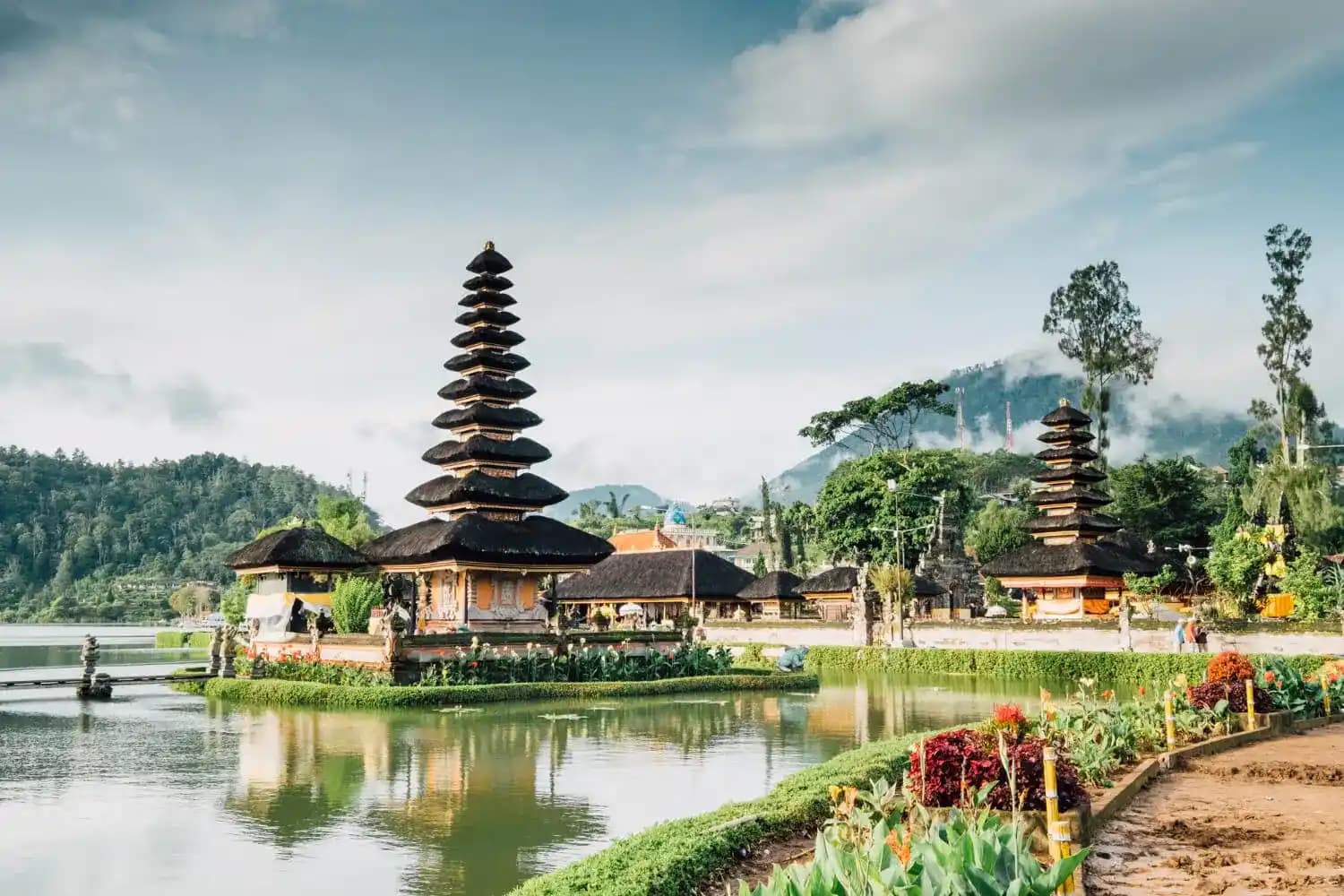

Explore Sukhothai - Thailand Travel, Asia
Sukhothai, a serene gem nestled in northern Thailand, offers travelers a journey back in time to the birthplace of Thai civilization. Known as the "Dawn of Happiness," Sukhothai holds a significant place in Thai history, where the first independent Thai kingdom was established in the 13th century. This ancient city, now a UNESCO World Heritage Site, is a treasure trove of historical and cultural wonders, making it a must-visit destination for those who seek to immerse themselves in Thailand's rich heritage. Whether you're a history enthusiast, a culture lover, or a curious traveler, Sukhothai promises an experience like no other.
Population: Approximately 600,000 in 2019.
Economy: Sukhothai’s economy is driven by tourism, agriculture, and local crafts. The city thrives on its historical sites and cultural heritage, attracting visitors while supporting traditional industries.
Landmarks: Famous for the Wat Mahathat, Wat Si Chum, and Ramkhamhaeng National Museum.
Check out other Thailand tours here.

Overview of Sukhothai
History & Cultural Influence
Sukhothai’s history is intertwined with the dawn of the Thai nation. Founded in the 13th century, the Sukhothai Kingdom marked the golden age of Thai culture. This era saw the flourishing of art, architecture, and the Thai script, which laid the foundation for modern Thailand. The heart of this legacy is Sukhothai Historical Park, home to the ruins of grand temples, palaces, and Buddha statues, each telling stories of a bygone era. Here, you’ll find Wat Mahathat, the spiritual center of the ancient city, with its iconic lotus-bud chedi surrounded by elegant Buddha images.
Interaction with the Locals
The citizens of Sukhothai are known for their warmth, hospitality, and deep connection to their cultural heritage. Most of the population engages in agriculture, traditional crafts, and tourism-related activities. The people here take pride in their city's rich history and are eager to share their traditions and way of life with visitors. Despite the city's historical significance, Sukhothai maintains a relaxed, rural atmosphere, where residents live in harmony with the surrounding natural beauty.

Top Attractions in Sukhothai
Wat Mahathat
Wat Mahathat is Sukhothai's largest and most important temple. Its central chedi, surrounded by Buddha statues and smaller stupas, represents the pinnacle of Sukhothai architecture. This temple served as the spiritual and political heart of the Sukhothai Kingdom, and its grandeur is a testament to the devotion of its people.
Wat Si Chum
Just a short distance from Wat Mahathat lies Wat Si Chum, home to the famous Phra Achana, a massive seated Buddha that seems to radiate calmness and wisdom. The statue, housed in a mandapa (square structure), is one of the most photographed icons of Sukhothai. Visitors often feel a sense of peace when standing before this awe-inspiring image.
Ramkhamhaeng National Museum
For those interested in delving deeper into the history of Sukhothai, the Ramkhamhaeng National Museum is a must-visit. The museum houses a collection of artifacts, including ceramics, sculptures, and inscriptions, that provide a glimpse into the life and culture of the Sukhothai period. It’s an excellent place to start your exploration of the city, offering context and insight into the significance of the ruins scattered throughout the area.
Wat Saphan Hin
Wat Saphan Hin, or the "Temple of the Stone Bridge," located on a hill west of Sukhothai Historical Park, is famous for its standing Buddha, Phra Attharot, which towers over 12 meters high. The hike up the ancient stone pathway to reach the temple offers stunning panoramic views of the surrounding landscape, making it a rewarding experience for those who visit.
Wat Phra Phai Luang
Wat Phra Phai Luang is one of the oldest and most important temples in Sukhothai. Originally a Khmer temple, it later became a key site for the Sukhothai Kingdom. The temple complex features intricate stucco reliefs, prangs (towers), and Buddha images, showcasing a blend of architectural styles. It’s a fascinating site for those interested in the religious and cultural transitions that shaped the region.
Explore more stunning temples in Bangkok here.

Must-Try Dishes in Sukhothai
Sukhothai is not just a historical treasure; it’s also a culinary destination that offers unique and flavorful dishes. The local cuisine reflects the region’s agricultural heritage and is characterized by fresh ingredients, simple preparation methods, and bold flavors.
- Kuaytiaw Sukhothai (Sukhothai Rice Noodles): A signature dish, these rice noodles are served in a light, aromatic broth with slices of pork, lime, peanuts, and green beans. The mix of sweet, sour, and savory flavors makes it a local favorite.
- Nam Prik Num: This hot chili dip, prepared with roasted green chilies, garlic, and shallots, is commonly served with steamed veggies and sticky rice. It is a mainstay of Northern Thai cuisine.
- Khao Perb: A unique Sukhothai dish, Khao Perb consists of soft, chewy rice noodles served in a light broth with minced pork and vegetables. It's simple, comforting, and perfect for a quick meal.
- Moo Sa Rong: Moo Sa Rong is a famous snack made with marinated pork wrapped in thin noodles and deep-fried to a crispy perfection. It is crispy on the outside yet tender on the inside.
- Pla Ta Pian Daet Diao: This local dish features sun-dried freshwater fish, typically grilled or fried. It’s often paired with sticky rice and Nam Prik, making for a flavorful and satisfying meal.
- Kaeng Om: A Northern-style herbal curry, Kaeng Om is made with a variety of vegetables and meats, often flavored with dill and lemongrass. It’s hearty and aromatic, offering a taste of traditional Thai flavors.
Are you a cuisine lover? Discover Hua Hin's best dishes in this article.

Festivals & Local Celebrations
Sukhothai is alive with vibrant festivals and local celebrations that offer a glimpse into its rich cultural heritage. These events are an integral part of the community, reflecting the region’s traditions, beliefs, and way of life.
Loy Krathong Festival
Loy Krathong, celebrated annually in November, is one of Thailand’s most enchanting festivals, and Sukhothai is where it all began. The festival involves floating small, decorated rafts (krathongs) on rivers and ponds to pay respect to the water spirits. In Sukhothai, the celebrations are particularly special, with thousands of lanterns lighting up the night sky around the ancient ruins, creating a magical atmosphere. It’s a time for locals and visitors alike to come together and participate in this beautiful tradition.
Sukhothai Historical Park Festival
This festival, held annually, commemorates the history and culture of Sukhothai. The event features traditional dance performances, light and sound shows, and historical reenactments, all set against the backdrop of the Sukhothai Historical Park. It’s an immersive experience that transports visitors back to the days of the Sukhothai Kingdom.
Songkran Festival (Thai New Year)
The Thai New Year, known as Songkran, is celebrated in mid-April and is one of the most joyous occasions in Sukhothai. The festival is marked by water-splashing, religious ceremonies, and family gatherings. In Sukhothai, the celebrations often include processions, traditional dances, and the bathing of Buddha images, reflecting the deep-rooted customs of the region.

What to Do in Sukhothai
- Cycling Tours in Sukhothai: Cycling tours through the Sukhothai Historical Park allow you to take in the ancient ruins at a leisurely pace, with the freedom to stop and admire the sites. Many local firms provide guided tours that explain the history and importance of each monument.
- Exploring Sukhothai Historical Park: The park is expansive, with well-preserved ruins, temples, and has one of the greatest Buddha statues that transport you back to the 13th century. Take your time wandering through the ancient city, and don’t forget to visit Wat Mahathat and Wat Si Chum, two of the most iconic sites.
- Participating in Traditional Craft Workshops: Sukhothai is known for its traditional crafts, particularly pottery and textiles. Visitors can participate in workshops where they learn to create their own pieces, guided by skilled local artisans.
- Boat Tours on the Yom River: For a more relaxed experience, take a boat tour along the Yom River. These tours provide a different perspective of Sukhothai, allowing you to see the city’s natural beauty and historical sites from the water.
Shopping in Sukhothai
- Sangkhalok Ceramic Shops: Discover the exquisite Sangkhalok ceramics, a traditional craft dating back to the Sukhothai Kingdom. These shops offer beautifully crafted pottery with intricate designs, making for perfect souvenirs that capture the essence of Sukhothai’s artistic heritage.
- Sukhothai Night Market: A bustling hub of activity, the Sukhothai Night Market is the ideal spot for shopping and sampling local street food. A bustling, bright environment surrounds a selection of handcrafted goods, apparel, accessories, and local foods.
- Handwoven Textile Stores: Explore shops specializing in handwoven silk and cotton textiles, where you can purchase high-quality scarves, shawls, and garments. These textiles, made using traditional techniques, offer a unique and authentic Sukhothai shopping experience.
- Local Markets: Visit the local markets scattered throughout Sukhothai for fresh produce, spices, and everyday goods. These markets provide an authentic glimpse into the daily lives of Sukhothai residents and offer opportunities to buy locally sourced products.

Weather in Sukhothai: Best Time to Visit
Hot Season in Sukhothai
The hot season sees temperatures often exceeding 35°C (95°F), making it the least comfortable time for outdoor activities. However, this period offers lower accommodation rates and fewer crowds at popular attractions. For those who don’t mind the heat, it's an opportunity to explore the Sukhothai Historical Park and local markets with fewer tourists. Early mornings and late afternoons are the best times for sightseeing to avoid peak temperatures.
Rainy Season in Sukhothai
During the rainy season, Sukhothai experiences frequent heavy showers and occasional thunderstorms, particularly in the afternoons. While the rain cools the weather and the landscape grows lush and green, certain outdoor activities may be disrupted. This season also brings vibrant local festivals and an opportunity to see the region’s natural beauty in full bloom.
Cool Season in Sukhothai
The cool season is the peak tourist period, with temperatures ranging from 15°C to 30°C (59°F to 86°F). This is the most comfortable time to visit Sukhothai, with pleasant weather and clear skies. It’s ideal for exploring the historical park, participating in outdoor activities, and enjoying local festivals. The cooler temperatures make it easier to explore Sukhothai’s attractions comfortably.

Essential Travel Information
Getting Around Sukhothai
- Bicycles: Cycling is one of the most popular ways to explore Sukhothai, particularly the historical park. Many guesthouses and rental shops offer bicycles for a small fee, allowing you to leisurely visit the ruins and surrounding countryside at your own pace.
- Tuk-Tuks and Songthaews: Tuk-tuks and songthaews (shared taxis) are readily available for short trips within the city and to nearby attractions. They’re an affordable and convenient way to get around, especially if you’re traveling with others. Before you begin your travel, be sure you have agreed on a fare.
- Motorbikes: For those who prefer more independence, motorbike rentals are widely available. This option gives you the freedom to explore further afield and visit more remote sites. However, ensure you have a valid license and wear a helmet at all times.
- Public Buses: Public buses and minivans operate between New Sukhothai and the historical park, as well as to nearby towns. They’re a budget-friendly option, though schedules can be less frequent. It is a good idea to verify the timetable ahead of time.
ATM & Banking Services
In Sukhothai, accessing ATM and banking services is straightforward. ATMs are widely available throughout the city, particularly in popular areas and near major attractions, allowing for easy cash withdrawals with international cards. To avoid card transaction complications, advise your bank of your trip intentions. Credit cards are commonly accepted at hotels, restaurants, and larger shops, but smaller vendors and markets may only accept cash.
Where to Stay in Sukhothai
- Guesthouses: For those traveling on a budget, numerous guesthouses provide basic amenities at affordable rates. These establishments are often family-run, offering a homely atmosphere and personal service. Many are conveniently located near the historical park, making it easy to explore Sukhothai’s main attractions.
- Mid-Range Hotels: Mid-range hotels in Sukhothai offer modern comforts such as air conditioning, Wi-Fi, and on-site dining options, while still being reasonably priced. These hotels are generally situated in New Sukhothai, providing convenient access to local attractions and dining.
- Luxury Hotels: For a touch of luxury, boutique hotels and resorts in Sukhothai offer upscale accommodations with premium amenities like swimming pools, spa services, and fine dining. These properties often feature elegant Thai architecture and lush gardens, providing a serene escape after a day of exploration.
- Homestays: Homestays offer the chance to live with local families, providing a deeper understanding of Thai culture and daily life. This option not only gives you a personal and authentic experience but also allows you to enjoy home-cooked meals and traditional Thai hospitality.
Articles for you

Explore Lampang - Thailand Travel, Asia
Nestled in the heart of Northern Thailand, Lampang is a city that beautifully blends history, culture, and nature. Often overshadowed by its more famous neighbors, Lampang remains one of Thailand's hidden gems. This charming city invites travelers to step back in time and experience an authentic slice of Thai life. Whether you're wandering through its quaint streets lined with traditional teak houses or exploring its ancient temples, Lampang offers a serene and enriching escape from the hustle and bustle of more touristy destinations.
Population: Approximately 740,000 in 2018.
Economy: Lampang's economy thrives on agriculture, especially rice and teakwood, alongside tourism and local crafts. The city is also known for its ceramics, contributing significantly to its economic activities.
Landmarks: Famous for the Wat Phra That Lampang Luang, Ban Sao Nak, and Chae Son National Park.

Explore Prachin Buri - Thailand Travel, Asia
Prachin Buri, a charming province in Eastern Thailand, is a destination that invites exploration beyond the usual tourist trail. This hidden jewel, steeped in history and surrounded by lush surroundings, provides the ideal balance of cultural depth and natural beauty. Whether you're an explorer looking for outdoor thrills or a visitor wanting to immerse oneself in true Thai culture, Prachin Buri with its serene temples, vibrant festivals, and mouth-watering cuisine, is a destination worth discovering.
Population: Approximately 500,000 in 2018.
Economy: Prachin Buri's economy is diverse, focusing on agriculture, including rice and fruit cultivation, as well as tourism, which highlights its cultural sites and natural attractions.
Landmarks: Famous for the Khao Yai National Park, Wat Kaeo Phichit, and Museum of Phanom Rung.

Explore Hua Hin - Thailand Travel, Asia
Hua Hin, located along Thailand's western Gulf Coast, is a picturesque beach town that seamlessly mixes history and modernity. Known for its pristine beaches, vibrant markets, and rich cultural heritage, Hua Hin has long been a favorite getaway for both locals and international travelers. What was once a sleepy fishing village has transformed into a lively resort destination, offering everything from luxury accommodations to authentic Thai experiences. Whether you're seeking relaxation on sandy shores or an adventure through bustling streets, Hua Hin promises a memorable escape.
Population: Approximately 66,000 in 2019.
Economy: Hua Hin's economy focuses on tourism, real estate, and agriculture. The town's vibrant tourism sector, coupled with growing property investments and local farming, supports its economic growth.
Landmarks: Famous for the Hua Hin Beach, Maruekhathaiyawan Palace, and Khao Takiab (or Chopstick Hill).

Explore Chiang Rai - Thailand Travel, Asia
Welcome to Chiang Rai, a captivating destination in Northern Thailand that promises a blend of history, culture, and stunning natural beauty. Known for its unique temples, lush landscapes, and vibrant local culture, Chiang Rai offers travelers an immersive experience away from the bustling tourist crowds of Bangkok. Its strategic location near the borders of Laos and Myanmar adds a touch of international allure as this city serves as a cultural and historical hub, reflecting the rich heritage of the Lanna Kingdom and offering a glimpse into traditional Thai life. Dive into Chiang Rai’s diverse attractions, and discover why it’s a must-visit destination for anyone exploring Northern Thailand.
Population: Approximately 70,000 in 2012.
Economy: Chiang Rai's economy thrives on agriculture, tourism, and trade. Known for tea, coffee, and fruit production, it also attracts visitors to its cultural landmarks and natural beauty, boosting local businesses.
Landmarks: Famous for the Wat Rong Khun (or the White Temple), Wat Phra Kaew, and Baan Dam Museum.


Our Best-Selling Tours
Follow Us